
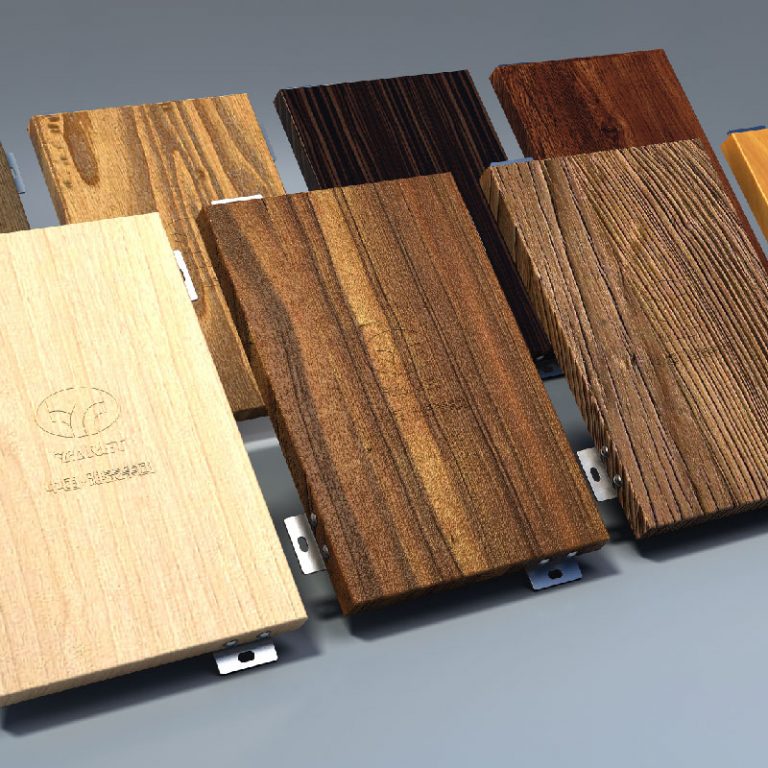
An Old Hand’s Take: Small Jobs, Big Lessons
A cold breeze, a quiet street, and a mid‑rise retrofit. I’ve stood on many scaffolds like that, clipboard in hand, watching crews learn fast. Aluminum Panel work can look easy from the sidewalk. But the truth? The details decide the whole job. On one school project, we tracked call‑backs over five winters. Panels set on a proper rainscreen had 37% fewer fixes than those held by “make‑do” clips—funny how that works, right?
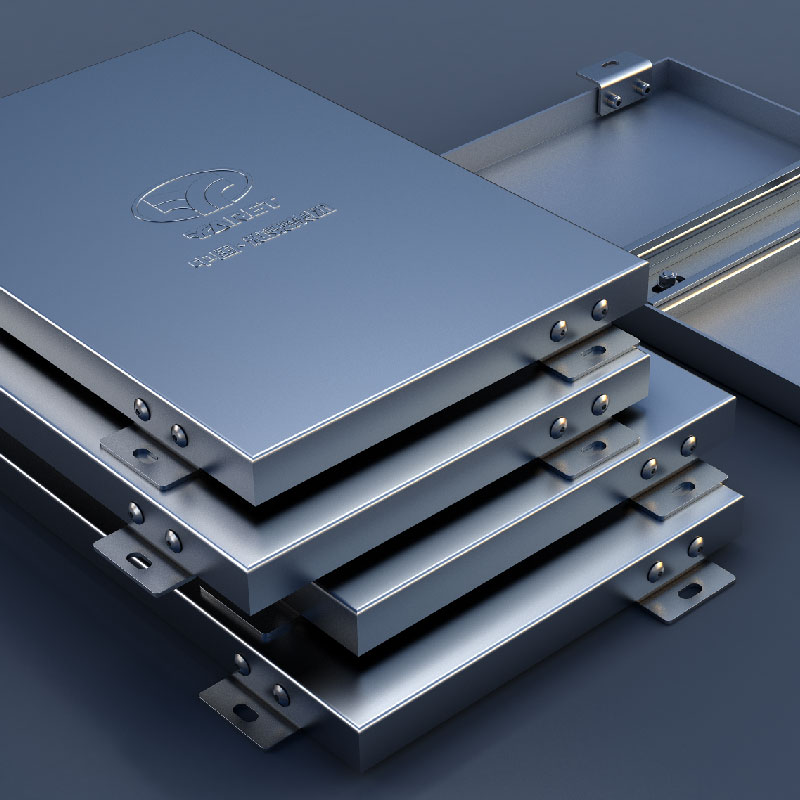
We face wind load, expansion, and water that sneaks in where you least expect it. The numbers matter, yet so do the small habits that keep a curtain wall dry. I’ve seen a cheap sealant save a day and cost a season. So here’s my question: if we know the pitfalls, why do they still show up on new builds? (Old habits, mostly.) Let’s walk through the real trade‑offs, and how a little foresight avoids big costs. On we go to the nuts and bolts.
Under the Skin: Where Legacy Fixes Fail
What’s the catch?
With aluminum architectural panels, many teams still lean on old tricks: thick sealant joints, heavier gauges, and dense backer plates. They feel safe. But they hide trouble. Large continuous beads turn into maintenance magnets. Heavy skins push “oil canning” into view. Rigid subframes become thermal bridges that bleed energy. Look, it’s simpler than you think: a panel wants to move. Lock it down too hard and you invite buckling or popped fasteners. Ease its path and you gain strength without the drama.

Legacy caulk‑first rainscreens also gamble with water paths. Capillary creep finds the smallest gap. When a system lacks pressure equalization, wind gusts drive moisture behind the cladding. Over time, galvanic corrosion can nibble at fixings. Then you see stains, then callbacks. It’s not just looks. Fire rating, drainage, and airflow work as a system—miss one and you strain the rest. The lesson from the field is steady: design for movement, stage the water, and keep the subframe warm enough to dodge condensation. Do that, and your punch list gets shorter—fast.
Side‑by‑Side: How New Systems Stack Up
What’s Next
Newer assemblies take a different tack. They use ventilated cavities, pressure‑equalized joints, and cassette panels that “float” on slotted clips. The principle is simple and solid: balance the air pressure behind the skin so wind can’t force water inward. Then let gravity and drainage do the rest. When you specify aluminum panels exterior with a real rainscreen, you spread loads, cut sealant reliance, and give thermal expansion a safe lane. Pair that with a PVDF coating or anodized finish, and you control gloss shift and chalking over time—fewer surprises at year ten.
Digital layout also helps. Field laser scans align panels to the millimeter. That means tighter joints and less shim fuss. In lab tests, you can see the gains: lower air leakage, cleaner water management, and more stable edges under cyclic wind load. The upshot from earlier sections holds, but we move forward now—away from patches and toward principles. Before you choose, weigh three metrics: water handling (pressure equalization and drain paths measured, not guessed); movement capacity (documented thermal expansion per meter, plus clip slip allowance); and life‑cycle cost (finish warranty, recoat cycle, and annual maintenance hours). Keep those three in view and the rest falls in place—funny how that works, right? For steady specs and fewer callbacks, that’s the path I’d hand down to a younger me, and to anyone eyeing their next facade: plan for motion, manage water, and prove the numbers. yaret
