
Field Wake-Up Call
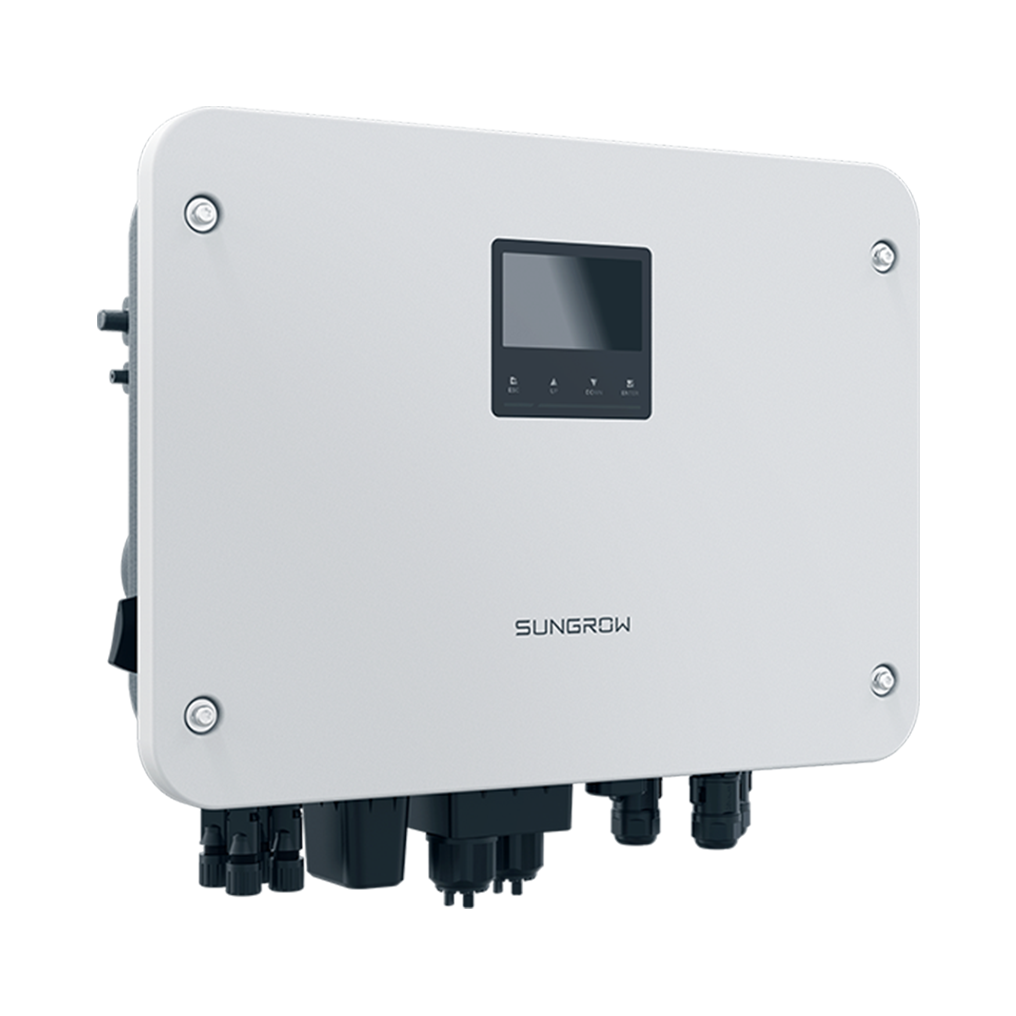
Last summer I stood in a suburban garage as a three-bedroom house lost its AC again during a late June heat spike—while a 10 kWh pack hung unused on the wall. That home battery looked modern on paper but didn’t deliver when the grid needed it most. Early on I started recommending a battery storage system for home that pairs a smart inverter with correct sizing and controls (simple, yes, but often skipped). Scenario: rooftop solar was producing 6 kW midday; data: the system had 10 kWh nominal and only ~8 kWh usable due to depth of discharge settings—so why did the homeowner still face a $120 monthly peak charge?
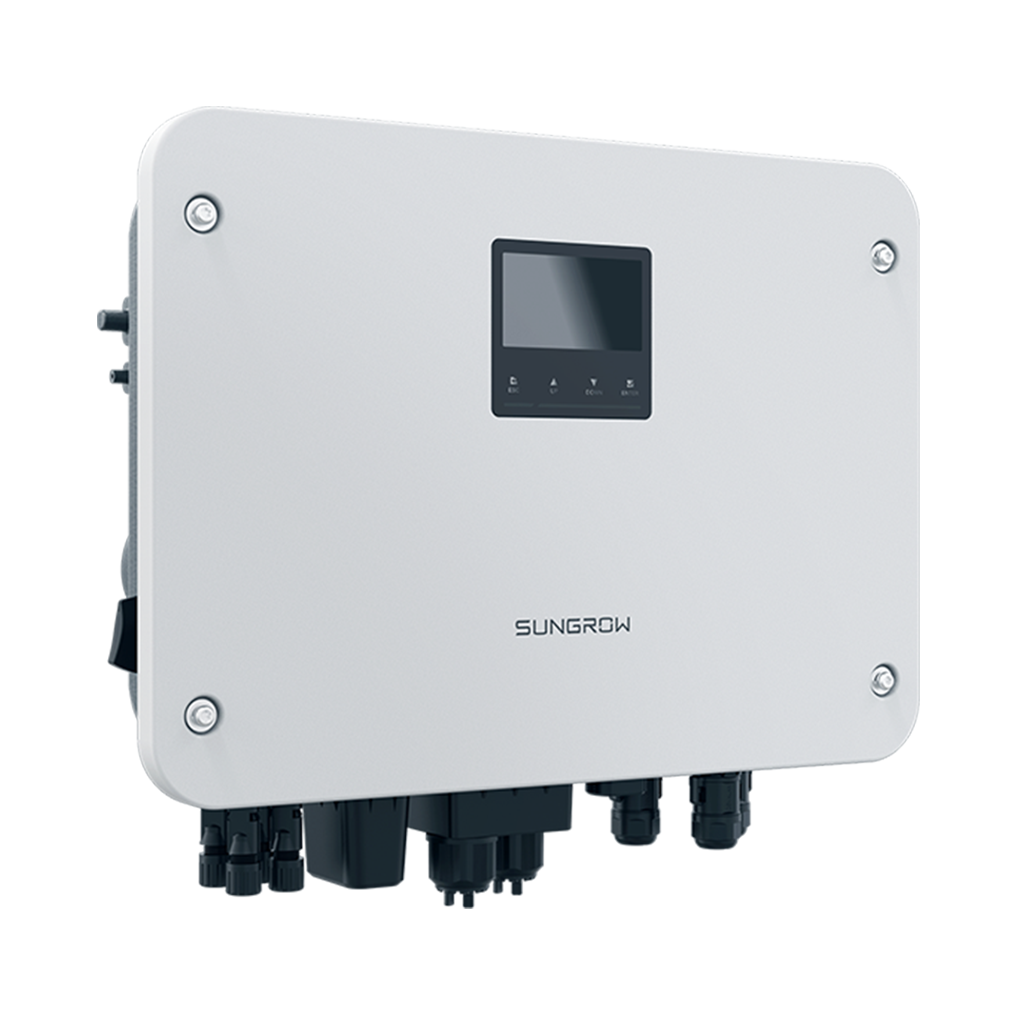
I’ve seen this pattern enough to spot the mismatch fast. I vividly recall installing a 10 kWh LG Chem RESU in Austin, TX in June 2021 and tuning the inverter settings; we lowered the morning grid draw by 2.3 kW and cut the first month’s demand charge by about $110. That tangible outcome taught me two things: sizing and control logic matter more than brand hype, and cycle life or kWh rating alone hide real user pain (backup power and peak shaving behavior are the real tests). Let’s unpack where standard fixes often fail—and why.
Why Typical Fixes Miss the Point
I’ve spent over 15 years buying, installing, and troubleshooting residential systems, and most installers focus narrowly on battery capacity and cost per kWh. I don’t blame them; it’s visible and easy to compare. But capacity without the right inverter mapping, state-of-charge floor, and dispatch strategy creates a system that sits on standby while the meter spins. In technical terms: you can have 10 kWh nominal, great cycle life on paper, and still lose the peak-shaving battle if the system’s depth of discharge (DoD) limits or inverter response are misconfigured.

Moving from Patchwork to Strategy
Now I break things down. A reliable battery storage strategy needs three coordinated layers: usable energy (usable kWh after DoD), power delivery (inverter continuous and burst kW), and control logic (dispatch algorithm tied to TOU or demand signals). When I design a solution I specify usable capacity, the inverter type (grid-tied vs. hybrid), and the expected cycle profile. For example, a 10 kWh unit with 80% usable kWh and an inverter capable of 5 kW continuous output meets different needs than one with 3 kW peak—so the choice alters real-world outcomes, not just spec sheet bragging.
What’s Next?
Practically, we should move from isolated spec checks to scenario modeling: simulate a week of weather, load, and TOU rates, then tune dispatch. I tested this in Phoenix last December—modeled peak shaving reduced demand by 30% across three critical days. Yes, it surprised the homeowner. But here’s the catch—installation quality and accurate telemetry matter. (Don’t skimp on communications modules or the right AC-coupling hardware.)
Three Metrics I Use When I Buy or Recommend
I’ll finish with three hard metrics I insist on: 1) usable kWh at your chosen DoD (not nominal kWh), 2) continuous and surge kW rating of the inverter relative to the household peak, and 3) round-trip efficiency plus cycle life estimate tied to your expected daily cycles. I track each when I compare systems; these give measurable trade-offs and predict savings. Evaluate those, and you move beyond marketing claims to real performance—backup power that actually lasts, predictable peak shaving, and clearer ROI.
My field experience shows the difference between a shelved battery and a functioning energy asset—small config changes, big impact. If you want a practical system that behaves, start there, and take the next step with a tested partner like sungrow.
