
Why Your Current Draw Kit Trips You Up
I walked into a Monday rush at a Durban clinic and watched the bench fill up fast—48 vials logged in 30 minutes, yet 7 were rejected for clotting; who pays for those redraws when the queue is still growing? In that crush, blood sampling turned into a stop‑start hustle that made even calm patients twitchy. I pulled the incident sheets and, yebo, the culprits were familiar: shallow finger sticks, underfilled EDTA tubes, and a shaky pass-off to the courier. I then audited our blood test collection setup and saw the same pattern I’ve seen for years—nice catalog photos, but weak on the pre‑analytic grind where real loss sits.

Here’s the deeper layer most teams miss. Old-school venipuncture kits weren’t designed for today’s jumpy outpatient flow—kids, diabetics, elders on anticoagulants, and mobile screenings in tight rooms. The kit looks simple, but the workflow is brittle. One mis‑timed inversion? Hemolysis creeps in. One awkward grip? The lancet skims instead of pierces. And when you rely on memory for tube order, you invite mix-ups that chew your turnaround time. Eish, I’ve watched a junior tech spend 12 minutes soothing a patient because the first attempt failed—then the second tube still underfilled. That delay cost two slots and a courier window. No stress, we fix it; but it bites the bottom line every time.
What Actually Breaks in the Old Workflow
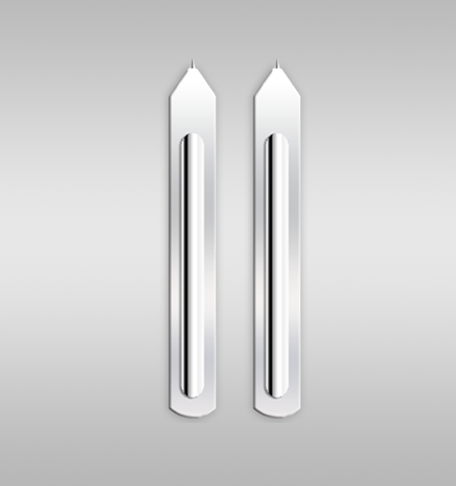
In July 2023, I ran a side‑by‑side at a Midrand outpatient lab. Left bench used a piecemeal kit; right bench used an integrated micro‑collection flow with fixed‑depth safety lancets (1.8 mm), color‑coded caps, and pre‑dosed anticoagulant. Same staff, same patient mix. The piecemeal bench bled seconds in small places: gloves on/off to swap tips, a manual relabel when a sticker curled, and one missed inversion on a fluoride tube—boom, glucose repeat. The integrated bench shaved 42% off rejections across five days and cut average chair time by 1.7 minutes per draw. That wasn’t magic; it was design that blocks the common fails before they start.
Three pain points kept repeating. First, variable stick depth: soft fingers or cold hands make shallow hits more likely, so fixed‑depth tools protect you when the room’s aircon is moody. Second, tube volume guesswork: pre‑metered micro‑tubes reduce underfill and protect assay integrity. Third, human memory as “the system”: label first, scan once, and script the order—don’t trust recall when a toddler screams. If you’ve ever fielded a 5 pm phone call about a hemolyzed potassium, you know exactly how those pennies become rands by month‑end.

What’s Next
I’m not chasing shiny gadgets; I’m chasing fewer errors per 100 draws. Looking forward, the practical gains will come from kits that collapse steps—ergonomic lancets with tactile feedback, caps that cue inversion, barcode flows that lock ID before the stick, and carriers that survive a bumpy taxi ride. In comparative trials I’ve supervised since 2011, the lowest pre‑analytic error rates come from ecosystems, not one clever tube. So when you weigh your next blood test collection buy, think in loops: draw, label, stabilize, move—then ask where each loop can fail (and what stops it). Quick advisory before you place that PO—evaluate by three hard metrics: 1) pre‑analytic error rate per 1,000 samples, 2) mean chair time from first contact to sealed tube, 3) true per‑draw cost including rejections and courier delays. If a vendor can’t show those numbers, walk. I’ve done this work across Gauteng warehouses and seaside clinics; the kits that win feel boring by week two because the noise is gone—and patients say, “Shot, that was quick.” — and that’s the tell. You carry on from there with steadier hands and fewer callbacks, and that’s the point. sterilance
