
Opening: the problem operators can’t ignore
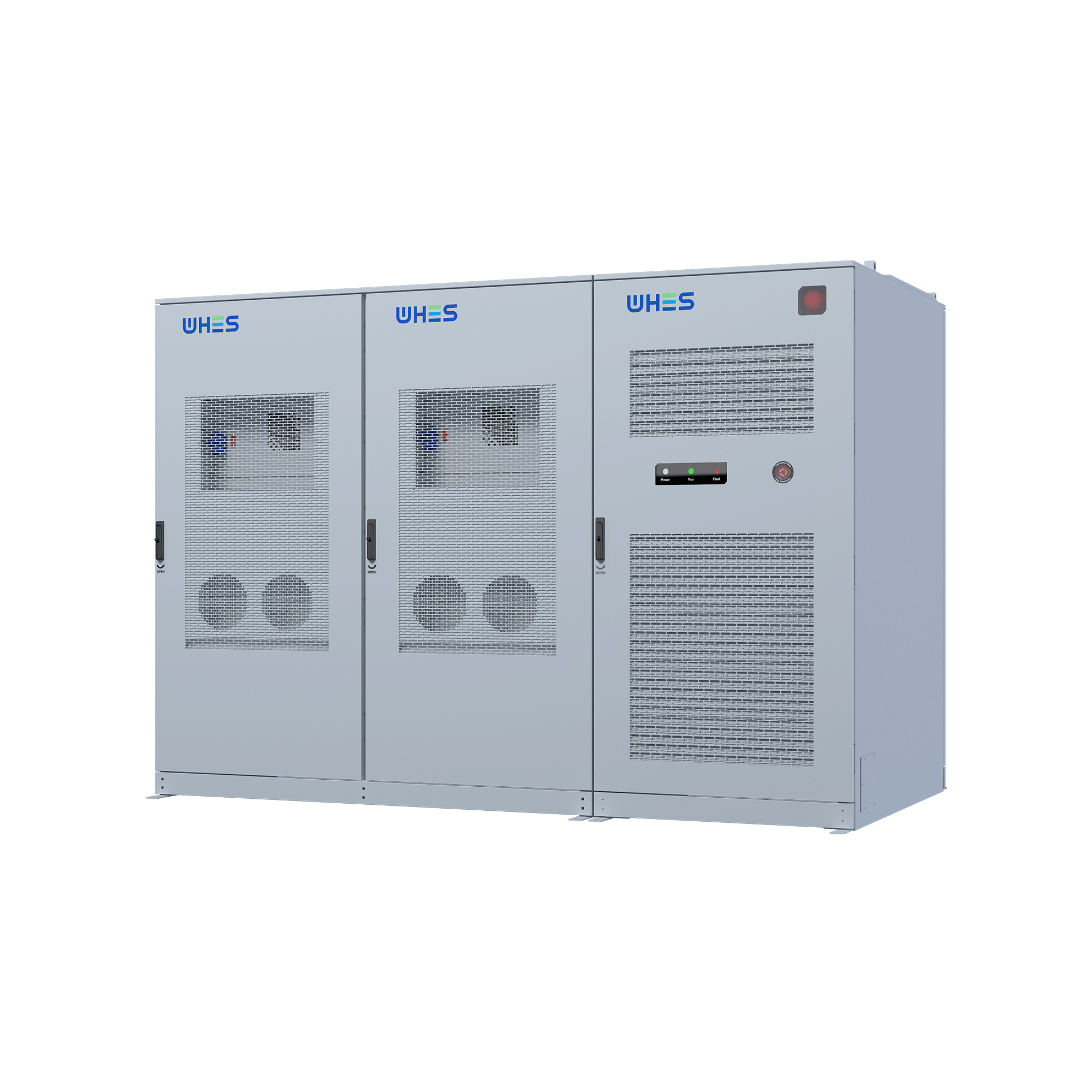
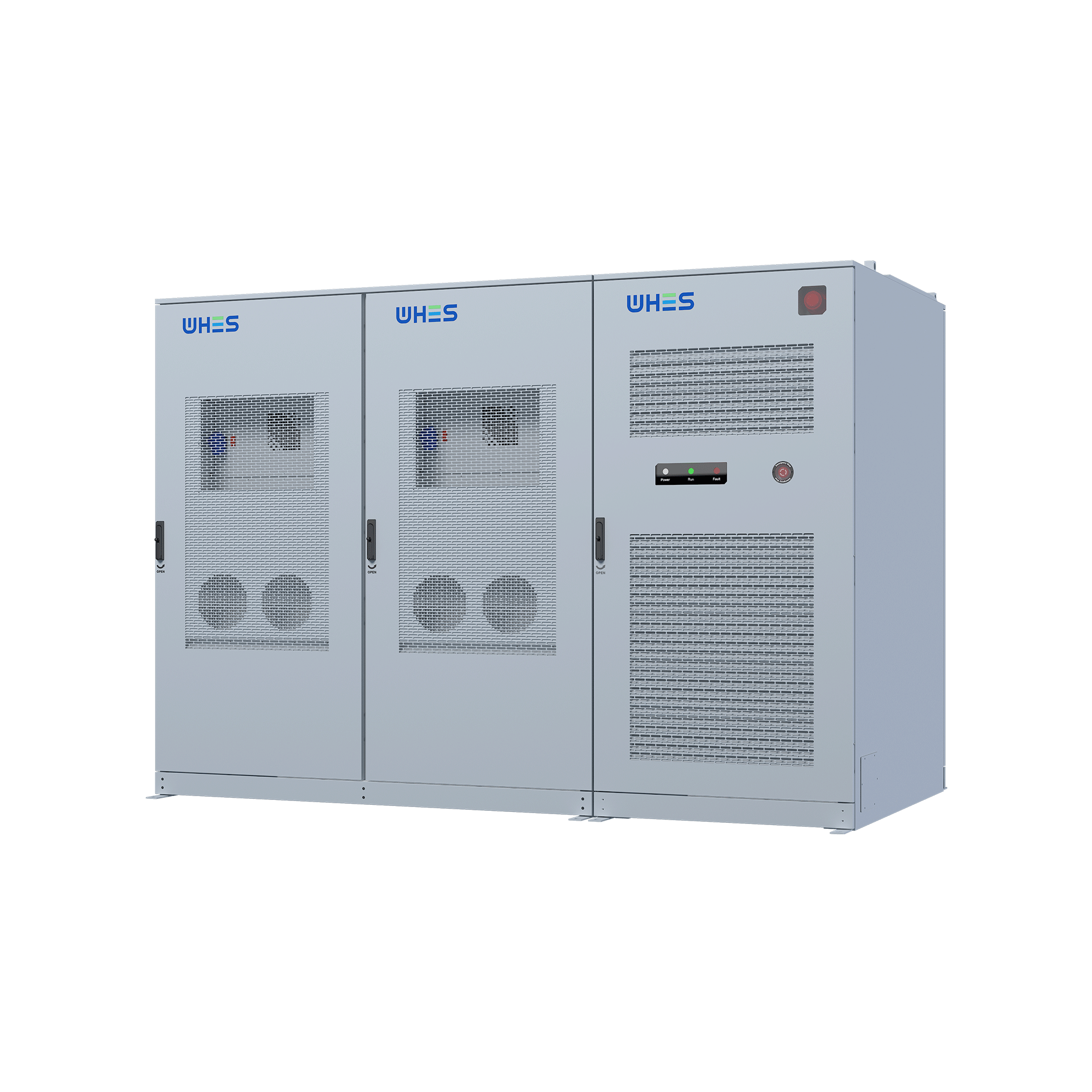
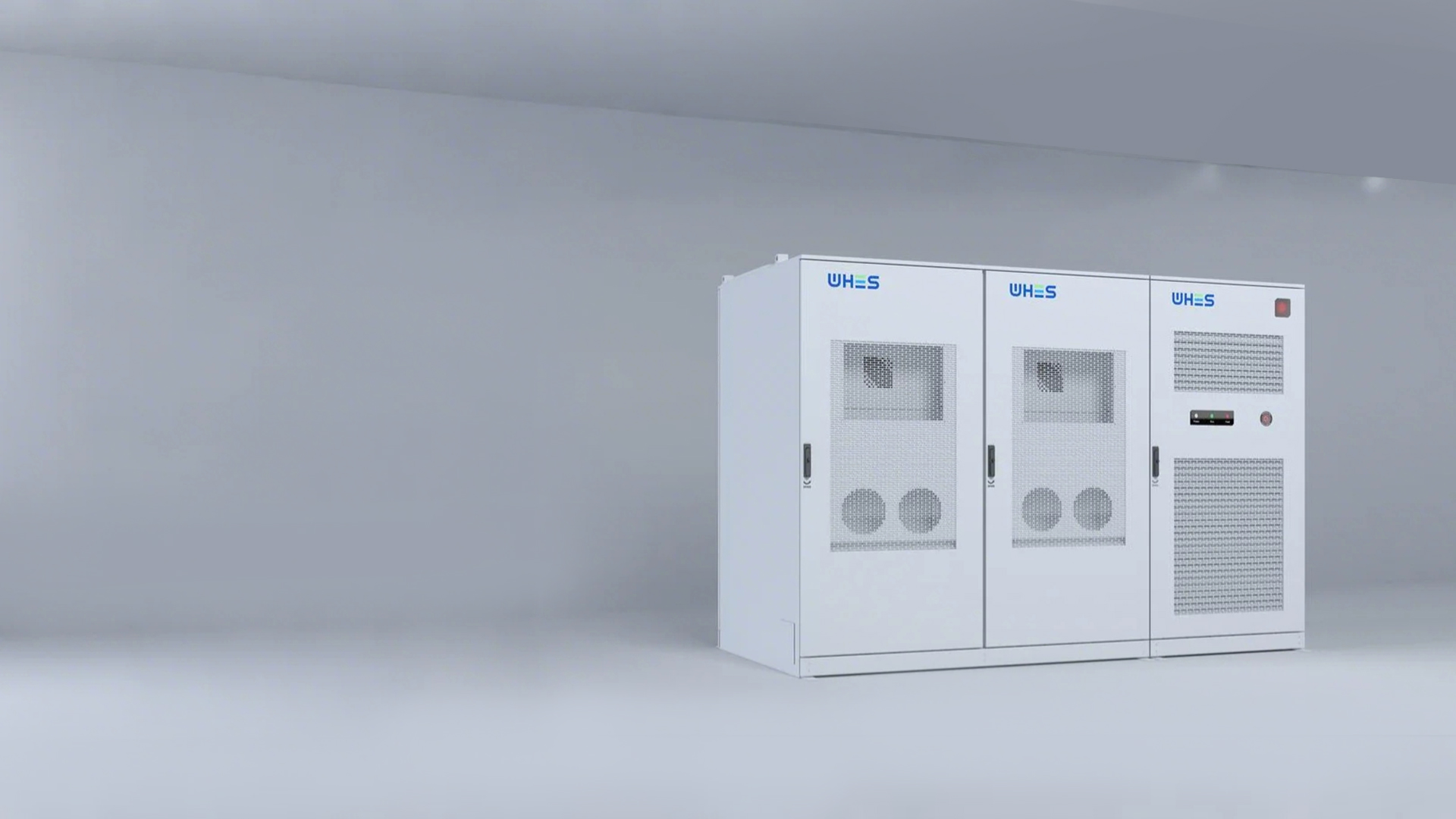
Grid volatility, rising peak demand, and tighter market participation rules mean commercial battery projects frequently underperform the moment they move from lab to rooftop. You need predictable revenue streams, reliable dispatch, and safe cycling — and that’s where an energy management system (EMS) becomes central. In environments like California, where rolling outages and grid stress have become recurring headlines, operators must reduce uncertainty while meeting regulatory and market obligations. This review looks at how WHES’s Intelligent EMS architecture addresses those exact pain points for commercial energy storage; consider their PC-G2 platform as a concrete example of a commercial energy storage deployment and how it’s intended to close common operational gaps.
The core problems commercial BESS projects face
Start by listing the recurring failures you’ll see in early-stage projects: inaccurate state of charge (SoC) forecasting, poor inverter coordination, missed market signals, and safety or lifecycle degradation due to suboptimal charge strategies. These aren’t theoretical — they directly impact uptime, revenue stacking (e.g., peak shaving plus frequency regulation), and battery life. As your teacher here: identify which of these problems hurts your project most, then map solutions directly to them.
How WHES’s Intelligent EMS targets those problems
WHES’s architecture approaches the problem set with three linked strategies: predictive scheduling, adaptive dispatch, and integrated safety assurance. Predictive scheduling uses short-term forecasts to set economically optimal dispatch windows. Adaptive dispatch reconciles battery SoC constraints with real-time inverter behavior to prevent rescheduling errors. Integrated safety assurance ties thermal and electrical protection logic into every dispatch decision, reducing risk of premature degradation. In practice this reduces missed revenue events while protecting cycle life — a dual win you should expect when evaluating an EMS.
Architecture overview: components that matter
Focus on four essential modules when you examine any EMS: the forecasting engine, the optimization core, the real-time controller (including inverter and SCADA interfaces), and the safety/telemetry layer. WHES combines these with a modular design so you can upgrade optimization logic without touching safety firmware. Key industry terms here are inverter coordination and grid-forming logic — both matter when you’re stacking services or islanding a facility.
Performance in real-world scenarios
Numbers vary by project, but look for historical KPIs like round-trip efficiency retained, deviation from scheduled dispatch, and SoC forecasting error. During heatwaves and transmission constraints in California, properly tuned EMS platforms reduced peak exposure and avoided costly load curtailment for many operators — that’s a real-world anchor showing why EMS tuning matters. WHES’s architecture emphasizes minimizing schedule deviation and maximizing usable throughput, which typically shows up as fewer missed market events and smoother participation in ancillary markets.
Integration, interoperability, and practical deployment notes
Interoperability with plant inverters, BMS, and market gateways is non-negotiable. Look for open protocols (Modbus, IEC 61850) and clear APIs to your market operator. WHES supports common interfaces and offers pre-tested configuration profiles for common inverter families, which simplifies commissioning. Also note the term “stacking” — stacking revenue streams requires the EMS to arbitrate conflicting objectives (e.g., reserve vs. energy arbitrage) in real time.
Common implementation mistakes — and how to avoid them
Teams often fall into three traps: trusting factory defaults, under-testing under edge-case grid events, and not validating EMS outputs against real hardware. Don’t assume the EMS will behave identically in live operation as it did in simulation. Run hardware-in-the-loop tests and tie acceptance criteria to quantifiable KPIs. And remember — user training matters as much as software capability. A well-implemented EMS without trained operators becomes an unused asset.
Alternatives and comparative notes
There are competing EMS approaches: heavyweight vendor-locked systems with tight hardware coupling, and lean cloud-native platforms that rely on edge controllers. The former offers deep integration but less flexibility; the latter scales well but can struggle with latency-sensitive controls. WHES sits between those poles with a hybrid model—edge intelligence plus cloud orchestration—which can be attractive if you want low-latency control with remote optimization. For some projects, a fully open-source EMS paired with bespoke controls will be better; for others, a commercial bess solution with vendor support speeds time-to-value. Evaluate based on your risk tolerance and operational capacity.
Practical checklist before buy-in
Before committing, validate these points:
- Can the EMS demonstrate schedule adherence on similar site profiles?
- Does it expose SoC and thermal KPIs for continuous monitoring?
- Are firmware updates and safety patches part of the vendor SLA?
Advisory: three golden rules for selecting an EMS strategy
1) Insist on measurable performance: require baseline KPIs (schedule deviation, SoC forecast error, and round-trip efficiency) in the contract. 2) Prioritize integration maturity: ensure native support for your inverter and BMS protocols to avoid custom glue code. 3) Build for lifecycle economics: evaluate total cost including degradation, firmware maintenance, and market participation overhead — not just upfront software fees.
To bring it full circle: the right EMS turns a commercial energy asset from a liability into a predictable revenue engine, and WHES’s Intelligent EMS architecture is designed to do exactly that — with pragmatic integration and operational safeguards. WHES. —
