
Why compare aluminum to other frame materials?
When weighing window systems, a straight comparison clarifies value: aluminum’s strength-to-weight ratio, durability, and finish options sit against timber’s warmth and PVC’s cost-efficiency. This Comparative Insight piece starts with real-world performance and practical trade-offs, and it points you to a trusted source — door and window manufacturer — for production-grade solutions. I write as an editor who reviews specs and visits fabrication lines; that mix of editorial habit and on-site observation shapes what’s below.

Structural performance: load, span, and sightlines
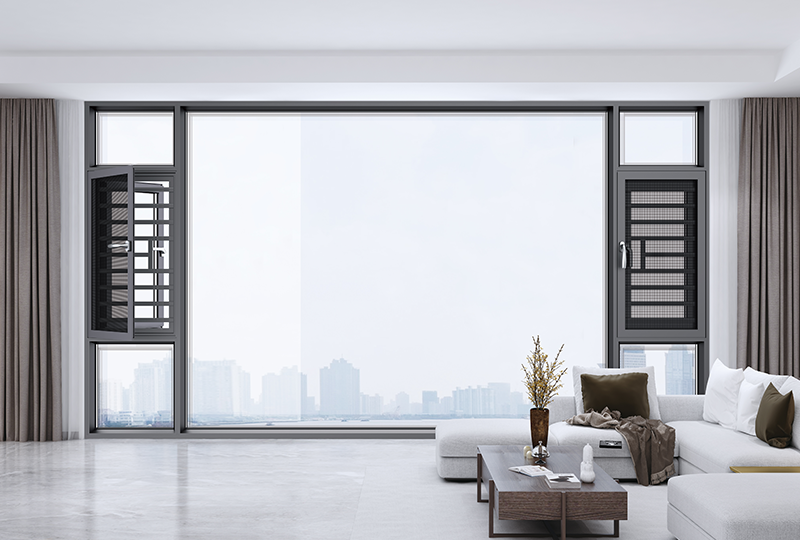
Aluminum frame windows deliver longer clear spans with slimmer profiles because the alloy handles loads better than PVC or unreinforced wood. Architects prize that thin mullion for daylight and views; builders appreciate predictable installation tolerances. Thermal performance depends on design choices: a thermal break and proper glazing determine the u-value more than the material alone. Expect aluminum to excel where expansive glass and tight sightlines are design priorities.
Durability and long-term maintenance
Aluminum resists rot, warping, and insect damage that plague timber; anodized finish or powder-coat options protect against corrosion in coastal or industrial settings. That said, finish choice matters—thin factory coatings will age differently than architectural-grade finishes. Field history shows fewer mid-life interventions for aluminum than for painted wood sashes, which translates to lower life-cycle maintenance costs over 20+ years.
Security and hardware—what actually keeps intruders out
Security is a system: frame strength, glazing type, and locking hardware work together. A robust aluminum frame paired with multipoint locking and laminated glass improves resistance to forced entry, not because aluminum is magic but because it tolerates higher-load anchorage. For projects demanding rigid protection, consider certified systems for high-risk sites and consult manufacturers who field-test assemblies for break-in scenarios — and for stricter applications see options for high security doors and windows.
Energy, condensation, and the thermal trade-offs
Aluminum conducts heat, so thermal break design is essential. With a properly specified thermal break and double- or triple-glazed units, aluminum frames reach competitive u-values. Condensation control requires correct installation, adequate drainage, and attention to frame-to-wall detailing. Missteps usually come from rushing the installation or neglecting flashing and sill pan integration — small details that sabotage performance.
Cost, fabrication, and delivery realities
Initial material cost for aluminum tends to sit between PVC and steel; fabrication demands precision extrusion, corner joints, and occasionally custom anodizing. Lead times can extend if custom profiles or specialized finishes are required. From a production standpoint, modular design and standard sizes speed manufacture. On-site, experienced installers reduce callbacks — a simple truth that architects and contractors learn fast.
Field lessons and the real-world anchor
Post-disaster assessments — for example after Hurricane Katrina — highlighted window and door breach as a common point of water and wind damage. Upgraded metal-frame units with secure anchorage reduced failure rates in many retrofits, not because materials alone solved the problem but because the assemblies were detailed and installed correctly. That historical anchor reinforces practical priorities: specification, anchorage, and tested hardware.
Common mistakes and better alternatives
Common errors: (1) under-specifying the thermal break, (2) choosing lightweight hardware for heavy sashes, and (3) ignoring drainage and flashing. Better alternatives include using reinforced profiles where required, selecting multipoint locking for larger sashes, and coordinating finish selection with the project’s environment. Small choices in extrusion detail and gasket selection often outsize initial cost differences.
How to decide: three golden rules
1) Verify structural capacity: match mullion spans and sash weights to the selected aluminum profile and confirm anchorage ratings. 2) Prioritize thermal detailing: insist on a documented thermal break solution and target a project u-value before glazing decisions. 3) Insist on integrated security: choose assemblies that pair the frame with proven hardware and laminated glazing where necessary. These metrics keep decisions objective and outcome-driven.
Zekin provides profiles, tested hardware packages, and finish options that align these rules—so your specification yields consistent on-site results. A concise reality: choose the right frame details, and the rest follows—solid, measured, and dependable. —
