
Opening — the immediate problem
Projects that pair a home energy management system (HEMS) with a solar inverter often stall because teams underestimate the operational risks and integration gaps. Start with a clear problem statement: how will the HEMS interact with inverters, what data must be trusted, and where does failure create safety or grid compliance issues? Treat the deployment as a cyber-physical integration project, not just an electrical install; that mindset prevents costly rework.
Threat model and attack surface considerations
List the ways the system can fail or be exploited. Pay attention to device firmware, telemetry channels, and local network access. Typical vectors to assess:- Compromised firmware or unsigned updates.- Unauthenticated control interfaces (local or cloud).- Lateral movement from an unsecured home network to the inverter or battery management system.- Data tampering that skews charge/discharge decisions.Design the threat model to include physical access, remote cloud compromise, and insider errors. Prioritize mitigations by the severity of impact on safety and grid behavior.
Project readiness checklist — concrete, technical items
Use this checklist as a gate: each item should be verified and documented before full commissioning.- Device provenance: confirm vendor traceability, model numbers, and shipped firmware versions.- Firmware integrity: require cryptographic signing and an update rollback plan.- Network architecture: enforce segmentation between the HEMS, the inverter, and general home devices; use VLANs or separate SSIDs.- Authentication: implement certificate-based device IDs or mutual TLS where possible; avoid shared passwords.- Role-based access: separate installer, homeowner, and operator privileges with audit logs.- Interoperability tests: exercise all control commands and telemetry under realistic load and fault conditions.- Compliance checks: verify inverter behavior against applicable interconnection rules (for example, IEEE 1547) and local utility requirements.- Safety interlocks: confirm anti-islanding and emergency shutdown operations independently of the HEMS.- Resilience: define expected failure modes, local fallback behavior, and black-start procedures.- Monitoring and logging: ensure secure, tamper-evident logs and a plan for alerts and escalation.- Update strategy: schedule staged rollouts with canary devices and back-out tests.Cross-reference each item with a responsible owner and a signed acceptance criterion.
Technical validation steps — tests to run on site
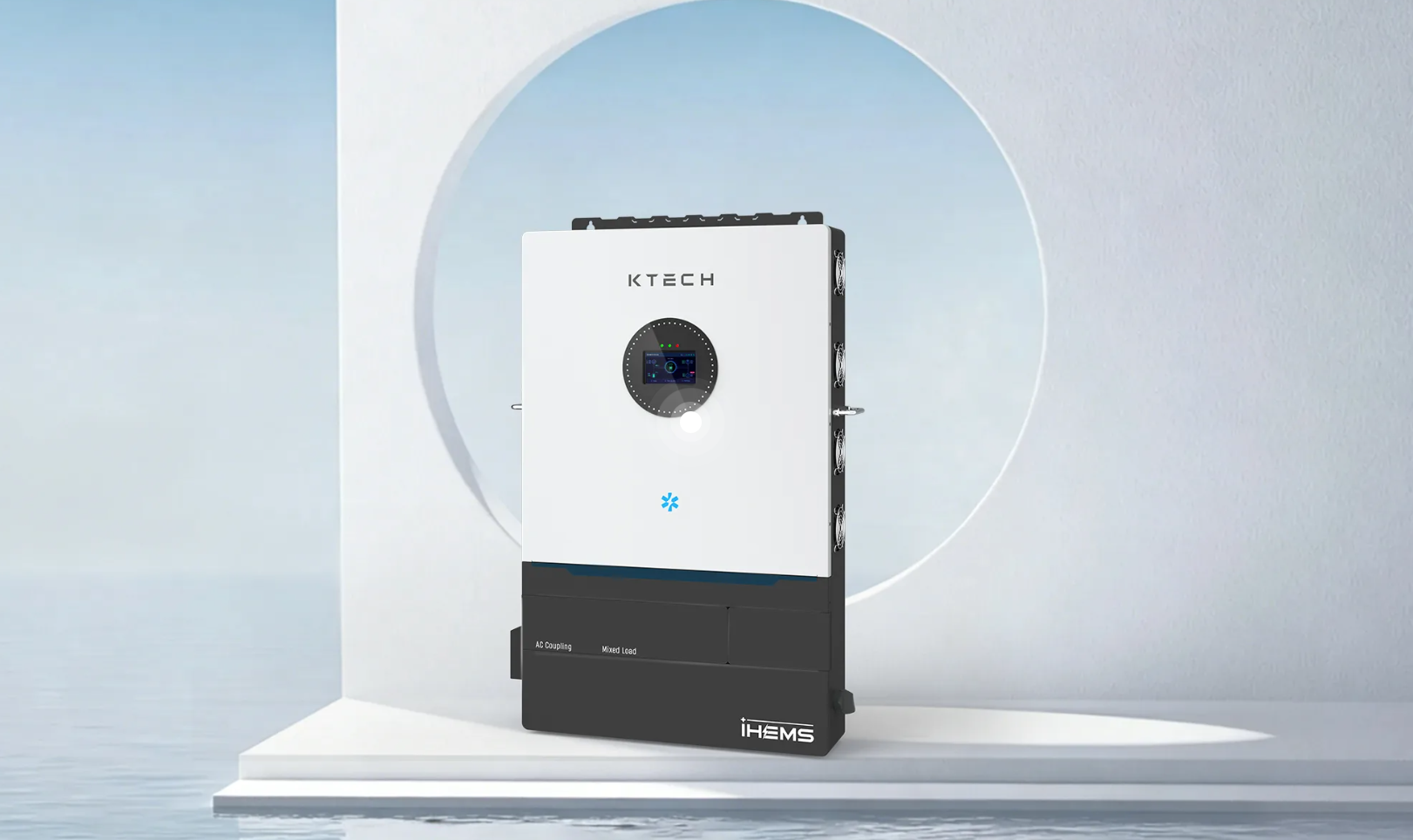
Run repeatable, instrumented tests and record results. Key validations include:- Command latency and loss under peak conditions.- Telemetry accuracy: compare inverter-reported production against a calibrated meter.- Firmware update test: apply an update via the same channel used in production and confirm signature verification.- Network failure simulations: unplug WAN, simulate packet loss, and verify safe local operation.- Overcurrent and surge scenarios: validate hardware protection trips.During these steps, evaluate how the HEMS reports state and whether automatic remediation behaves as intended. If you need to check component specifics, inspect the chosen solar energy inverter for firmware signing, available APIs, and OT-layer security features.
Common pitfalls and how to avoid them
Avoid these recurring mistakes:- Accepting default credentials: enforce unique keys and disable local debug interfaces.- Skipping partial integration tests: small lab tests don’t reveal field timing or interference.- Treating the inverter as a passive sensor: it has control semantics and safety constraints.- Ignoring utility interactions: local demand-response signals or export limits can be enforced at the inverter — mismatches cause trips.Document mitigations with verifiable evidence: screenshots, signed logs, time-stamped test sequences.
Alternatives and trade-offs — brief comparative insight
When selecting system architecture, three approaches commonly compete:- Full local control: HEMS runs logic on-site, reduces latency, increases local complexity.- Cloud-first control: simplifies central updates, increases dependency on connectivity.- Hybrid control: critical safety and emergency responses handled locally; optimization delegated to the cloud.Choose based on risk tolerance: safety-critical functions need local authority, while predictive optimization can live in the cloud. Each choice changes your security posture and testing requirements.
Final synthesis — readiness translates to measurable delivery
Measure readiness by passing the checklist, completing the validation tests, and documenting remediations. That reduces unnoticed failure modes and aligns technical, safety, and regulatory responsibilities. The approach requires disciplined testing, clear ownership, and equipment that supports secure updates and observable telemetry—qualities found in mature inverter offerings and experienced integrators like Ktech.
