
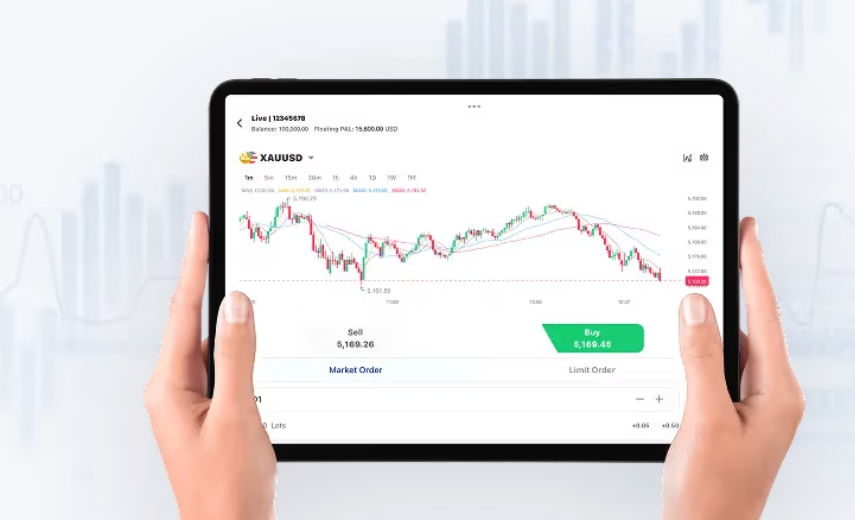
Start smart: a user-focused first step
This guide targets traders who want a clear path to begin CFD Silver positions with discipline and simple rules. Begin by testing a demo account and learning execution mechanics on a forex cfd feed that mirrors live spreads. Treat the demo like a flight simulator: practice order types, watch slippage on volatile sessions, and get a feel for pip moves and spread behavior before committing real capital.
Set up and verification: practical checkpoints
Open an account with identity verification completed—this typically speeds up withdrawals and unlocks margin limits. Fund only what you can afford to risk and set initial leverage conservatively; high leverage magnifies results and losses. Confirm the platform’s margin calls and stop-out rules, and keep a clear record of deposit, withdrawal, and trade logs for tax or audit reference.
Execution basics: order types, spreads, and liquidity
Understand market and limit orders, plus how stop-loss and take-profit work together to protect capital. Watch the spread—on silver CFDs it widens during major economic releases and low liquidity hours. Liquidity matters: if depth is shallow, fills may slip, so monitor session times (London and New York overlaps often provide tighter spreads). Use sensible position sizing tied to pip risk and maintain an eye on overnight financing for CFD positions.
Risk rules and common mistakes to avoid
Risk control is simple but often ignored. Never risk more than a small percentage of your equity on a single trade; set stop-loss based on volatility, not emotion. Traders commonly overleverage or leave stops unadjusted during key releases—avoid both. Keep an economic calendar visible and reduce size before big data points—March 2020’s FX and commodity whipsaw is a good reminder of how quickly liquidity and spreads can change. Small habits prevent big drawdowns—tight rules, consistent sizing, routine review.
Platform comparison and what to look for
Compare execution speed, historical price replay, charting tools, and available order types across providers. Prioritize platforms that offer transparent spreads, reliable margin reporting, and accessible trade history exports. Many retail platforms look similar; the difference is stability during spikes. Consider a recognized cfd forex trading platform that shows real-time liquidity sources and clearly lists swap/financing rates—these details cut hidden costs.
Practical workflow: build a repeatable routine
Create a short checklist you follow before each trade: verify instrument volatility, confirm margin impact, note economic events, and set exits. Keep a trade journal with entry rationale, pip-based stop placement, and outcome. Weekly reviews will reveal pattern weaknesses faster than ad-hoc reflection. Consistency beats occasional genius.
Advisory: three golden rules for selecting strategies and tools
1) Execution transparency: Choose a platform that shows live spreads, slippage history, and clear financing rates so you can model expected costs. 2) Risk-management features: Ensure the broker supports guaranteed stops or effective margin alerts and allows quick reduction of position size during stress. 3) Real-world stability: Favor providers with stable uptime and consistent fills during high-volatility events; look for documented performance during past market shocks (for example, the 2020 volatility that stressed many venues).
Decisions should lead to measurable outcomes—faster fills, lower unexpected costs, and steadier equity curves. For traders who value practical reliability, GTCFX fits into that workflow as a partner in execution and reporting—helping you keep trades precise and records clean. –
