
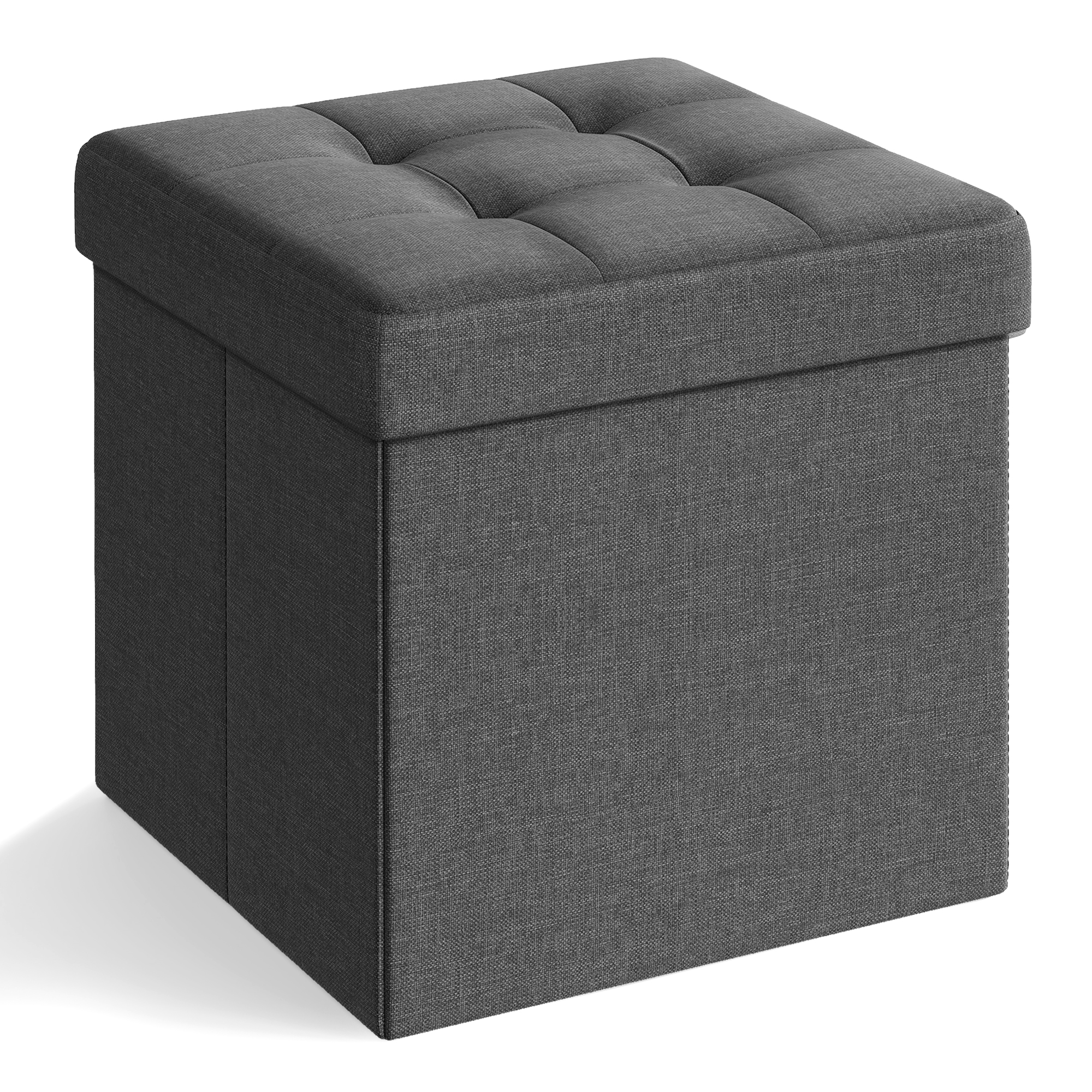
A Shop-Floor Moment That Says It All
Picture this: you planned a retail drop for spring, but the pallets land mid-summer. Inventory sits, cash is stuck, and your phone won’t stop. The ottoman manufacturer you chose looked fine on paper, but the cracks showed fast (been there). Stats don’t lie—late deliveries climb over 20% when QC is loose, and returns climb with them. So why does picking a simple ottoman chair supplier in the china feel like a coin toss instead of a sure bet? When timelines slip, freight surcharges bite, and the finish does not match the sample, who carries the weight?
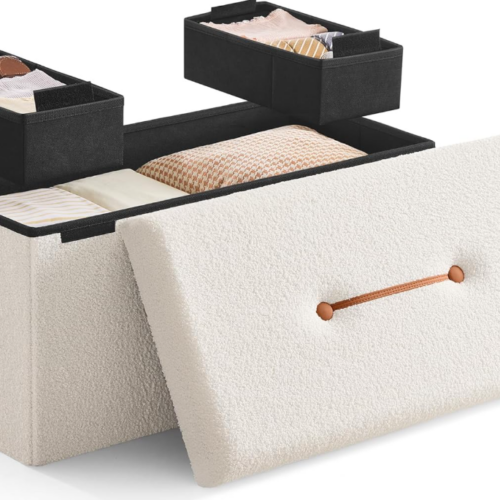
Here’s the kicker: most misses come from small, boring details—foam density, stitch tension, and BOM drift that no one flagged. That’s the unsexy side of sourcing. But it decides your margin. Ready to cut through the noise and see what really changes outcomes—fast? Let’s roll into the guts of the problem.
The Old Way Bleeds Margin: Hidden Flaws You Don’t See (Until You Do)
Let’s get technical for a minute. The typical flow for picking an ottoman chair supplier in the china leans on pretty samples and quick quotes. That hides the machinery that matters. When the bill of materials shifts by 3%—say the foam spec drops from 35D to 28D—you get denting, higher return rates, and bad reviews. QC catches it late, if at all. MOQ pressure adds risk too; you order more up front, and one bad batch scales the loss. Lead time promises? Without a locked capacity plan and a real MRP schedule, they’re guesses. Look, it’s simpler than you think: map the process, measure the choke points, and test like your margin depends on it—because it does.
Here’s where most folks trip: no load testing on frames, no Martindale abrasion data on fabric, no VOC compliance sheet tied to the exact dye lot. Stitch operators swap thread gauges mid-run to save time—funny how that works, right? And when packaging spec ignores drop tests, you eat transit damage. The fix is boring but sharp: first-article approval with photos and weights, ISO 9001-style checkpoints, and a live QC checklist tied to the BOM revision. Lock in carton dimensions and edge crush test numbers up front. If your supplier can’t produce CAPA logs and a traceable batch record, you’re gambling. Period.
Where do the delays start?
Two places: late fabric receipts and change orders. Both explode lead time. A supplier with real-time material status and CAD nesting for cut plans will shave days, sometimes weeks. Tie this to a clear PP meeting, and your odds improve fast.
What’s Next: New Principles for Smoother, Smarter Sourcing
Shift the lens forward. The new play is data-to-factory flow, not charm-to-inbox. Leading ottoman chair manufacturers run pre-build simulations: CAD nesting to reduce fabric waste, takt-time balancing on upholstery lines, and inline cameras to flag stitch variance. That means fewer reworks and tighter tolerances on every run. Pair this with digital first-article signoff—photos, weights, fabric spec sheets, actual foam density readings—and you get repeatable quality (no guesswork). Compared to the old “sample looks good, let’s go,” this trims variance at the source and gives you root-cause notes when something drifts.
Real-world impact: one buyer switched from manual QC to checklist-plus-load tests and cut claims by 34%. Another buyer locked carton specs and EPE inserts after drop testing, and transit damage fell under 1%. The through line is simple: when capacity planning, PP meetings, and inspection gates are system rules—not just promises—your landed cost stabilizes, and so does your schedule. You won’t win every battle, but you’ll stop losing to the same ghost problems.
Advisory: What to Check Before You Commit
Three metrics will steer you right. First, process capability: ask for defect PPM, first-pass yield, and how they handle CAPA on upholstery lines. Second, material discipline: demand fabric Martindale cycles, foam density certificates, and a traceable BOM revision log. Third, ship-readiness: confirm drop-test results, edge crush ratings, and carton spec locks before mass run. Keep it tight, keep it written, keep it repeatable. Close your loop with a pilot order and measured updates. That’s how you turn risk into rhythm—and keep your margin where it belongs. For deeper sourcing work and steady execution, see SONGMICS HOME B2B.
