
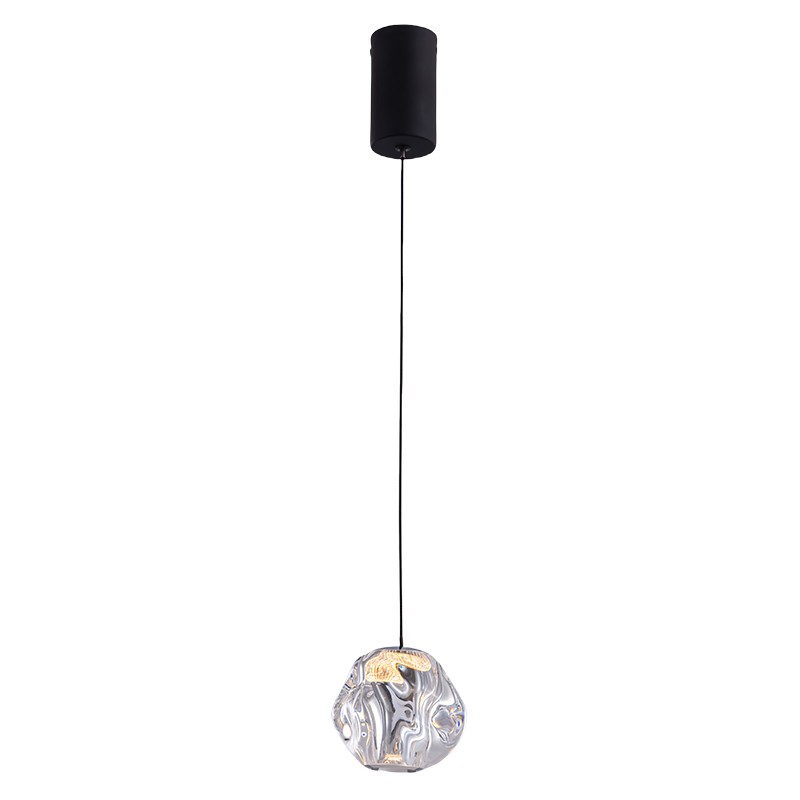
Introduction: A Night Out, a Small Detail, a Big Choice
You walk into a busy bistro, the music is low, and the tables glow like islands. A trusted pendant light company helped that feeling happen. Forty minutes later, you remember the food, but you remember the light even more; studies often show lighting can shift dwell time and check size by noticeable margins. So, what decides if guests lean in and talk—or squint and leave? (It’s not only the shade shape.) Here’s the twist: small specs add up. CRI affects color on the plate, lumen output sets mood, and beam angle can make or break comfort. Yet many buyers still choose by looks alone—funny how that works, right?
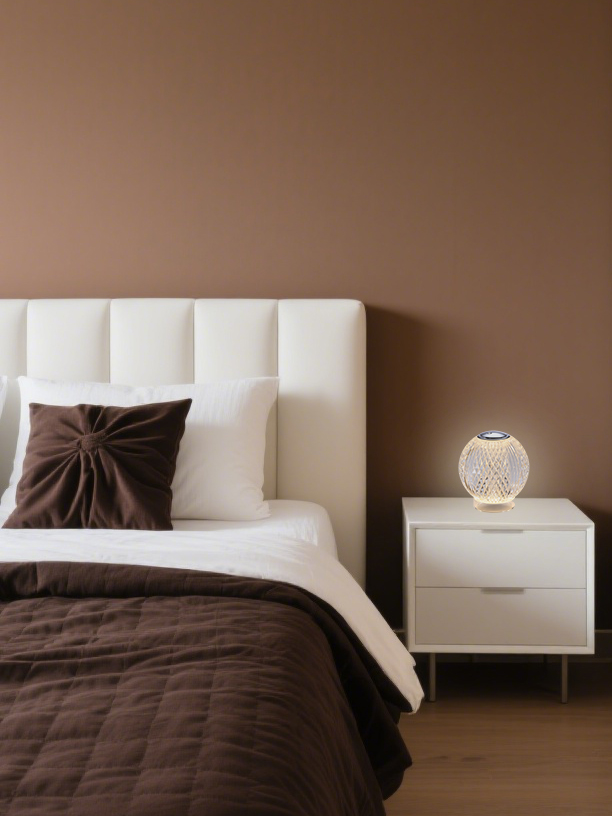
I’ve been comparing how teams select fixtures across chains and indie spots, and the patterns are clear. Choices hinge on control gear, drivers, and dimming protocols as much as style. When the stakes are taste, time, and talk, you need a plan. Ready to stack options side by side and see what matters next? Let’s step into the details and test the usual rules.
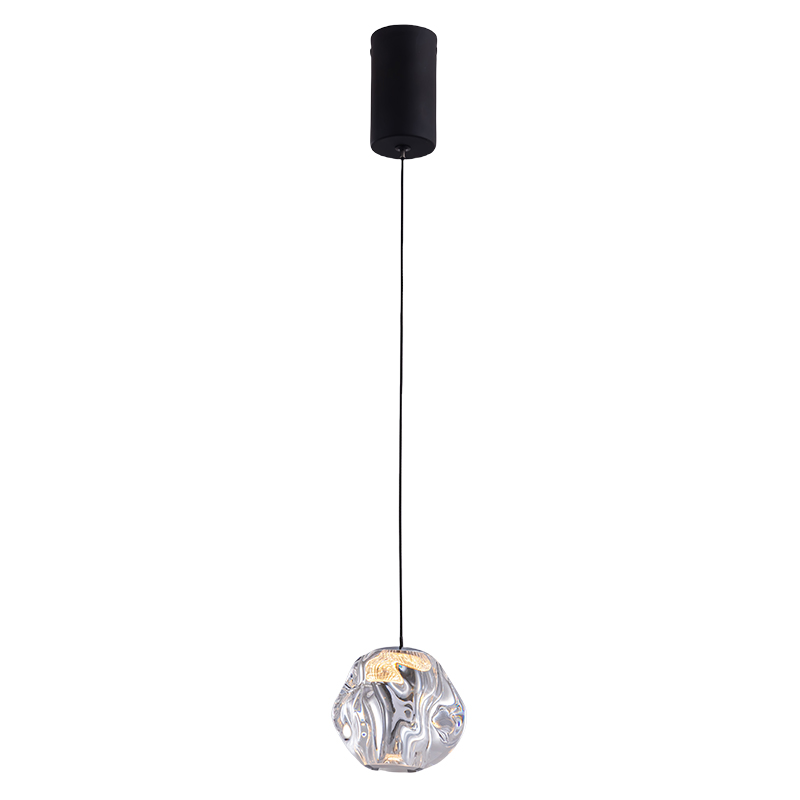
Digging Deeper: Where Restaurant Lighting Quietly Fails
Many teams start with aesthetics, then chase fixes later. A restaurant pendant light may look perfect on a mood board, yet stumble in service. Why? Traditional choices often ignore glare control, flicker, and the way optics shape the table cone. If the cone is too wide, spill causes eye strain; too tight, plates look dim. Look, it’s simpler than you think: check CRI for food fidelity, confirm lumen output per table size, and match dimming protocols (0–10V or DALI) to your control stack. Miss those, and you end up with hot spots, humming power converters, or drivers that clip at low levels.
What actually goes wrong?
Hidden pain points are sneaky. Thermal management gets overlooked, so LEDs shift color over time. Low-grade drivers pulse, creating micro‑flicker guests feel more than see—headaches follow. Maintenance breaks the budget when fixtures lack modular parts or a sane service plan. And then there’s height: fixed drops lock you into one dining scenario, even as menus and seating evolve. Add hard surfaces, and the glare index rises fast—cue shorter stays and faster fatigue. The fix isn’t magic. It’s checking beam angle, driver quality, and the compatibility of control gear early, not after install—and making sure the spec holds up during rush hours, not just in a showroom.
Comparative Outlook: New Principles, Real Gains
Let’s look ahead and weigh what’s changing. The newest optics use layered lenses to shape a crisp table pool with soft falloff—less spill, less glare. Multi-channel drivers smooth dimming curves so candlelight scenes don’t shimmer. And a smart rail with quick-connects lets you reposition a height adjustable pendant light during seasonal resets—no drywall dust, no downtime. Compared to old fixed rigs, these systems tune beam angle and CCT without swapping heads. Add sealed housings with proper IP ratings near open kitchens, and thermal paths that keep output steady. The result: stable color, quiet electronics, and a calmer room.
What’s Next
Case wise, a mid-size brasserie cut glare complaints by half after moving to low-flicker drivers and tighter optics—service pace improved, too. Another site lifted bar sales by tweaking pendant height zones over high-tops (small change—big effect). Across both, the lesson holds: when control hardware, drivers, and optics align, you get comfort and consistency. Summing up the journey so far, we’ve seen why looks alone underdeliver, how specs steer guest comfort, and where flexibility pays off without drama—and yes, it matters.
To choose well, use three simple metrics. One: visual comfort index—check glare control, beam angle, and dim-to-warm behavior at low levels. Two: system integrity—driver quality, dimming protocol compatibility, and thermal management over time. Three: adaptability—mounting options, serviceability, and real height adjustability for evolving layouts. Track those, and you’ll stack the deck in your favor for the long run with any solid partner like kinglong.
