
Introduction — Why some shops win and others lag?
Have you ever wondered why two factories with the same drawings and spending often end up with wildly different output? CNC vertical machining center manufacturers are at the heart of that gap; they sell machines, but they also sell choices that shape productivity (and push budgets). Recent shop-floor surveys show firms that tune spindle performance and tool paths see up to 30% higher throughput — so what really matters when you buy a machine?
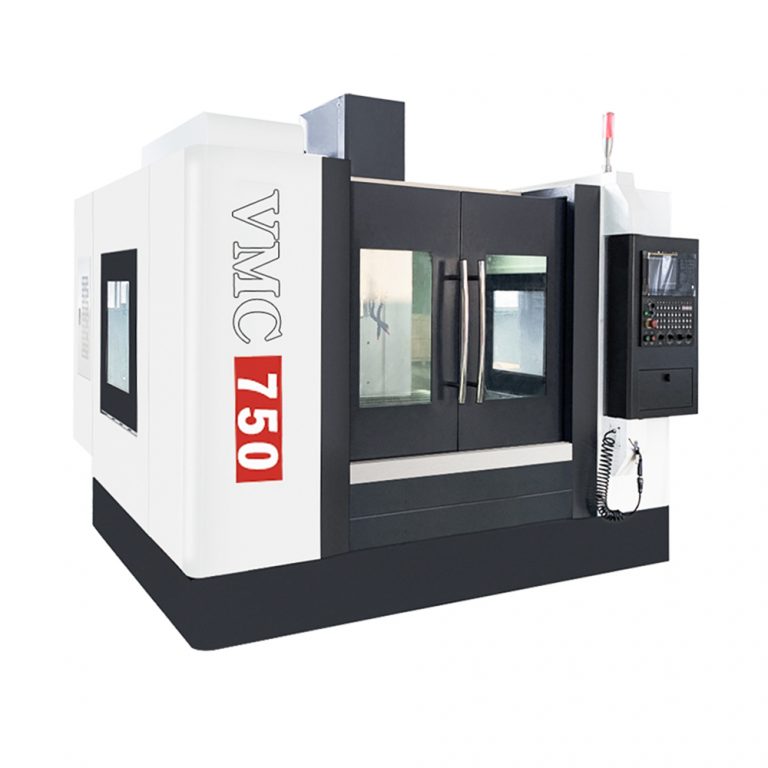
I want to set a simple scene: you need repeatable parts, tight tolerances, and steady uptime. The right machining center delivers that; the wrong one costs time and morale. In this piece I’ll compare what vendors measure, where traditional metrics fail, and how you can spot the best long before the first trial run. — Ready to look under the hood?
Part 1 — Where traditional specs fall short (a technical breakdown)
What really breaks down on the shop floor?
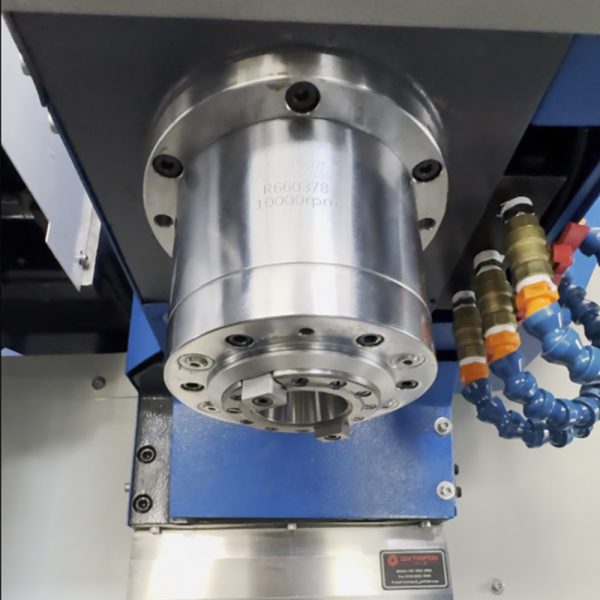
I’ll be blunt: spec sheets lie by omission. You’ll see numbers for spindle rpm, maximum feed rate, and guaranteed accuracy, but those figures ignore real conditions like thermal drift, tool wear patterns, and control-loop tuning. For anyone considering a small cnc vertical machining center, those omissions matter. A spindle rated for high rpm doesn’t guarantee stable torque under heavy cuts; a tool changer spec won’t tell you how long it holds tight tolerances after a full shift.
Technically, the weak links are often dynamic: axis stiffness, servo motor responsiveness, and the interaction between coolant delivery and cutting forces. If the machine controller can’t compensate for chatter or changes in cutting force, you lose cycles and scrap. Look, it’s simpler than you think — test cycles under load. I’ve seen shops pass on a machine because its thermal growth pushed tolerances out after two hours. That’s not a vendor flaw alone; it’s a design trade-off where power converters, control loop bandwidth, and mechanical damping weren’t balanced. — funny how that works, right?
Part 2 — Future outlook: case examples and pragmatic choices
What’s Next for buyers and builders?
Looking ahead, I see two clear paths. One path doubles down on incremental gains: better sensors, smarter CNC tuning, and more robust fixturing. The other embraces a systems view — integrating CAD/CAM feedback, adaptive control, and predictive maintenance. In practice, a small vertical machining center that feeds real-time spindle load and vibration data into the CAM can self-adjust feed rate to avoid chatter. That reduces scrap and stretches tool life. I’ve watched this cut rework by nearly half at one mid-size shop.
From my vantage point, the vendor that offers transparent test data (not just peak numbers) wins trust. Ask for cutting trials with your materials, at your cut depths. Check how the machine handles rapid tool changes, how the coolant system stabilizes temperatures, and whether the axis backlash remains within tolerance after long runs. These are the metrics that matter. If you insist on a checklist: measure thermal drift over time, validated surface finish under load, and mean time between failures for the spindle and tool changer. — small steps, real gains.
Conclusion — 3 practical metrics I recommend
Here are three metrics I always use when evaluating CNC vertical machining center manufacturers: 1) Stabilized thermal growth: measure part deviation after sustained operation; 2) Adaptive control responsiveness: how quickly and smoothly the controller counters load changes; 3) Real-world mean time between failures (MTBF) for spindle and tool changer under your cutting recipe. I rate machines against these, and they’ve guided my best purchases.
In short, don’t be seduced by max rpm or shiny specs alone. Test for sustained accuracy, ask for honest load trials, and prioritize machines that report meaningful operational data. I’m convinced that thoughtful testing beats glossy brochures every time. For pragmatic choices and reliable support, consider checking offerings from Leichman — they give data that helped me decide more than once.
