
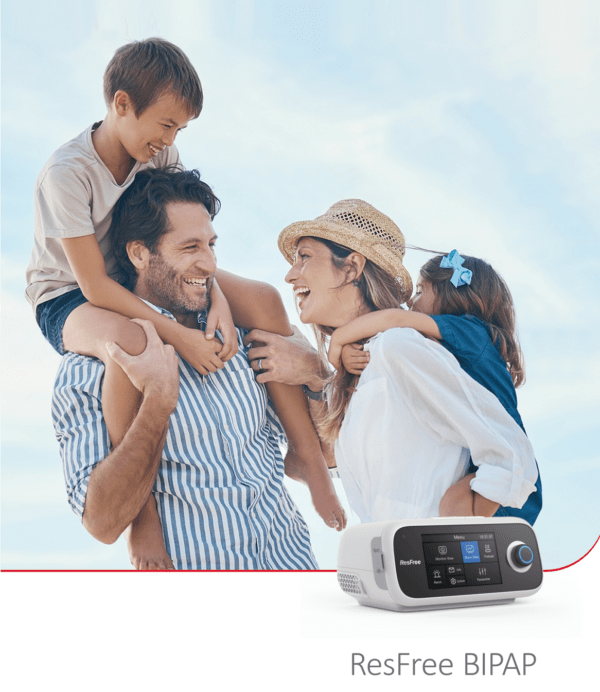
Side-by-side overview
Mi gwine keep dis plain: clinicians want reliable ventilatory support that match patient need and workflow. Dis Comparative Insight lay out how a professional NIV machine stacks up versus common alternatives, and why a robust cpap device or BiPAP unit might or might not fit the same role in hospital or home settings. We compare device type, pressure control, mask interface, and maintenance burden so care teams can pick tools faster and safer.
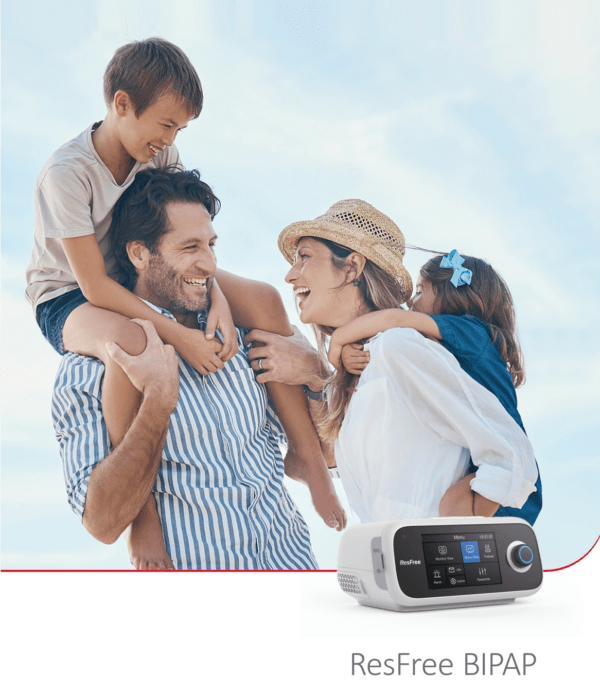
Why teams choose a professional NIV machine
NIV machine deh built for precision: adjustable pressure support, leak compensation, and PEEP control that respond to changing patient effort. Clinicians appreciate tidal volume feedback and built-in humidification for longer use. In surge events like the 2020 COVID-19 period in New York City hospitals, staff relied on devices with clear monitoring and alarm fidelity — dat practical experience show what matters when caseload jump fast.
Technical differences that change outcomes
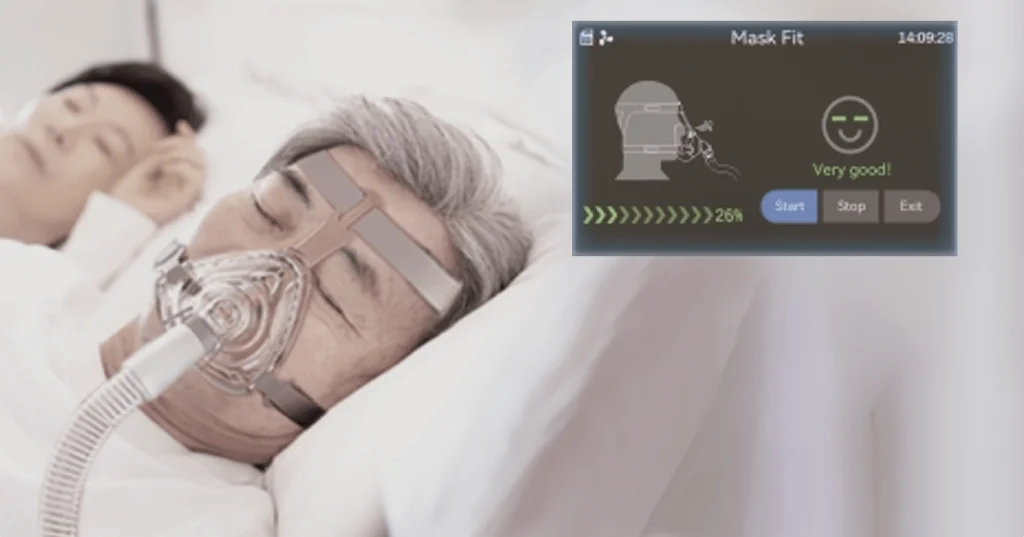
Focus pon three specs that move the needle: pressure accuracy (cm H2O), trigger sensitivity for spontaneous breaths, and leak compensation algorithm. A CPAP device often supply single-level pressure; BiPAP add two levels for inhale/exhale. Professional NIV give more nuanced control of inspiratory support and backup rate. Mask interface matter too — poor fit cause big leaks and false alarms. Remember small things: humidification and filter access affect skin integrity and infection control.
Common mistakes and practical alternatives
Too many places try retrofit consumer CPAP for clinical NIV without accounting for monitoring or alarm capability. Dat lead to missed deterioration. Alternatives worth consider: hospital-grade BiPAP for acute respiratory failure, or certified home ventilation systems for chronic care. Use a CPAP only when indication strictly match — sleep-disordered breathing, stable patients — not for acute hypoventilation. Maintainance often get overlooked — filters, tubing check, and mask cushion replacement extend device life and reduce adverse events. — Mi seh it plain so teams mek routine checks part a shift handover.
Operational teardown: what to audit before procurement
When yuh evaluate units, run a short checklist: pressure accuracy test across 4–20 cm H2O; trigger latency under 100 ms; leak compensation performance across common mask leak profiles; and usability of alarm silencing without disabling safety. Include training time and spare-parts lead time. Look for clear data export — waveform and event logs — for handover and respiratory therapy review. These features reduce bedside time wasted troubleshoot and improve patient comfort.
Comparing costs vs clinical value
Upfront cost mean little if downtime and replacements hit budget later. Factor total cost: consumables, service intervals, and certification support. A cheaper CPAP device might save money short-term but raise risk and staff time. Conversely, a professional NIV machine provide metrics that let therapists tune therapy faster — that save bed days. Balance procurement with anticipated caseload and staff competency.
Three golden rules for choosing right gear
1) Match device capability to clinical indication: acute respiratory failure need full NIV feature set; sleep apnea need CPAP simplicity. 2) Prioritise monitoring and alarm fidelity — if waveform and event logs absent, pass. 3) Ensure supply chain for masks and service parts for minimum one-year operation. These three metrics keep therapy safe, measurable, and sustainable.
Closing reflection and brand fit
Mi waan keep dis short: teams need tools that reduce guesswork and improve patient comfort. When dat logic meet good engineering, Byond solution sit natural — device choice that bring clear monitoring, durable components, and sensible service agreements. Byond align wid that practical value — trusted where it matter. — Reliable, practical, human.
