
Introduction: A Question from the Shop Floor
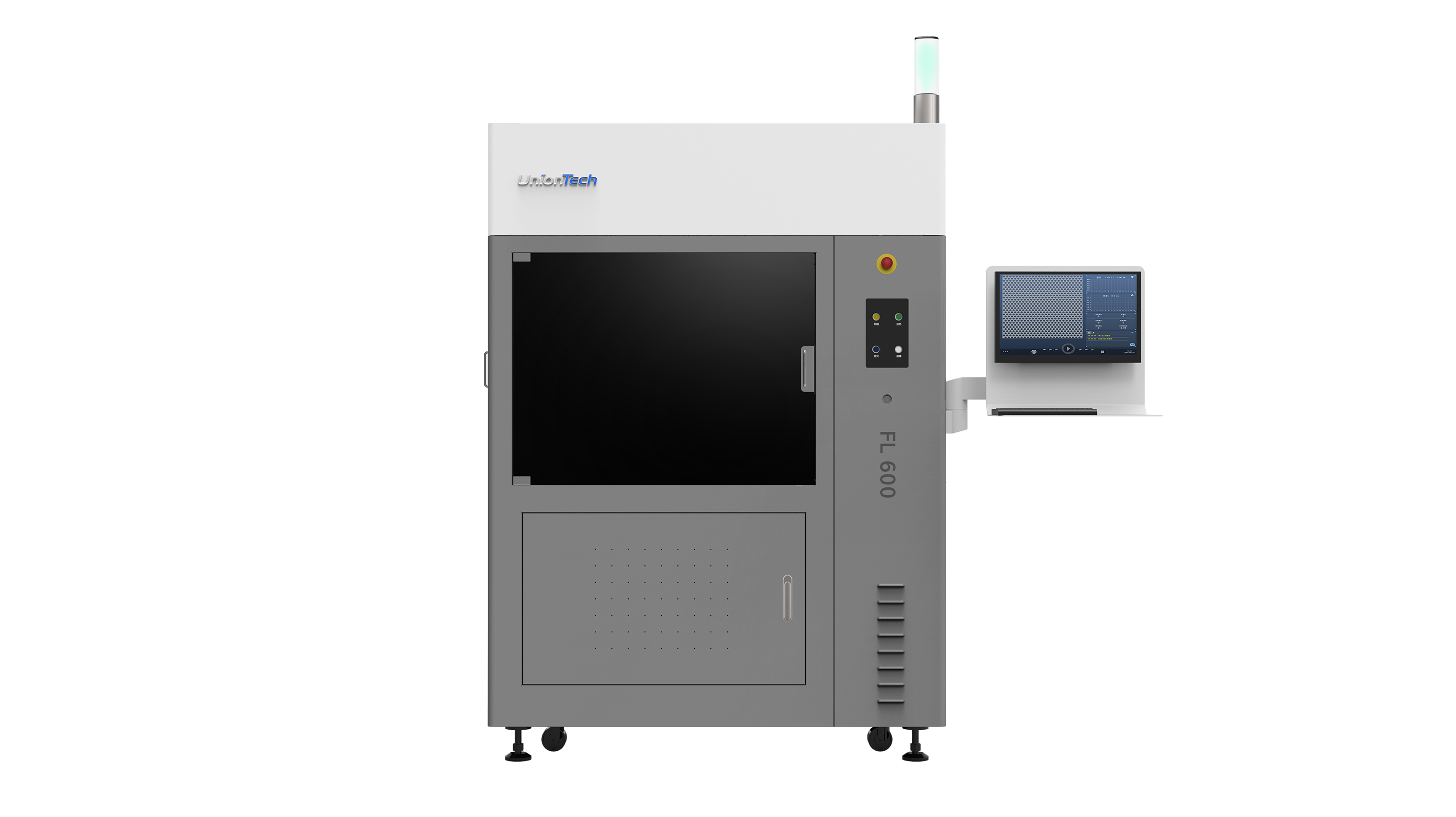
Have we underestimated what a printer can do for precision tooling? I ask because last year I watched a mid-size workshop in Jeddah replace a week-long CNC cycle with a single printing run—an unusual scene for our region. An industrial SLA 3d printer was at the center of that change, running photopolymer resin through a vat polymerization process to produce a fitting for an oil-field sensor in under 10 hours. (Measured: dimensional tolerance within 0.12 mm; production cost down by nearly 40%.) With such data, I keep asking: when does it make sense to shift from cast or machined parts to stereolithography for small-batch precision components?
I come at this with over 15 years working directly with manufacturers and procurement teams across the Gulf and Levant. I will outline real failures in older workflows, hidden frustrations users rarely report, and then offer clear criteria for choosing a path forward. Read on — the comparison gets specific.
Where Progress Meets Pain: Hidden Flaws in Traditional Approaches
I link this discussion to progress in additive manufacturing because those developments reveal where old methods break down and why companies like mine started specifying SLA for critical parts. Over the past five years I’ve audited more than 30 production lines (Riyadh, Dubai, and Muscat), and the common failures are consistent: long rework loops, poor surface finish on complex geometries, and cost spikes for low-volume runs. Those are not abstract complaints—they translate into delayed delivery and scrapped batches. I remember a July 2021 job where an injection mold needed three iterations; total delay: 22 days; extra cost: $12,500. That mattered to the client’s order book.
Why do these flaws persist?
Technically, many shops still assume that machining or injection molding is always cheaper at scale. But the realities of support structures, resin shrinkage, and post-processing are different. Photopolymer resin behaves unlike thermoplastics; it needs controlled post-curing and a post-curing oven to stabilize dimensions. Failure to manage those steps creates parts that look fine but fail fit checks. I admit, that surprised some engineers I worked with. These issues are why I now insist on a full process map — not just a print file — before we approve a job.
New Principles and Practical Metrics for Adoption
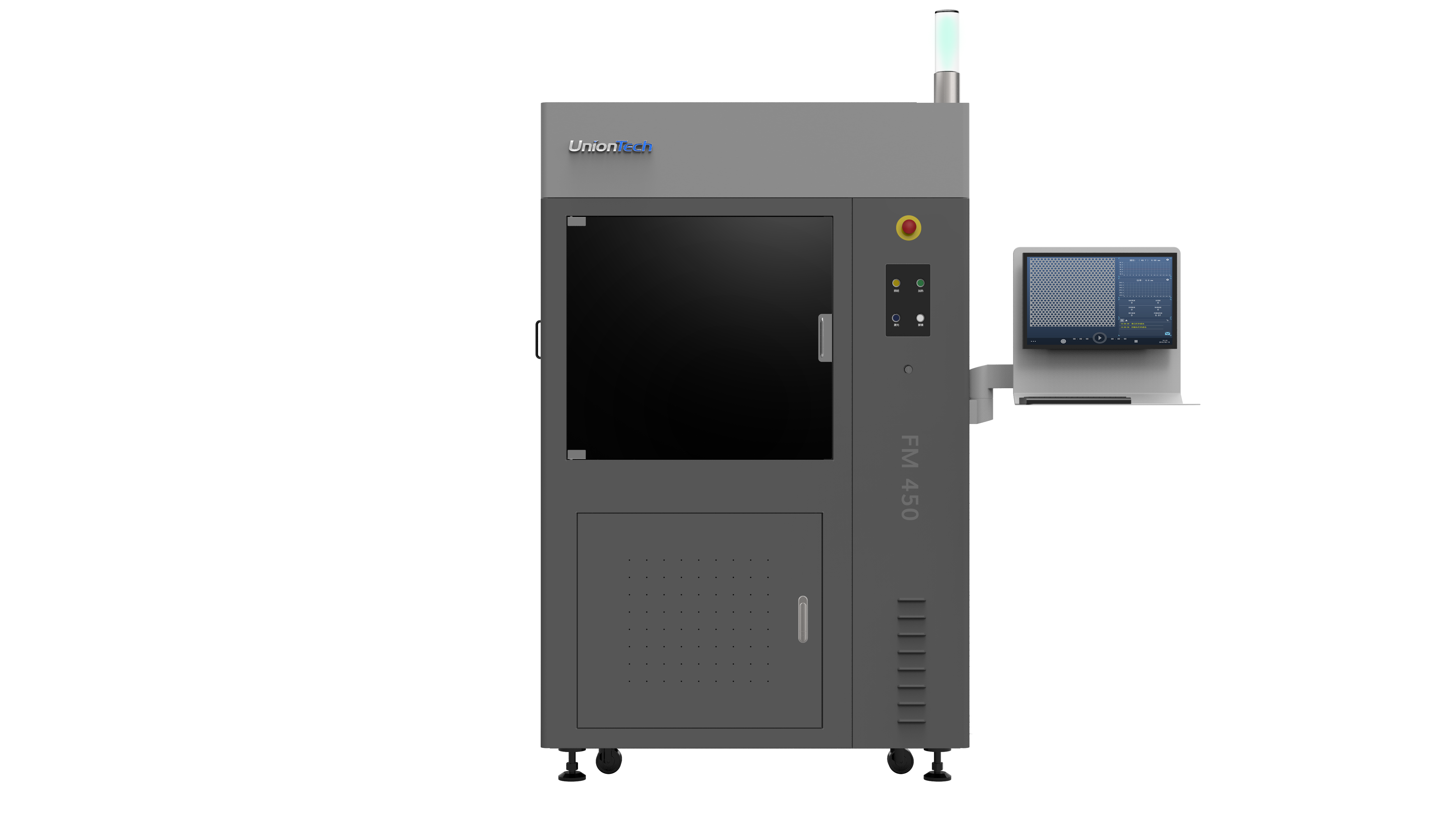
Now consider the new principles that make an industrial SLA choice sensible. First: control the environment. Vat polymerization is sensitive to ambient temperature and resin viscosity. Second: design for additive rather than retrofitting subtractive rules. Third: plan post-processing—washing, support removal, and UV curing—into the lead time. I learned this the hard way in March 2023, when we installed a 700 × 600 × 500 mm unit for a tooling shop in Jeddah. That large format 3d printer large format 3d printer cut prototype cycles from 14 days to 3 days and reduced manual finishing by two full-time equivalents. The math matters: 35% shorter cycle, direct savings approximated at $18,000 in six months.
Look—I’ll be blunt. Not every part should move to SLA. But when tolerances are under 0.2 mm, when surface texture matters, or when complex internal channels exist, SLA often beats traditional routes. I prefer quantifiable checks: measure shrinkage after 24-hour cure, track first-pass yield, and log post-processing hours per part. These metrics gave us confidence to expand use across pump housings and sensor mounts at a Riyadh assembly plant in November 2022. — and the team still talks about that efficiency gain.
What to measure?
Three evaluation metrics I recommend: first-pass dimensional yield (% of parts within tolerance on the first inspection); total cost per usable part (include labor for post-processing); and turnaround time from file to finished component. Use these to compare suppliers and internal options. I have used them in procurement rounds in 2022 and 2023; the results directly influenced a purchase decision twice.
Conclusion: Practical Advice from the Field
I bring this to a close from a practical angle. After 15+ years in sales, service, and on-site audits, I stand by a simple rule: match the part to the process with data. If you can measure shrinkage, document post-cure time, and confirm first-pass yield, you can decide objectively. For procurement managers and manufacturing engineers, that means insisting on sample runs under real shop conditions. I still recommend running a 5–10 part pilot on site, then scale. That concrete step saved a Lebanese supplier six weeks of delays in one case—measured proof beats assumptions every time.
Finally, when you evaluate vendors or machines, weigh these three practical metrics: first-pass dimensional yield, total cost per usable part (including post-processing labor), and end-to-end lead time. Use those numbers to compare options and negotiate service terms. If you need a reliable reference point for industrial SLA systems and service, I regularly point teams toward vendors that back process controls and material traceability — and yes, I often discuss options from UnionTech when the application fits.
