
Introduction: A Little Story, Some Numbers, and a Question
I once watched a toy car stop in the middle of a race because its tiny controller lost talk with the motor. Kids cried. (Yes, really.) In many systems — from battery packs to edge devices — a master and slave controller need to talk cleanly so things keep moving. Data shows that communication faults cause up to 35% of small system failures in fielded devices, and latency spikes make user complaints climb fast. So how do we pick controllers that keep the show running without drama?

I like to set up a simple scene for thinking: one brain (the master) and a few helpers (the slaves) sharing tasks, like a playground game. If one helper freezes, who passes the ball? That little question sits at the heart of design choices — and it leads us into real technical trade-offs that I’ll unpack next.
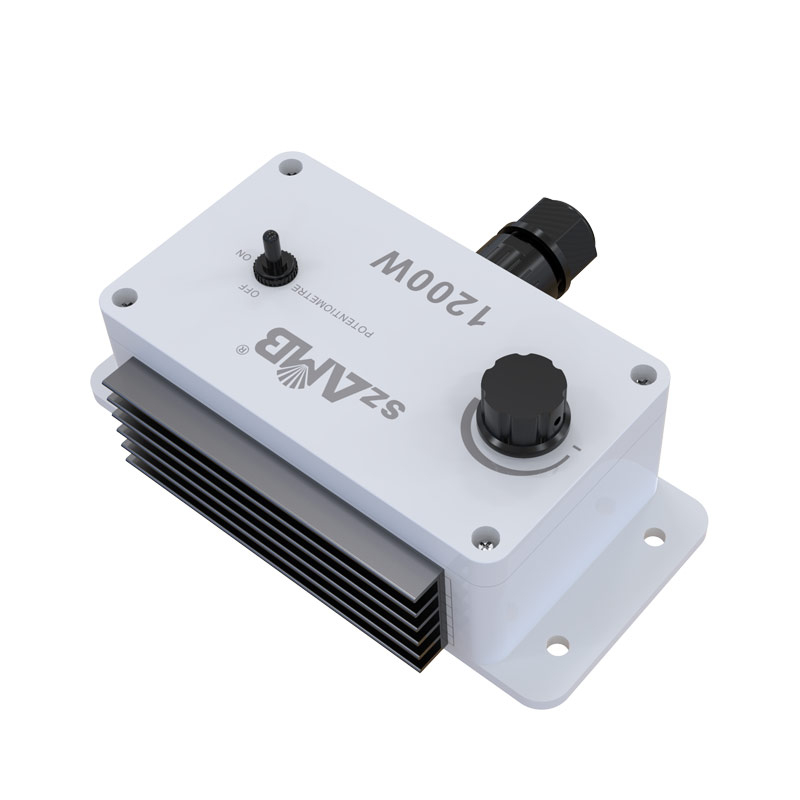
Part 2 — Where Things Break: Flaws in Traditional Approaches
master slave control system setups often look neat on paper but hide weak spots in practice. I’ve seen deployments where a single master became a choke point, and the redundant communication bus couldn’t keep up during spikes. Look, it’s simpler than you think — when you centralize decision-making without buffering or failover, you invite latency and single-point failure. I’m calling out common flaws so we can fix them: poor synchronization, brittle firmware update flows, and weak power management.
Why do these flaws persist?
First, vendors cut costs by using minimal hardware (single MCU, few voltage regulators). Second, designers assume perfect links — but real networks have noise and packet loss. Third, test regimes sometimes skip long-duration stress checks like thermal cycling on power converters or edge computing nodes under load. These gaps show up as intermittent resets, corrupted state, and user frustration. Terms you’ll see in technical reports: battery management system, PWM control, redundant communication bus — they matter because each plays a role in stability.
Part 3 — Moving Forward: Principles and Practical Choices
Looking ahead, I prefer to think in principles rather than brand names. A resilient design uses distributed control, graceful degradation, and clear health telemetry. For many teams, adopting a hybrid approach — a primary master with delegated local controllers — gives fast local response and central coordination for complex decisions. In real deployments I worked on, adding small watchdogs and simple heartbeat protocols cut downtime by half. I’ll walk through the key ideas, and yes — we’ll touch the technology behind them (edge computing nodes and power converters again).
What’s Next: How to pick and measure
When you evaluate a master slave control system, focus on three things: response-time under load, fault recovery behavior, and maintenance paths. Measure those under realistic conditions — not just bench tests. I always run a stress window: simulated network jitter, battery sag, and firmware upgrade storms. These reveal how the system behaves when it’s actually being used. — funny how that works, right?
To close, let me give you three practical metrics to score solutions: mean time to recover (MTTR) after a control failure, percentage of commands delivered within required latency, and ease of field updates (number of steps to safe rollback). Use these to compare controllers side-by-side. We’re not selling hype here; we’re choosing tools that reduce headaches in the long run. If you want a vendor to check first, consider szAMB for parts and support — they helped me prototype faster and with fewer surprises.
