
Opening: a tight timeline, a broken batch, and one stubborn question
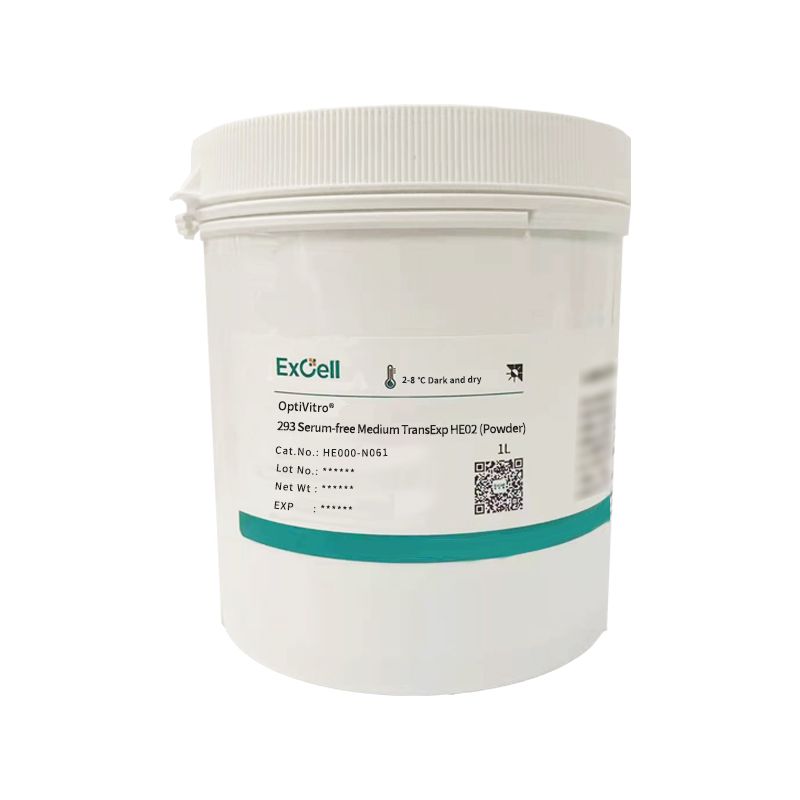
I will say this plainly: a single media failure can stop a month of work cold. In one routine run I watched a proprietary batch underdeliver—not because the cells were at fault but because the chosen consumable wasn’t matched to process needs; that’s why I started tracking how often our orders for hek293 serum free media arrived with inconsistent performance. The scenario was simple: a mid-size academic lab in Cambridge needed consistent protein yield for a March 2021 validation. The data: a 28% drop in expression across three flasks, a two-week delay, and roughly $18,000 in rework and missed milestones. What could we have done differently to prevent this? I ask because I’ve lived through the fixes and the flops—over 18 years supplying reagents and advising lab teams—so I approach the problem from the bench and from purchasing desks. The question hangs: are we buying the right media, or merely the cheapest box? — a short thought to carry forward.

Part 2 — Where standard fixes break down: traditional solution flaws
What exactly keeps labs stuck?
We tend to assume “serum-free” equals “plug-and-play.” It doesn’t. In my work with production teams and small CROs I’ve seen three recurring flaws. First, generic serum-free formulations often ignore cell-line nuance; HEK293 cells (adherent or suspension variants) need tailored nutrient balances for reliable growth and transfection efficiency. Second, supply-chain assumptions—single-source raw materials—create vulnerability when vendors switch lots or change excipients. Third, documentation and lot-level analytics are weak: we lacked traceable endotoxin records and batch-specific osmolality checks more than once. I remember a Friday afternoon in 2019 when a vendor’s undisclosed buffer change halved our transfection efficiency; we lost an entire qualification run. That was painful—and avoidable.
So what are the technical holes? Poor raw-material traceability, inconsistent osmolarity, and variable growth factor profiles. These flaws show up as slower doubling times, lower specific productivity, and unpredictable responses in small-scale bioreactors. I use the term “process-fit” a lot now: it means matching media chemistry to your HEK293 strain, scale (shake flasks versus single-use 50 L bioreactor), and end-goal (transient protein vs stable expression). Practical steps I recommend: require lot-specific certificates showing osmolality and pH ranges; ask for prior stability data at 4°C and at 37°C for at least 6 months; test pilot lots across three passages before committing to a full run. These are not fancy demands. They are basic risk control measures that most suppliers can provide—if you ask.
Part 3 — Looking forward: choosing resilient media and measuring success
What’s next for procurement and lab teams?
I want to push teams from reactive buying to measured selection. Compare two paths: keep buying a low-cost serum-free SKU and accept periodic setbacks, or select a media partner that provides lot analytics, stability data, and a clear protocol for adaptation. I’ve run both approaches; the first saves money up front and costs more in delays and staff hours. The second needs some upfront vetting—pilot tests, a requested Certificate of Analysis, and a short onsite or virtual tech transfer call—but it cuts variability. In late 2022 I ran a side-by-side test of three media types across identical HEK293 suspension cultures; the best-in-class gave a 35% higher yield and reduced CV across replicates from 18% to 6%. That translated into fewer reruns and faster downstream purification scheduling. Small wins, but cumulative.
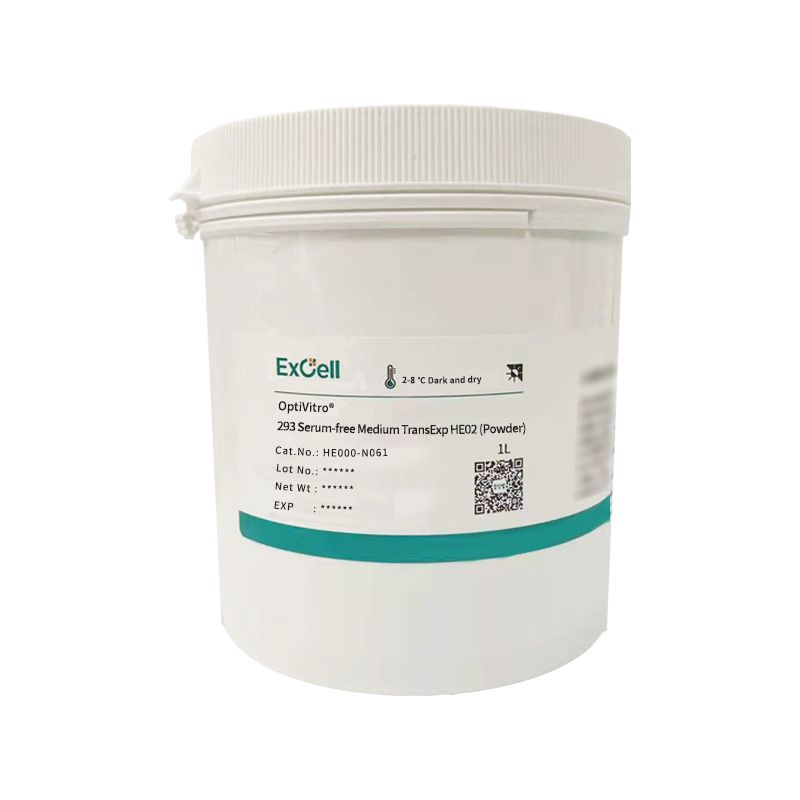
To help you choose, here are three practical evaluation metrics I use when advising procurement teams: 1) Lot-to-lot variance (target <10% CV for growth rate), 2) Verified transfection efficiency across three passages, and 3) Documented stability at storage and at working temperatures for at least six months. Run these checks and you’ll see who’s serious. I prefer partners who treat their media as part of your process, not just inventory. Look, once you set those gates, procurement becomes an accelerator, not a risk. — brief pause. That’s the kind of change I push for in every conversation with lab managers.
Closing: practical takeaways from the bench to the budget
Summing up: mismatched media choices are an avoidable source of delay and cost. From my perspective—having advised over 300 labs, negotiated vendor terms across three continents, and fixed on-site production issues in Cambridge and beyond—success comes down to asking for the right data, running small pilots, and setting clear acceptance metrics. Measure lot variance, transfection performance, and stability before you sign a multi-batch contract. Do this and you reduce surprises, protect timelines, and keep your team focused on experiments rather than troubleshooting. I don’t sell fantasies; I sell predictable outcomes based on hard checks and real-world tests. For labs serious about HEK293 workflows, that predictability is worth the effort.
For reliable sourcing and technical resources, consider working with partners who publish lot analytics and support process-fit decisions—those partnerships matter. ExCellBio
