
Introduction: Why does fume control still trip up modern auto plants?
Have you ever watched a welder lean over a seam and wondered why, in 2025, we still debate extraction efficacy? In many cases the answer sits at the intersection of process design and compliance metrics: automotive manufacturing welding fume extraction remains a legal and operational concern for plant managers, safety officers, and engineers alike. Recent compliance reviews and occupational exposure surveys show particulate concentrations and metal-oxide fumes that can breach internal thresholds (and trigger costly remediations). What then are the practical comparators that separate adequate control from true optimization?
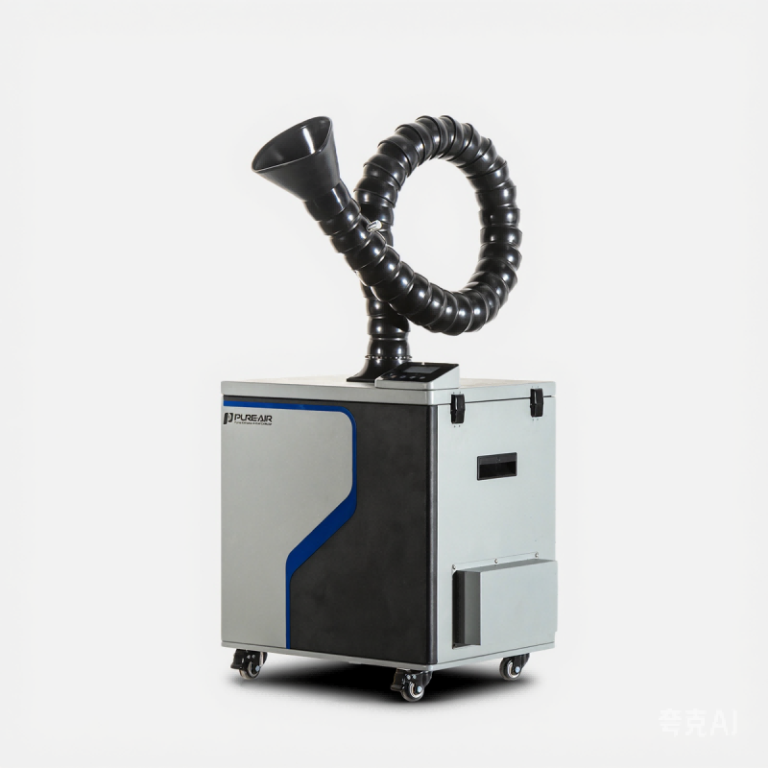
I write this from a legal-technical perspective: statutes, permissible exposure limits, contractual warranty language, and operator duty of care shape decisions in ways that pure engineering studies do not. We must parse regulatory text, review monitoring data, and translate that into equipment choices and maintenance regimes. The goal here is comparative: to set out five insights that help you judge systems against one another, not to endorse a single vendor. This will lead us into specifics — flaws, fixes, and what to look for next.
Part 2 — Traditional Solution Flaws: where vehicle exhaust extraction systems fall short
vehicle exhaust extraction systems are often specified as the go-to control measure in welding bays, yet many installations deliver suboptimal results by design. At first glance, a system with strong suction and a visible hood seems compliant. But technical assessment reveals layered failures: poor capture velocity due to hood geometry, undersized ductwork that increases backpressure, and inadequate filtration media that allows ultrafine particulate to bypass filters. These are not theoretical faults — they are recurring, measurable defects I see during plant audits.
Why do standard systems routinely underperform?
The core problem is a mismatch between source characteristics and system architecture. Local exhaust ventilation (LEV) designed for small-scale tasks cannot reliably manage series welding or robotic arc sequences without recalibrated airflow profiles. HEPA filtration may be specified but installed in series with dirty pre-filters that clog quickly; in-line fans are then pushed to inefficient operating points. Add to that the maintenance burden: ducts collect weld spatter, access doors are difficult to reach, and scheduled filter changes slip. Look, it’s simpler than you think — design for the task and the task only.
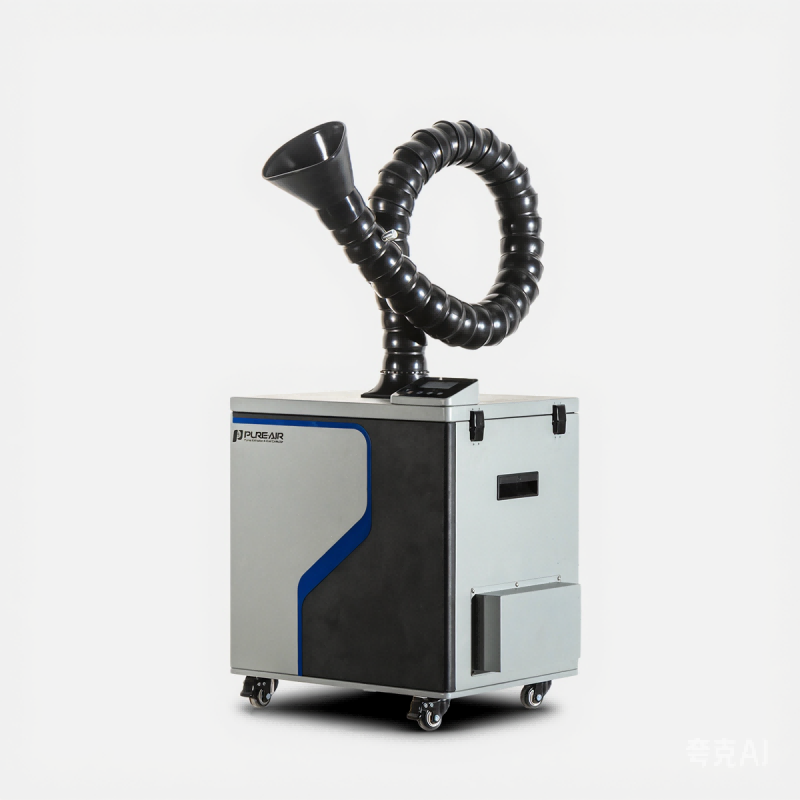
From a compliance angle, documentation gaps compound the issue. Flow testing is done at acceptance but not repeated after six months; records lack chain-of-custody for filter disposal; exposure monitoring is episodic rather than continuous. The net effect is legal and operational exposure: higher long-term costs, potential citations, and workforce health impacts. I’ve measured plants where particulate matter (PM) counts doubled within a single shift because a control bypass was inadvertently open — no dramatic failure, just a cascade of small issues. — funny how that works, right?
Part 3 — Comparative Outlook: new technology principles and evaluation metrics
Looking forward, the comparative frame must shift from “is it installed?” to “how does it perform over time?” New principles favor adaptive control, data-driven maintenance, and integration with plant automation. Systems are moving toward active monitoring (real-time particle counters, pressure transducers), modular hooding that adapts to different weld sequences, and smart controls that modulate in-line fans to maintain capture velocity while saving energy. Edge computing nodes can process local sensor data and communicate anomalies to central DCS — this reduces response time and prevents drift.
What’s Next — real gains or incremental upgrades?
We should compare solutions on three dimensions: capture fidelity, lifecycle maintainability, and operational transparency. Capture fidelity examines hood geometry, airflow profile, and actual measured capture velocity at the point of weld. Lifecycle maintainability inspects access, filter change frequency, and the robustness of ductwork against spatter. Operational transparency evaluates sensor coverage, data logging (continuous vs. spot), and integration with plant safety systems. When I assess vendors, I weight these metrics and ask for field data — not just lab numbers. That keeps the conversation grounded.
Here are three concrete evaluation metrics I recommend you demand before procurement: 1) Verified capture velocity at the weld seam across representative tasks; 2) Mean time between filter changes under real loading, not idealized cycles; 3) Live data availability — latency, retention, and access rights for occupational health teams. Use these to compare apples to apples.
In closing, choosing the right system is part technical audit and part governance review. You need to test, document, and insist on measurable performance over time — not mere specifications. We’ve moved beyond the era of “one-size-fits-all” duct solutions; adaptive vehicle exhaust extraction systems and smarter filtration strategies offer tangible improvements. — no kidding. For pragmatic solutions and detailed product data, I often point practitioners to suppliers who publish field performance reports and maintain robust after-sales support. For further reference and product lines that align with the criteria above, consider reviewing options from PURE-AIR.
