
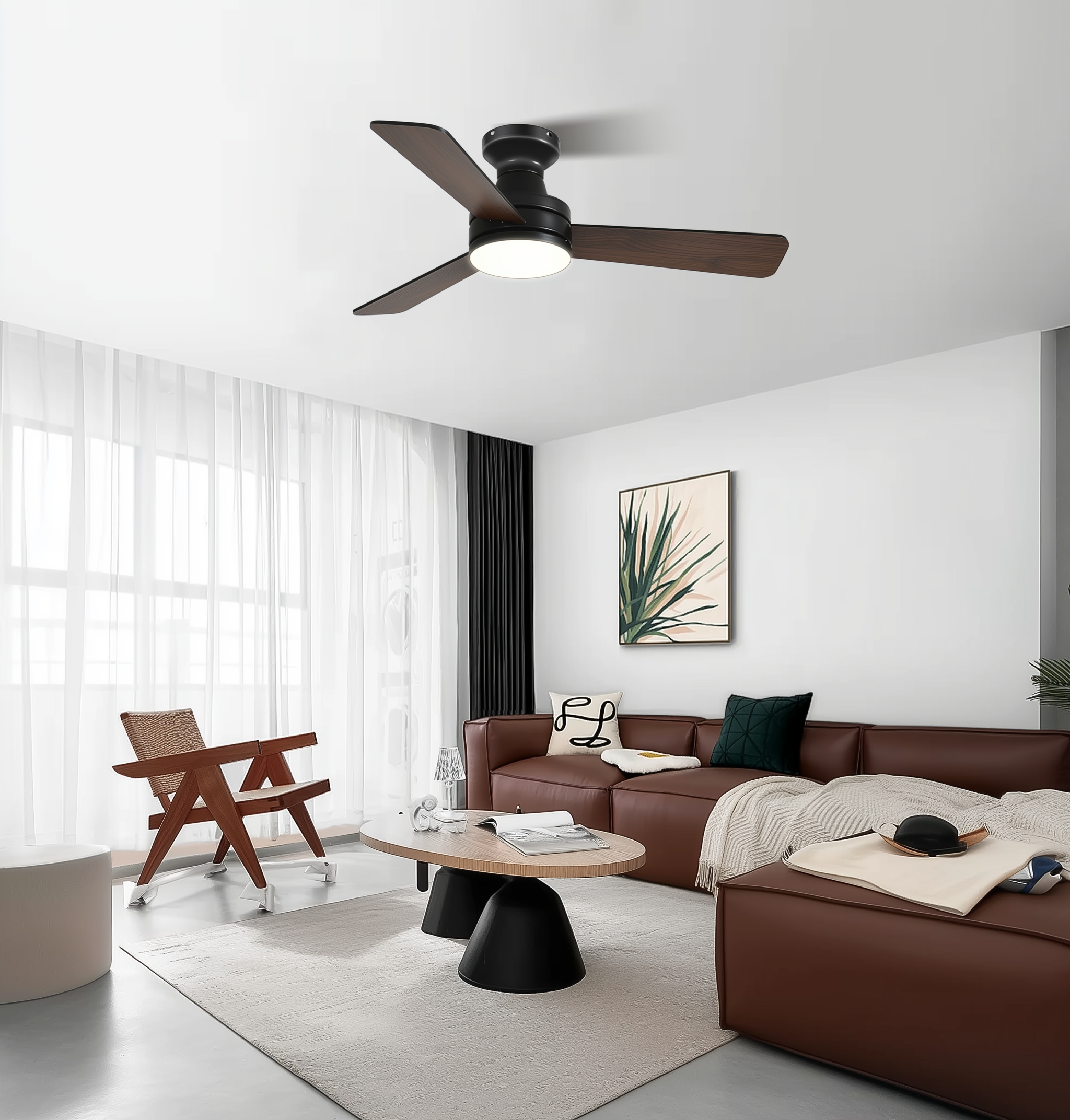
Start here — what you actually get from a small outdoor fan with light
When you’re choosing a small outdoor ceiling fan with light, you’re not just buying airflow and a bulb — you’re selecting comfort, safety, and ambience for an outdoor room that must perform under sun, rain, and dinner-party expectations. Think of it as a single device that answers insect-prevention (by keeping pests moving), cooling (mechanical ventilation), and lighting needs without cluttering your porch. If you’re considering larger alternatives later, look at how a large ceiling fan with light changes coverage; but for many patios, a compact fan is the smarter, user-focused option.

What problems does a small outdoor fan solve for homeowners?
From a user perspective, the value is practical. It reduces perceived temperature through increased evaporation, disperses cooking odors, and adds task or mood lighting without wiring extra fixtures. For renters or DIY-leaning homeowners, small fans often require simpler mounting and lower electrical draw. In many regions — imagine warm-season communities across Florida and Texas where outdoor living surged after 2020 — these fans became central to how people used porches and lanais. That real-world shift explains the new focus on damp- and wet-rated designs in the market.
Features to prioritize — a checklist that won’t cost you later
Instead of chasing looks alone, evaluate these practical specs: IP rating (for moisture protection), motor type (DC motors are quieter and more efficient than induction motors), and CFM (cubic feet per minute) for airflow performance. Blade pitch affects thrust; steeper pitches usually move more air at a given RPM. Also check the light’s lumen output and color temperature so the fixture truly serves evening gatherings. These industry terms matter because they predict real performance on your porch — not just a glossy product photo.
Installation realities and common mistakes to avoid
Installation trips up many buyers. Common mistakes include underestimating structural support (a ceiling that can’t handle a motor’s torque), mismatching downrod length to ceiling height, and ignoring local code for wet-rated fixtures. Another frequent error is assuming one fan’s neck or canopy fits every existing junction box — it often doesn’t. Compare to a traditional ceiling fan with light and you’ll spot differences in mounting hardware and canopy size — small outdoor units tend to use lighter assemblies but need precise sealing at the canopy to prevent water ingress. A practical fix: test-fit the canopy and run a short operational trial before finalizing the wiring — it saves an afternoon of backtracking.
Design trade-offs: compact form vs. coverage and noise
Choosing a smaller fan means accepting some trade-offs. You get better integration in tight ceilings and often lower energy draw, but you lose sweeping coverage unless blade pitch and CFM are optimized. Noise can be a hidden deciding factor — cheaper motors vibrate louder, which defeats the idea of a relaxing outdoor room. If you need wider airflow, consider a larger-diameter blade or a fan with higher CFM rather than upping speed on a tiny motor — speed alone increases noise and reduces longevity.

Alternatives and when to pick them
If your porch is large, think about a multi-fan layout or moving straight to a larger unit. For screened porches near saltwater, prioritize corrosion-resistant finishes and higher IP ratings. For homeowners who value minimalist style and smart control, look for models with integrated Wi‑Fi or Zigbee compatibility — they let you automate schedules and dimming. Each alternative answers a different user need: compact fans for tight spaces and low energy; large fans for coverage; smart fans for convenience.
Three golden rules — quick metrics to decide confidently
1) Match coverage to CFM per square foot: aim for higher CFM in open patios, lower in enclosed porches. 2) Insist on the right rating: choose wet-rated fans for uncovered areas, damp-rated for covered but exposed spaces. 3) Verify motor type and warranty: prefer DC motors for quieter operation and longer lifespan, and get a clear warranty on the motor and finish. These three metrics cut through marketing language and map directly to user outcomes.
Summing up: prioritize proven specs and installation realities, avoid common fit and mounting mistakes, and pick the fan type that aligns with your porch size and exposure. For homeowners who want dependable performance combined with attractive design, brands that balance technical ratings with thoughtful finishes tend to deliver the most consistent results — and that practical value is where Orison often fits naturally into the solution mix. Final thought: test, measure, enjoy.
