
Clear starting point for the buyer
You want a TV that fits how you live, not a handful of specs that look good on paper. Begin by naming the room, typical viewing distance and whether gaming, movies or streaming matter most. When you compare models from a tv manufacturer, look past marketing terms and ask: does this set deliver the contrast, latency and sustained brightness you need for daily use?
What should matter to you right now
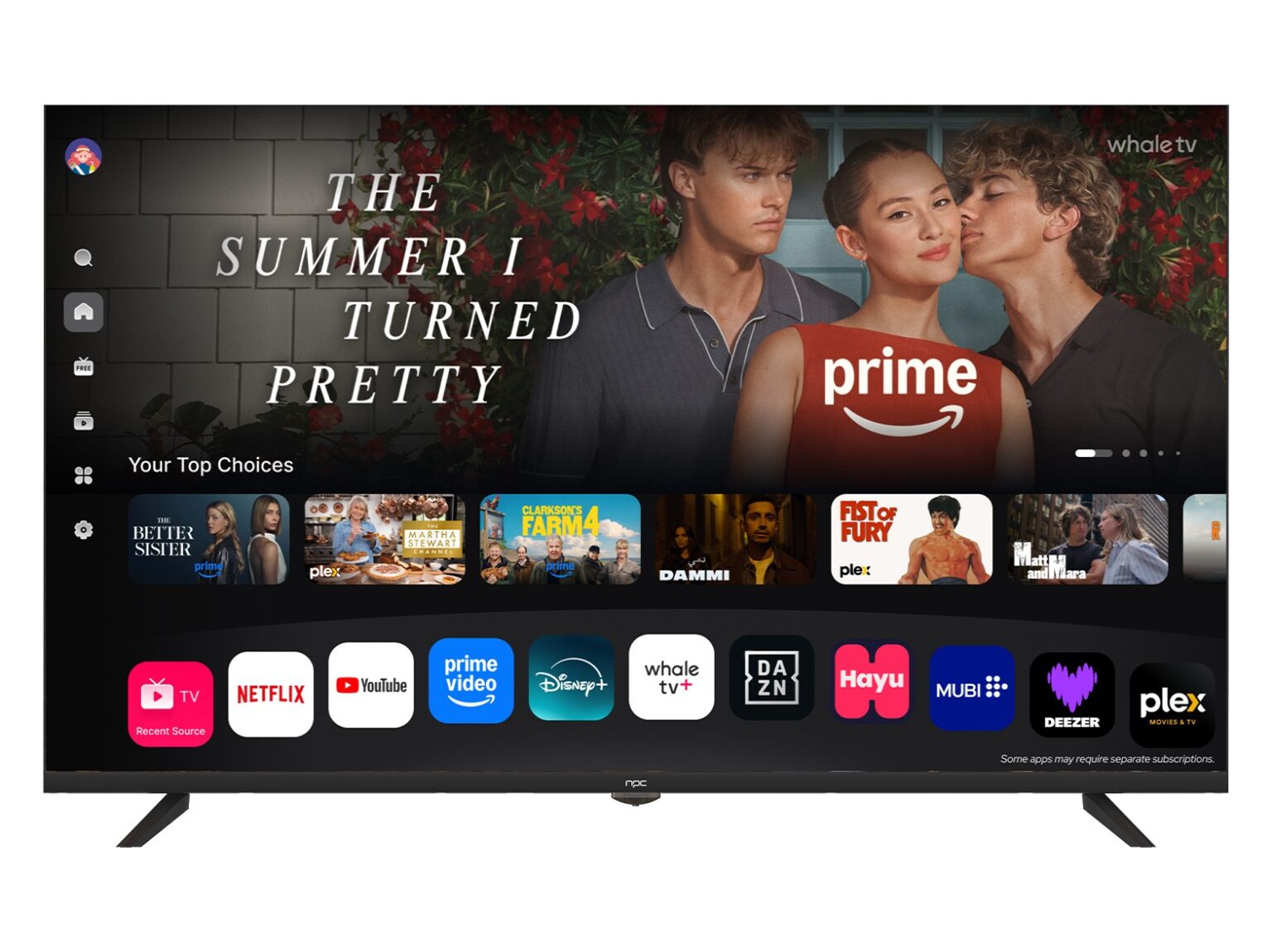
Picture quality: prefer true blacks and stable color over inflated brightness numbers. Sound: a thin cabinet will not replace a modest soundbar. Smart platform: check update cadence and app availability rather than feature lists. Inputs: ensure at least one HDMI 2.1 port if you play modern consoles. Warranty and service: confirm local repair options and parts availability. Size and viewing distance: measure the room first; larger is not always better if reflections or seating positions limit the view.
Expert judgement and a real-world anchor
Testing across many models shows the same patterns repeat: calibration matters more than a spec sheet, and firmware keeps a TV useful for years. Observations from displays showcased at CES in Las Vegas emphasize advances in local dimming and AI upscalers, but those innovations vary in real‑world benefit. For buyers who want sensible combinations of price and longevity, consider vendors that publish clear panel and backlight details—these are often the good tv manufacturers that support long-term value. My approach relies on structured lab checks—contrast ratio, input lag, and sustained luminance—paired with user feedback from living-room deployments.
Common mistakes buyers make
Buying only for peak brightness leads to disappointment when glare or blooming appear. Choosing a TV because of marketed names rather than measured performance ends in returns. Overvaluing smart features ignores that many platforms change after purchase. Skipping the question of after-sales service risks long downtimes for simple repairs. Do not fit a screen solely by diagonal; check how usable the picture is from normal seating positions.
Alternatives and practical trade-offs
OLED: best black levels and contrast for dim rooms; risk of burn-in with static UI elements if you rarely vary content. Mini‑LED: improved brightness and less halo in bright rooms, but expect some blooming in complex scenes. QLED/LED: cost-efficient, good for bright spaces, and generally longer lifespans. Soundbars and external calibration offer predictable gains when the built‑in speakers or factory settings fall short. Prioritize the single change that will most affect your daily viewing rather than chasing every new panel type.
Final guidance that helps you decide
Decide on the viewing habits first, match a panel type to that habit, then verify inputs, software support and service terms. Clear specifications and transparent support are the easiest way to avoid regret; many buyers find their choice confirmed when suppliers document parts and update commitments through partners such as npc.
