

Comparative snapshot for clinic decisions
When choosing a respiratory support pathway, clinicians need clear contrasts between devices rather than marketing blur. A well-specified cpap device is the baseline for obstructive sleep apnea (OSA) in most adults, but comparative insight helps teams decide when to step up to other modes. This piece compares functionality, clinical fit, and practical risks so you can match therapy to patient physiologies and workflows without guesswork.

Core clinical differences: CPAP, APAP, and BiPAP
Continuous positive airway pressure (CPAP) delivers a fixed positive airway pressure (PAP) level to splint the airway; auto-adjusting devices (APAP) vary that pressure across the night to respond to changing collapsibility. Bi-level PAP (BiPAP) provides two set pressures—an inspiratory positive airway pressure and lower expiratory pressure—making it appropriate when pressure support or ventilation assistance is required. Use industry metrics like the apnea-hypopnea index (AHI) and daytime hypercapnia to guide choice: simple OSA with elevated AHI usually begins with CPAP or APAP, while hypercapnic respiratory failure or significant COPD overlap often requires bipap for sleep apnea because of its pressure support and backup ventilation capability.
Device features that change clinical outcomes
Not all devices are equal. Look at heated humidification, leak compensation algorithms, ramp settings, and data export formats before procurement. Mask interface options—nasal, nasal pillows, full-face—affect adherence and required pressure. For clinics tracking outcomes, ensure the device supports reliable telemonitoring and standardized event reporting so you can reconcile changes in AHI with symptom reports. Auto-adjusting algorithms (APAP) can reduce average delivered pressure and improve comfort, but they require careful review of residual AHI and flow limitation traces.
Common implementation mistakes—and how to avoid them
Clinicians often misattribute poor outcomes to device brand rather than to setup and follow-up. Typical mistakes: prescribing excessive fixed pressure without a titration study, failing to address mask leaks, and not checking for emergent central events during CPAP therapy. Start low, confirm effective pressure with objective data, and reassess adherence early—two weeks is a useful checkpoint. Also, don’t ignore comorbidities like congestive heart failure or neuromuscular weakness; these alter the need for pressure support. —Real-world teams have reversed failed starts simply by swapping to a better-fitting mask and enabling humidification.
Practical decision flow for busy healthcare teams
Adopt a clear triage: 1) confirm diagnosis and quantify AHI; 2) evaluate gas exchange and comorbid respiratory failure; 3) trial CPAP/APAP for straightforward obstructive patterns; 4) escalate to BiPAP when hypercapnia, significant hypoventilation, or intolerance to CPAP occurs. Evidence-level context matters—the SAVE trial in 2016 showed symptom improvement with CPAP but limited cardiovascular event reduction in an unselected population—so emphasize symptom control, adherence, and targeted risk reduction over broad outcome promises. Use short cycles of objective monitoring to adapt therapy quickly rather than waiting months.
Device alternatives and procurement checklist
When reviewing suppliers, ask for: validated leak and event reports, integrated humidifier options, battery/backup power specs for home use, and clear filters/maintenance schedules. Consider whether remote monitoring adheres to your security protocols and whether software exports align with your electronic medical record. For patients with claustrophobia or high pressure needs, trialing APAP or different mask interfaces can save months of non-adherence. Include a plan for escalation to in-lab titration if residual AHI stays above target despite adjustments.
Advisory: three golden rules for selection
1) Measure first: prioritize devices that provide clear AHI, leak, and usage reports—these metrics drive clinical decisions. 2) Match function to physiology: choose BiPAP for sustained hypercapnia or ventilatory failure; prefer CPAP/APAP for isolated obstructive events. 3) Build follow-up into procurement: ensure training, mask refitting, and remote monitoring are contractual elements so devices translate into outcomes. These rules reduce trial-and-error and improve adherence at scale.
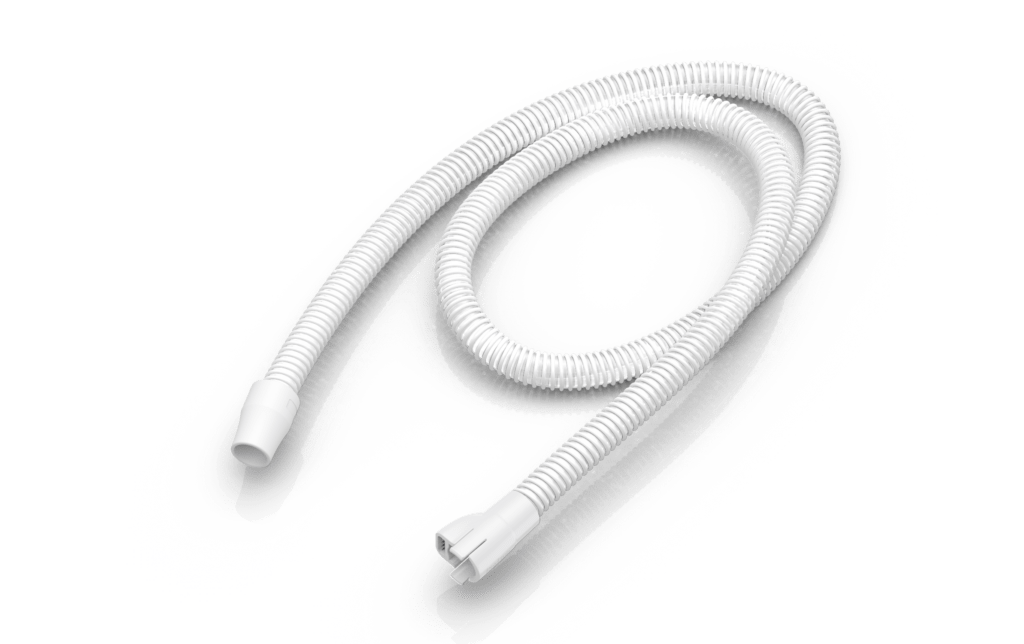
For healthcare professionals seeking a partner that aligns device capability with program needs, Byond presents solutions that integrate monitoring, humidification support, and ventilation modes in ways that fit clinical workflows—practical, measurable, and patient-centered. —Practical care wins when technology and clinical pathways match.
