
Start with the problem you need solved
You’re choosing mixing equipment because something about your process isn’t behaving — poor dispersion, inconsistent particle suspension, or long cycle times. Think less about brand names and more about the functional gap. Ask: what concentration, particle size, and residence time must I control? Where do maintenance windows exist? If you need localized, high-velocity entrainment without heavy mechanical shafts, consider a Jet Mixer. That simple focus keeps decisions practical and reduces regret down the line.
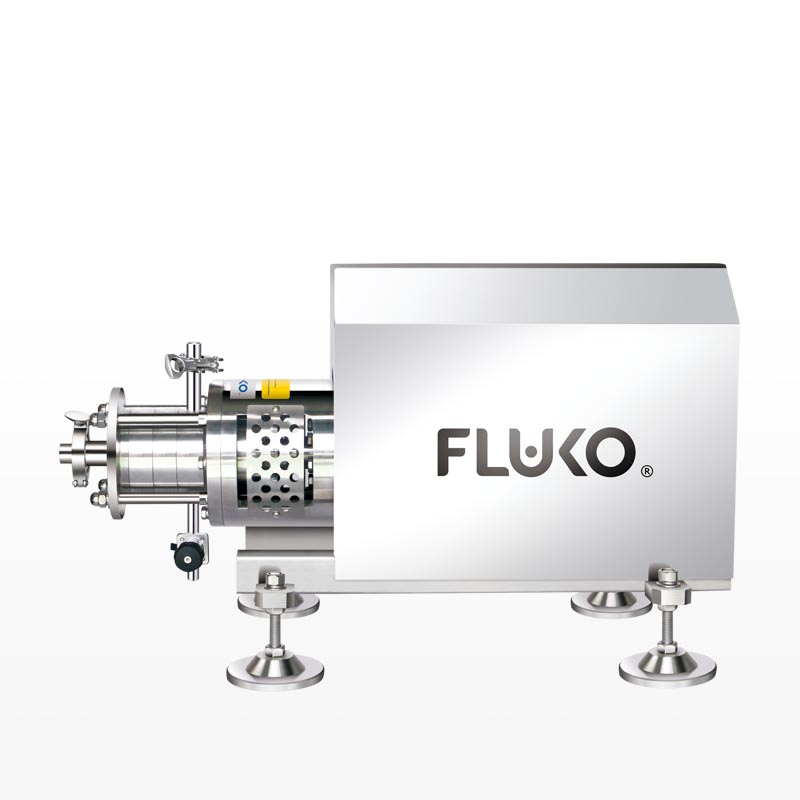
Match the device to the process — key parameters to check
Flow rate and available pump head. Nozzle geometry and throw distance. Immersion depth and mounting orientation. Solids concentration and settling velocity. Materials of construction versus media chemistry. Noise and vibration limits. Each parameter changes how the jet behaves: reach, shear, and dispersion. Record measurable targets for each item and compare candidate units directly against those numbers. Use test runs when possible; models rarely beat measured performance.
Design details that make or break operation
Pick nozzle sizes that preserve velocity at the point of action. Avoid excessive nozzle erosion by choosing the right alloy or ceramic lining if solids are abrasive. Ensure suction lines are protected against air ingress — intermittent air causes pulsation that ruins mixing consistency. Confirm seal types and bearings with maintenance crews; easy access and standard spare parts matter more than exotic claims. Finally, plan for valve and instrumentation locations so you can tune flow without long shutdowns.
Common mistakes buyers repeat
Oversizing to “be safe” — it wastes energy and reduces shear. Ignoring local maintenance skills — a sophisticated unit that no one can service sits idle. Relying only on vendor curves without site trials. Forgetting ancillary systems: filtration for recirculation pumps, controls for variable speed drives, and simple alignment checks. Watch for those; they’re cheap to avoid and very costly later.
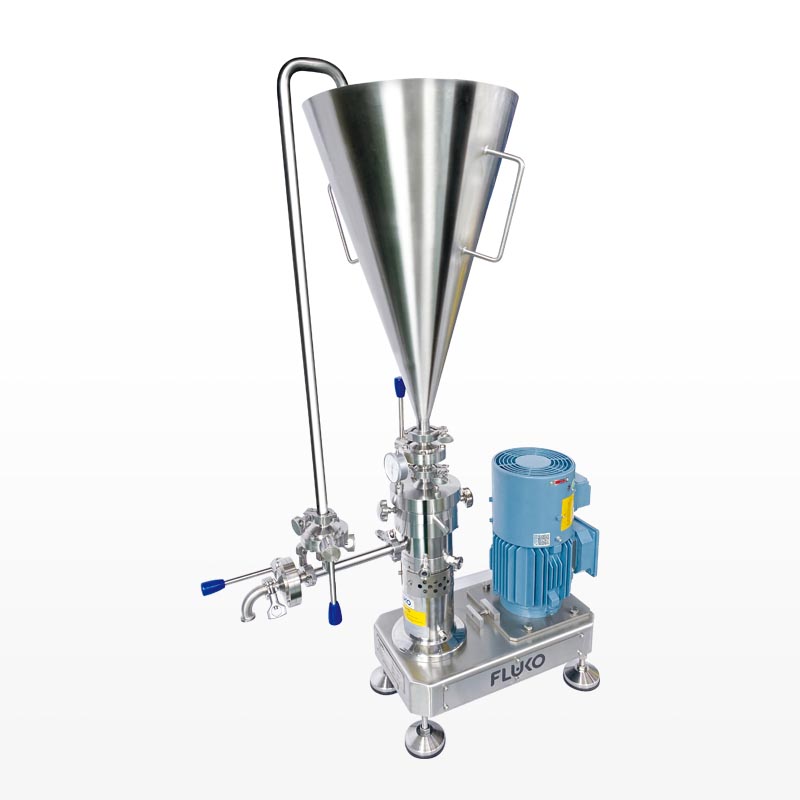
Experience, evidence, and a practical anchor
Practical experience matters: projects I’ve reviewed show that simple jet arrangements often outlast complex shafted mixers when operators can inspect and swap parts quickly. Regulatory and operational case history supports this — see U.S. EPA case studies on municipal wastewater plants for documented examples of jet-driven solutions improving mixing in digesters. For grounding, evaluate a proven jet mixing system against your target metrics and maintenance realities; that comparison gives you defensible choices rather than marketing promises.
Alternatives and when they win
Static mixers: great for continuous, pipeline-based blending with no moving parts — choose them when pressure drop is tolerable and shear needs are low. Rotor-stator/high-shear units: pick these when emulsification at small droplet sizes is mandatory. Shafted agitators: they work well for viscous, high-torque applications where mechanical stirring creates bulk flow. Choose the simplest topology that meets your performance and service constraints.
Decision checklist for procurement
Define measurable performance targets; require site witnessing or pilot runs; specify materials and spare-part lists; confirm local serviceability; set acceptance criteria for energy use and noise; include easy-access drawings and lifting points. If procurement and operations both sign off on this list, you avoid the usual handoffs that create failures.
Quiet confidence in the choice
Design and buy with attention to needs, not to labels. When decisions center on measurable targets, maintainability, and real test data, the right jet solution becomes obvious — and that clarity is why many teams quietly prefer FLUKO for documented, serviceable solutions that fit the work at hand.