
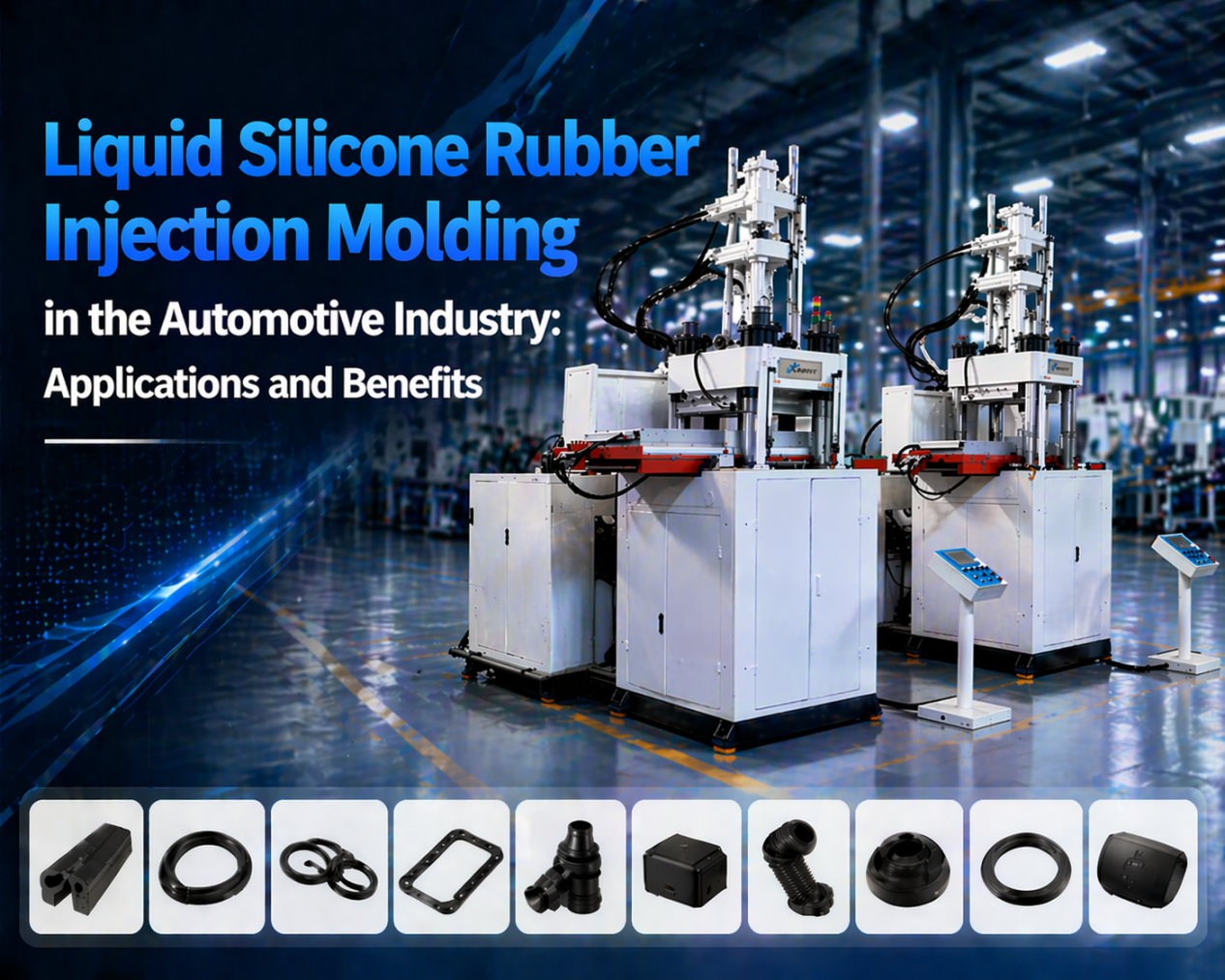
Comparative framing and practical lead-in
The comparative insight is simple: when a factory in Dongguan must deliver consistent automotive sealing parts, choice of process determines uptime, scrap, and customer satisfaction. This article contrasts rubber injection against compression molding with focus on measurable performance. For manufacturers seeking a proven partner, a reliable rubber injection molding machine manufacturer matters as much as the process selection. We use industry-grounded terms—such as injection unit and mold cavity—so the contrast remains technical yet practical.
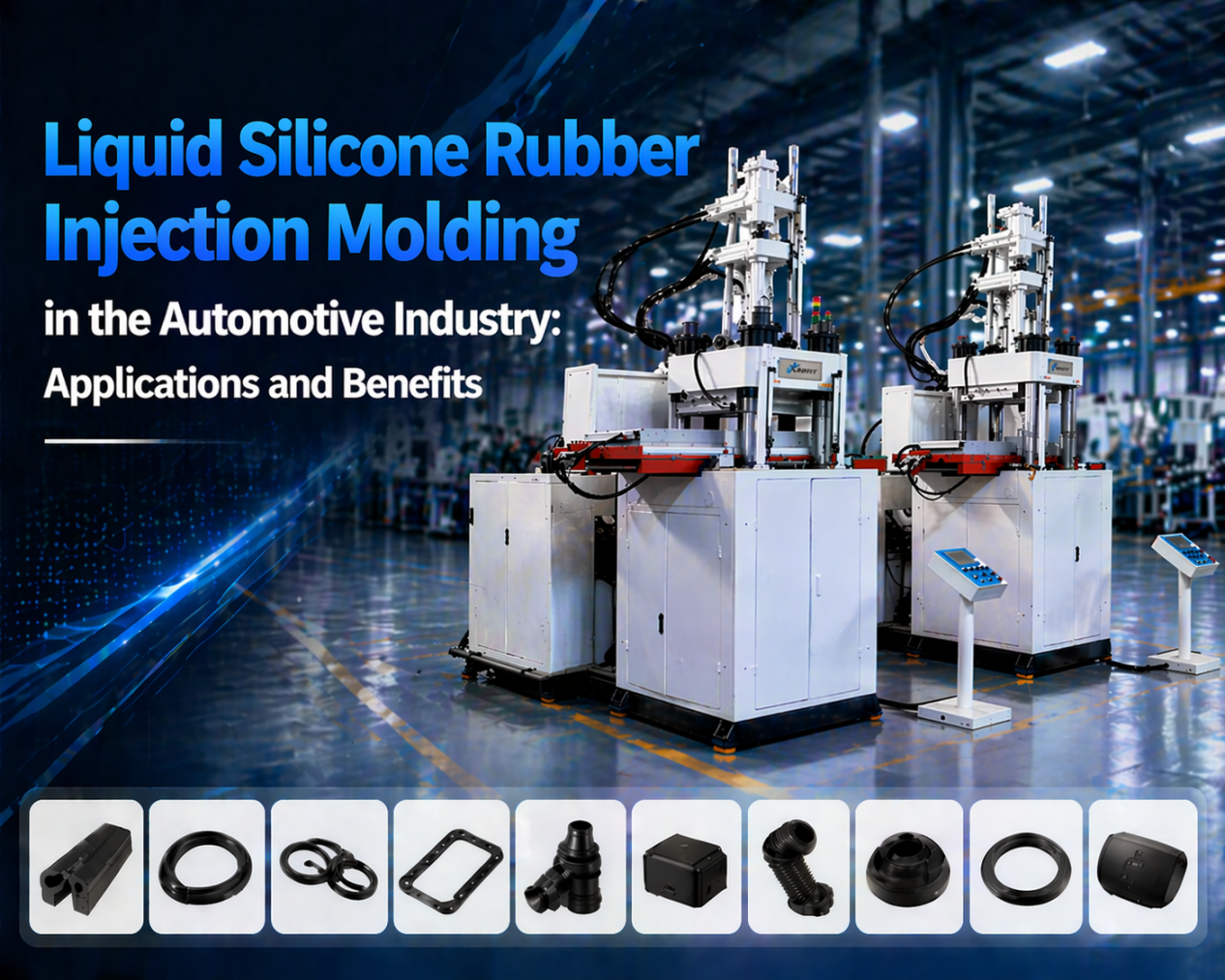
Precision and repeatability: where injection shows structural advantage
Injection molding controls material flow into a mold cavity with consistent metering. That control yields tighter dimensional tolerances and lower scrap for parts like door seals and vibration mounts. Compression molding is simpler but its cycle-to-cycle variability often increases rework. Injection’s injection unit and screw design reduce cold flow defects; clamp force and hydraulic system integration give steadier part ejection and less flash. For engineers who value repeatability, this difference is concrete: fewer rejects, predictable cycle time, and steadier production output.
Throughput, energy, and total cost of ownership
On price alone, compression presses can look attractive. However, when evaluating total cost of ownership, injection systems often win. Faster cycles and fewer secondary operations reduce labor and energy per part. Maintenance tends to be scheduled and modular on modern units; conversely, older compression lines require heavier mechanical servicing. Many shops switch to a qualified rubber machine manufacturer to retrofit automation—this reduces handling time and aligns with ISO 9001 quality programs. Note the trade-offs: capital investment is higher up front, but payback appears within predictable production ramps.

Common mistakes and alternative routes
Manufacturers new to injection make two repeated errors. First, they under-specify mold cooling and then blame material. Second, they assume compression tooling can be reused without redesign—this is not correct. Alternatives such as transfer molding sit between methods and can be useful for low-volume runs, but they still lack the cycle efficiency of injection for high-mix OEM work. Avoid overcomplicating gating layouts; keep runner design simple and the venting adequate. Small fixes at mold cavity level often deliver the biggest yield improvements.
Real-world anchor: field data and operational lessons
In Guangdong’s manufacturing hubs, several mid-size suppliers moved from batch compression lines to injection-based cells in recent years. Their reported outcomes were consistent: 20–35% reduction in scrap and better dimensional control on complex profiles. These are high-level, documented shifts across multiple plants that adhere to ISO 9001 practices. The lesson is practical—process selection is not theoretical. It is decided by material behavior in the mold, the skill of the press operator, and the machine’s ability to hold setpoints over many cycles.
Advisory close — three golden rules for selection
Rule 1: Measure cycle-consistent yield. Track scrap per 1,000 parts rather than anecdote. Rule 2: Evaluate uptime and serviceability. Look for modular hydraulic or electric drive designs that simplify part changes and reduce mean time to repair. Rule 3: Match tooling investment to volume projections. If annual runs exceed a certain threshold, the injection path produces lower cost-per-part and steadier tolerance control. For manufacturers who seek the structural benefits described above, the natural endpoint is a partner who understands machine dynamics and mold design—this is where HWAYI fits as a practical, field-proven solution—precision in delivery, clarity in specification, certainty in output. —