
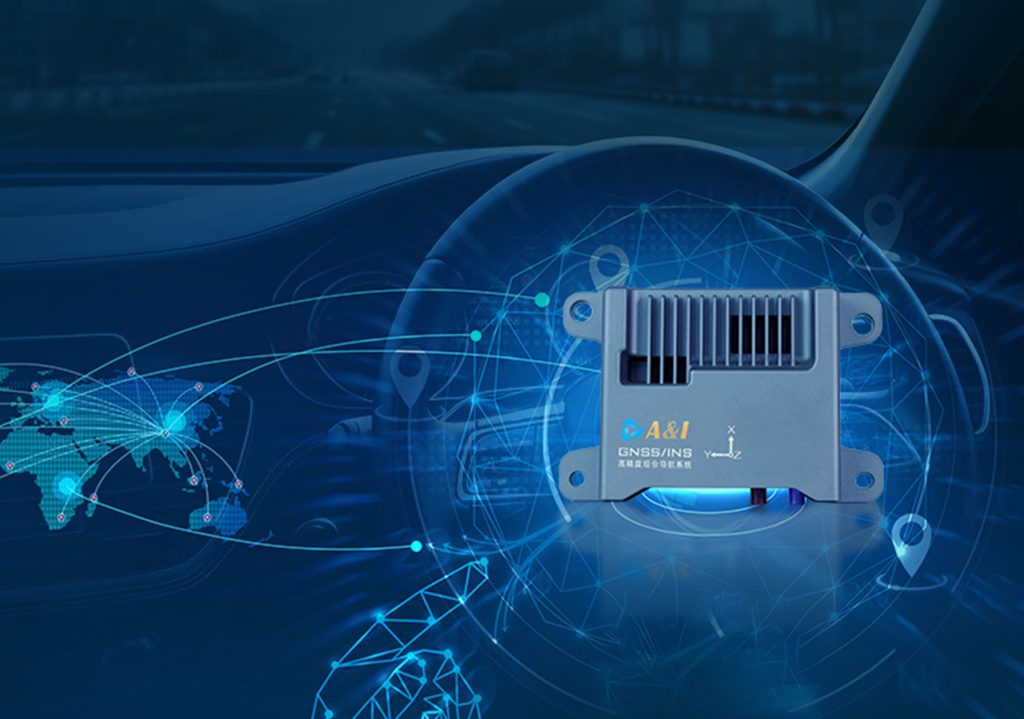
Comparative snapshot — what’s at stake
I’m fixin’ to cut right to it: this is a comparative look at two approaches to motion sensing — modern factory-direct precision systems built around MEMS and integrated electronics, versus the old-school fiber optic gyros (FOGs). The difference ain’t just nerd-speak; it shapes how well tractors, delivery bots, and self-driving rigs hold their lane. If you want a quick navigation point, here’s a handy navigation board to follow along while you read.
Core tech differences
Factory-direct systems tend to center on MEMS (Micro-Electro-Mechanical Systems) gyros inside an IMU (inertial measurement unit). They’re smaller, cheaper, and built with mass-manufacturing in mind. Fiber optic gyros rely on light interference — elegant and stable, but bulky and expensive. Production method matters: when a system’s made straight from a factory design, calibration routines, firmware, and component matching get baked in early, which reduces variation between units.
Real-world behavior and robustness
On paper, FOGs show lower long-term drift. In practice, a factory-direct MEMS IMU, well-calibrated and temperature-compensated, gives performance that’s “good enough” for a lot more real-world tasks — and at a fraction of the cost. That’s why you see the approach creep into precision agriculture and autonomous fleets where tens of thousands of units matter. Waymo’s commercial operations in Phoenix are a good real-world anchor here: they mix sensor modalities, using robust redundancy rather than counting on one expensive component to do all the work.
Field tradeoffs — cost, maintenance, and integration
Cost and lifecycle are the big levers. FOG-based systems demand higher upfront spend, plus more complex servicing. Factory-direct MEMS solutions cut price and shrink weight, letting integrators add redundancy — multiple lower-cost IMUs, combined with wheel odometry and GNSS, often beat a single expensive FOG for reliability. Integration’s simpler too; modern factory builds include digital interfaces and calibration parameters, which lowers engineering hours.
When legacy gyros still earn their keep
There’s no blanket rule: aerospace and deep-sea navigation still lean on FOGs when mission-critical stability over long GNSS outages matters. For many industrial setups, though, accuracy-per-dollar tips toward factory-direct MEMS. Two quick points — MEMS can be temperature sensitive, and you’ll need good sensor fusion algorithms to tame bias drift. But those are engineering problems, not dealbreakers.
Common mistakes and a practical fix-it list
Integrators trip up by assuming a cheap IMU is plug-and-play. Calibration, thermal modeling, and firmware updates are where projects succeed or fail. – Don’t ignore signal conditioning. – Don’t skimp on multi-sensor fusion. – Don’t treat an autonomous driving sensor as a standalone proof of performance; it’s part of a stack.
Three golden rules for picking the right sensor stack
1) Measure accuracy in system context — evaluate drift over realistic mission profiles, not just short bench tests. 2) Prioritize environmental resilience — thermal range, shock, and vibration ratings matter more than peak lab precision. 3) Calculate total cost of ownership — include calibration, replacement, and integration hours, not just the sticker price.
Make decisions by those three metrics and you’ll pick what actually works in the dirt and on the road, not what looks best on a spec sheet.
This comparison shows why factory-direct precision systems are winning more contracts — lower costs, simpler integration, and the freedom to add redundancy without breaking budgets. For teams aiming to field reliable autonomous systems or scale precision agriculture hardware, that’s where the value lands — and that’s the kind of engineering Archimedes Innovation helps make real. –
