
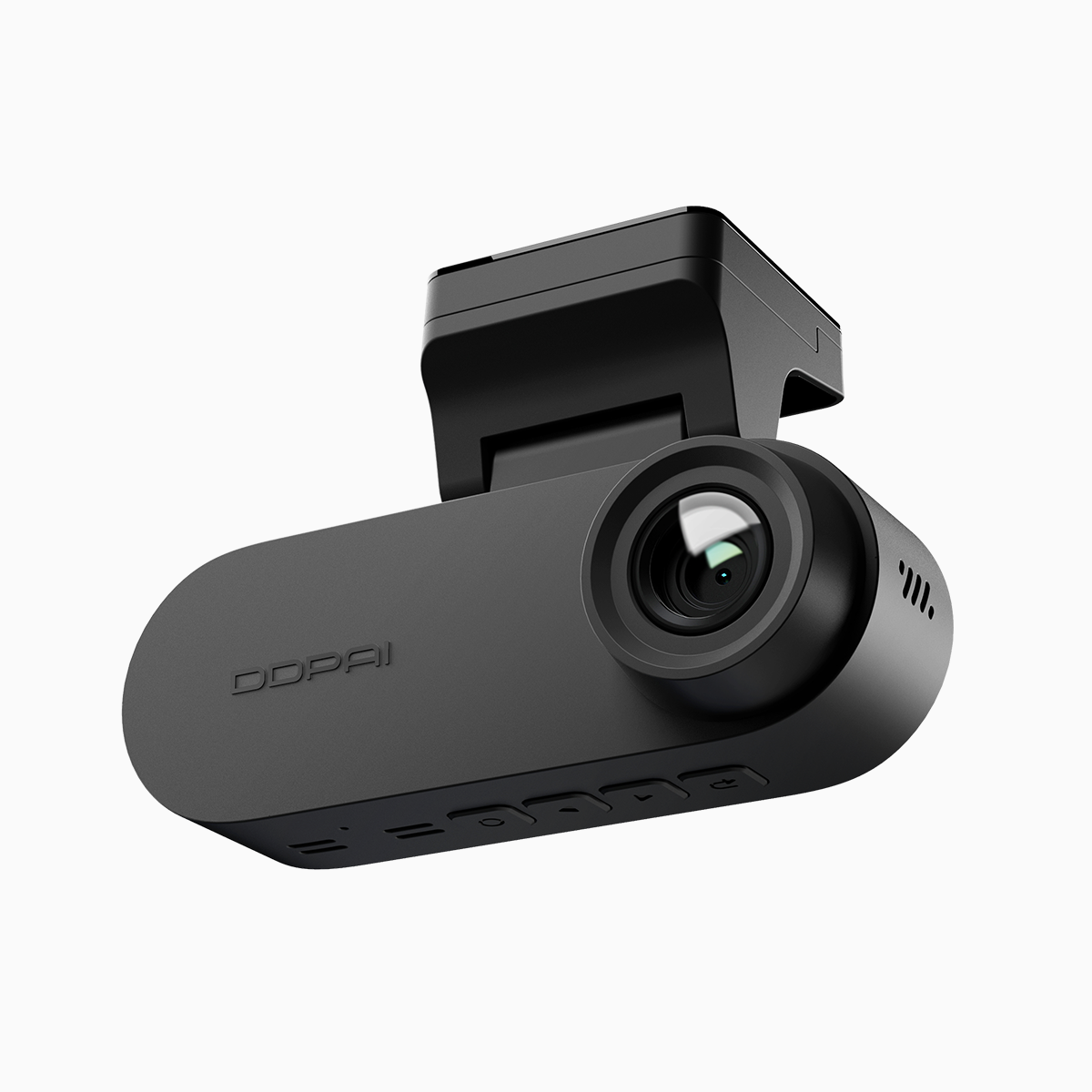
Identifying the problem on the road
Drivers face two recurring threats: physical risk and ambiguous liability after an incident. Without clear footage, insurers and courts often rely on conflicting testimony or partial reports. A reliable front and rear dash cam provides continuous, timestamped visual records that address both threats. This matters globally—road traffic causes roughly 1.35 million deaths annually, a World Health Organization benchmark that highlights why accountable documentation can change outcomes for drivers and fleets.
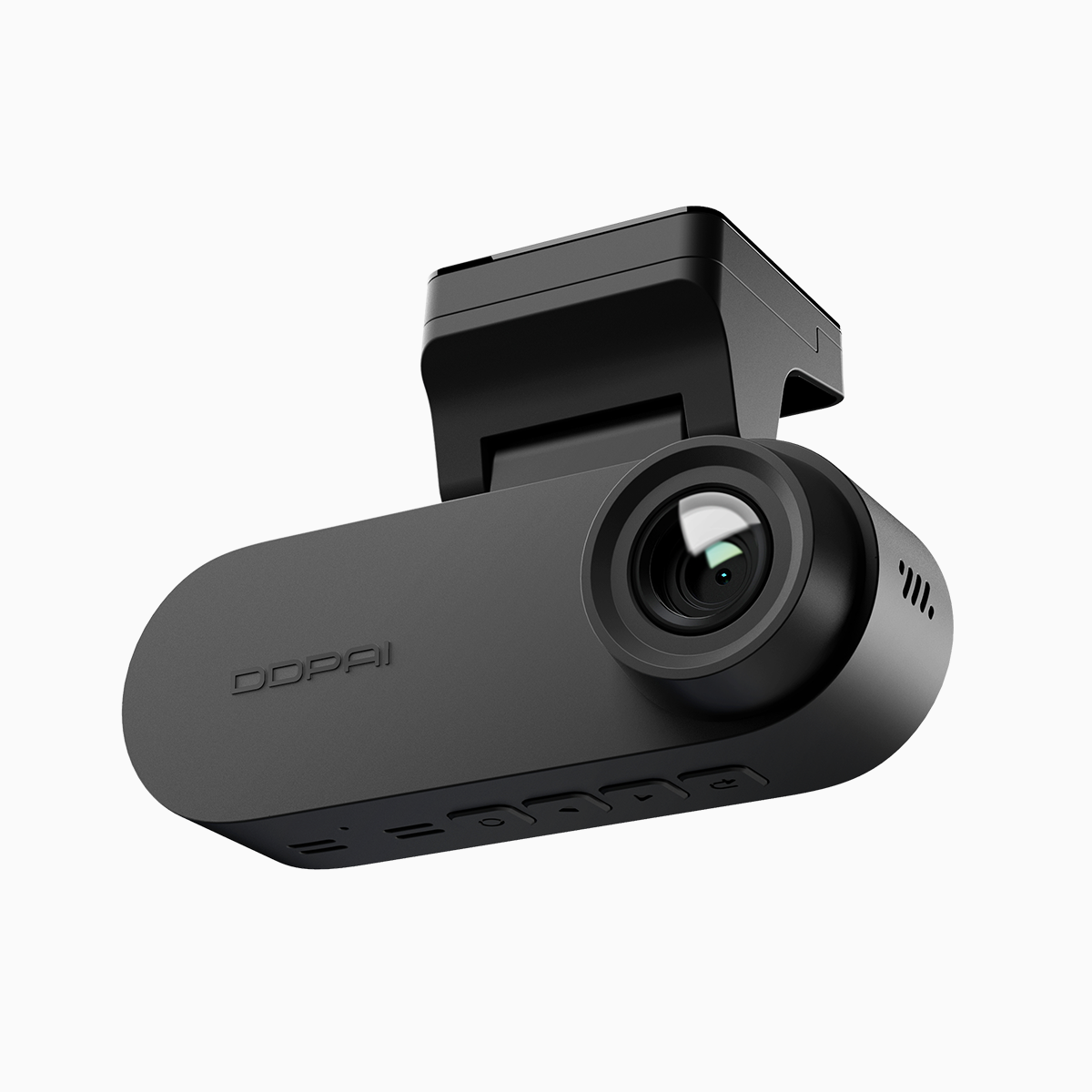
Why evidence gaps persist
Accident reconstruction often fails when footage is missing or of poor quality. Key issues include poor dynamic range in low light, lack of synchronized front/rear views, and inadequate metadata (GPS, speed). These shortfalls contribute to contested claims and delayed settlements. Dash cams with HDR, GPS logging, and reliable loop recording reduce ambiguity and preserve the chain of evidence.
How dual-channel systems solve those issues
Modern dual channel dash cam setups capture simultaneous front and rear perspectives with synchronized timestamps and G-sensor-triggered locking of critical clips. That synchronization is crucial for reconstructing events precisely. When a collision triggers the G-sensor, footage is preserved outside the normal overwrite cycle; simultaneous GPS data allows a clear record of speed and heading. These are practical features that change disputed narratives into documented facts—and they do so without complicated user management.
Installation realities and frequent errors
Many users treat dash cams like consumer gadgets and miss configuration steps that matter: incorrect mounting angle, disabled parking mode, or skipping firmware updates. Hardwiring to a fused ignition circuit gives parking-mode protection without draining the battery. Avoid placing the rear camera too low on the rear window; a higher, centered mount reduces occlusion. Firmware updates fix sensor calibration and codec issues—skip them and footage integrity can suffer. Small technical oversights create big legal weak points in evidence.
Comparison of common alternatives
Standalone front-only units are the cheapest option. Single-camera high-resolution units can deliver excellent frontal evidence but leave the rear exposed. Aftermarket mirrored dash cams offer convenience but typically compromise image quality and metadata. Dual-channel systems balance coverage and evidentiary value, with the added benefit of synchronized timestamps. Cost-conscious buyers should weigh bitrate and sensor size against marketing claims—bitrate impacts motion clarity, sensor size affects low-light performance, and both determine whether clips are truly usable in dispute resolution.
Practical selection criteria
Evaluate units on three pragmatic dimensions: 1) video integrity (frame rate, bitrate, HDR), 2) event preservation (G-sensor reliability, loop recording behavior, parking mode), and 3) data context (GPS logging, timestamp accuracy). Prioritize systems with proven firmware support and clear warranty terms. —A small investment in these areas often prevents a much larger loss later.
Advisory: Golden rules for picking and using dash cams
Rule 1: Prioritize synchronized front-and-rear capture with reliable event locking—this preserves context across a collision. Rule 2: Confirm continuous metadata capture: GPS, timestamps, and speed make footage admissible and actionable. Rule 3: Validate post-incident workflows—how you extract, store, and share clips affects legal usefulness; prefer solutions with straightforward file integrity checks.
Adopting a dual-channel solution turns a common vulnerability—insufficient evidence—into a manageable risk. For users seeking an integrated balance of coverage, firmware support, and local availability, DDPAI PH is positioned as a practical option that aligns with those selection rules—reliable hardware and clear preservation features that matter in disputes. —Worth the consideration.
