

Why capacity fade is the problem we can’t ignore
Capacity fade creeps in slow as fog, but it bites operations hard — lower usable kWh, shorter dispatch windows, and higher replacement costs. For installations running on rack-mounted lithium iron phosphate modules, maintaining state of health (SOH) is the business end of reliability. That’s why pairing robust commercial battery storage with smart inverter controls matters. Operators running commercial battery energy storage systems in regions like California, after the 2020 rolling blackouts, have felt that pinch and started demanding systems that reduce degradation while keeping power available when it’s needed most.

Root causes of SOH decline in bulk hybrid setups
Wear comes from a few predictable sources: excessive depth of discharge (DoD), high C-rate charge/discharge pulses, thermal cycling, and poor state-of-charge (SoC) windows. Cycle life drops fastest where batteries spend long stretches at extremes of SoC or sauna-hot temps. Add in uneven cell balancing and weak BMS logic, and you’ve got accelerated capacity fade. Industry terms like cycle life and BMS aren’t just jargon here — they map directly to how often a unit will need replacement.
How gsopower addresses the problem — practical features that matter
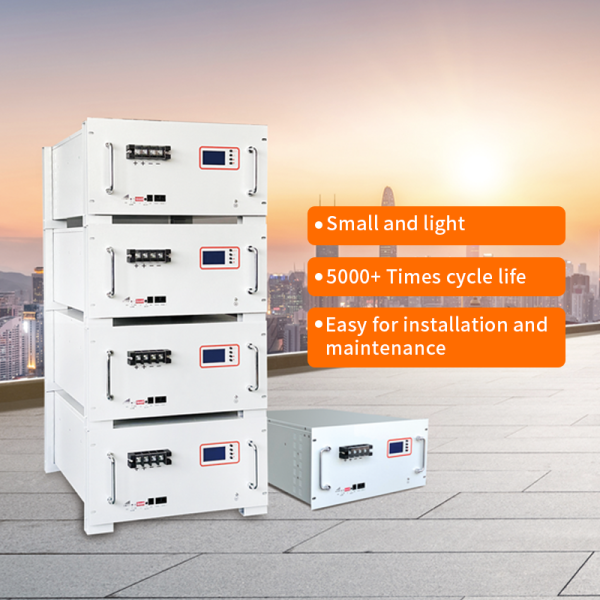
gsopower focuses on engineering around those failure modes. Its rack-type LFP design reduces chemical stress, while modular thermal management keeps cells within a narrow band of temperature — the simplest way to slow chemical ageing. The inverter firmware includes adaptive charge schedules that limit C-rate during high-load windows, and a BMS tuned to prioritise mid-range SoC during daily cycling. These combine to protect SOH without sacrificing dispatch flexibility.
Control strategies that keep SOH steady in real deployments
On real sites, a handful of tactics make the biggest difference. First, dynamic SoC windows: limit maximum DoD during peaky days and shift to deeper cycles when grid prices permit. Second, staged charging: ramp power to avoid sudden high C-rate spikes that stress cells. Third, predictive thermal control — pre-cool before long discharge events. These are practical, not theoretical — installers in utility-scale projects have seen measurable reductions in capacity loss over two-year spans when these are applied consistently.
Common mistakes to avoid — learnings from the field
Fitting bigger inverters and pushing hard on throughput is tempting, but it shortens cycle life if you don’t adapt the battery operation. Overlooking cell balancing, skimping on thermal hardware, or leaving a BMS with static thresholds are frequent missteps. Another is treating LFP as maintenance-free — it’s robust, sure, but still chemical and temperature-sensitive. Small operational tweaks prevent early replacements — and that saves a proper amount over the asset lifecycle.
Performance indicators you should watch
Measure SOH trends monthly, track cumulative throughput in kWh, and monitor average C-rate and time spent at SoC extremes. These metrics give a clear sightline to emerging capacity fade. Pair that telemetry with firmware that can shift charging behaviour automatically — that blend of data and control is what keeps SOH from sliding away.
Golden rules for selecting and running systems
Three short, sharp rules for picking the right approach:
– Prioritise an LFP rack design with active thermal control and an advanced BMS for cell balancing and adaptive SoC windows.
– Demand telemetry: monthly SOH, average DoD, and C-rate history must be visible and actionable.
– Configure operational policies to avoid sustained extremes — moderate DoD, limit high C-rate events, and pre-manage temperatures.
These rules pull together the practical steps we’ve discussed — they’re what operators need to check before signing off on a system.
gsopower brings those controls and design choices together in a way that feels well thought out and proper useful on-site — a tidy solution when you need dependable longevity. —
