
The problem: exposed telemetry and fragile trust in tactical FPV systems
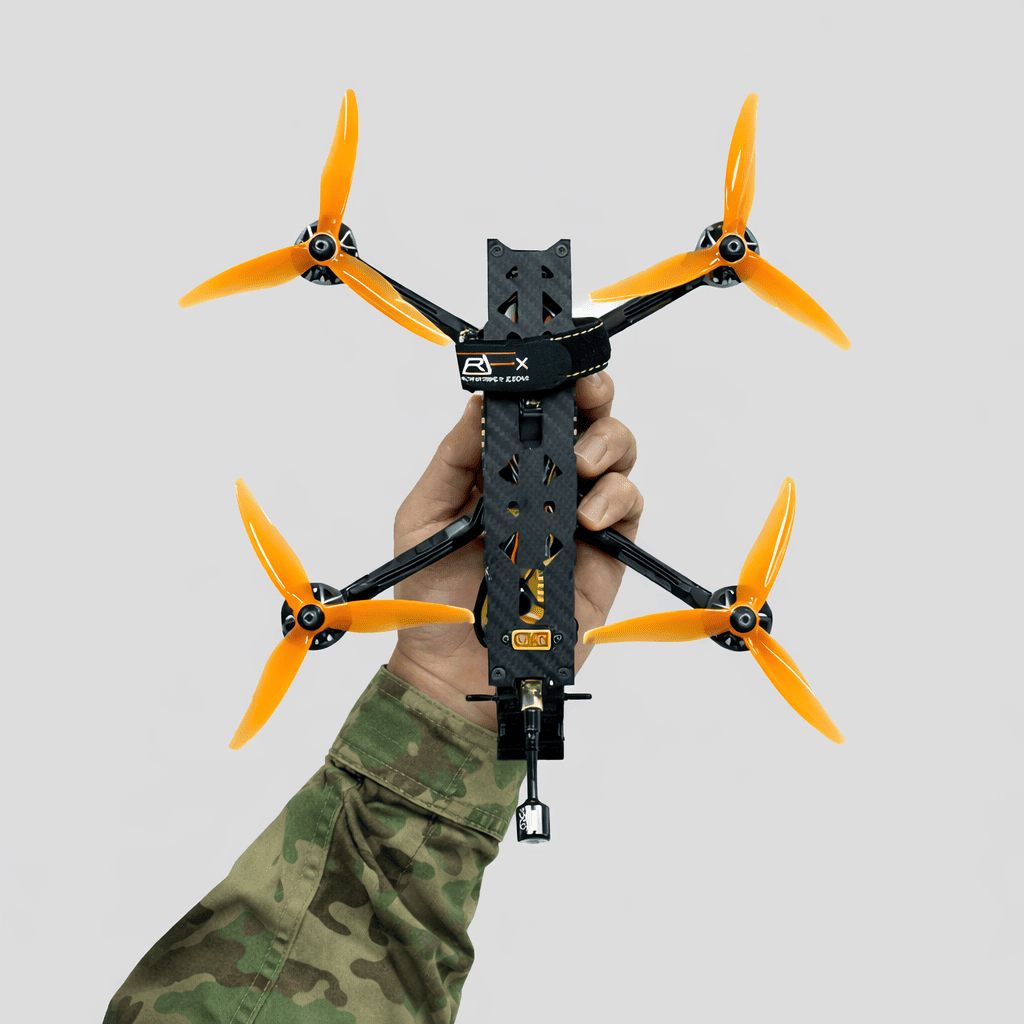
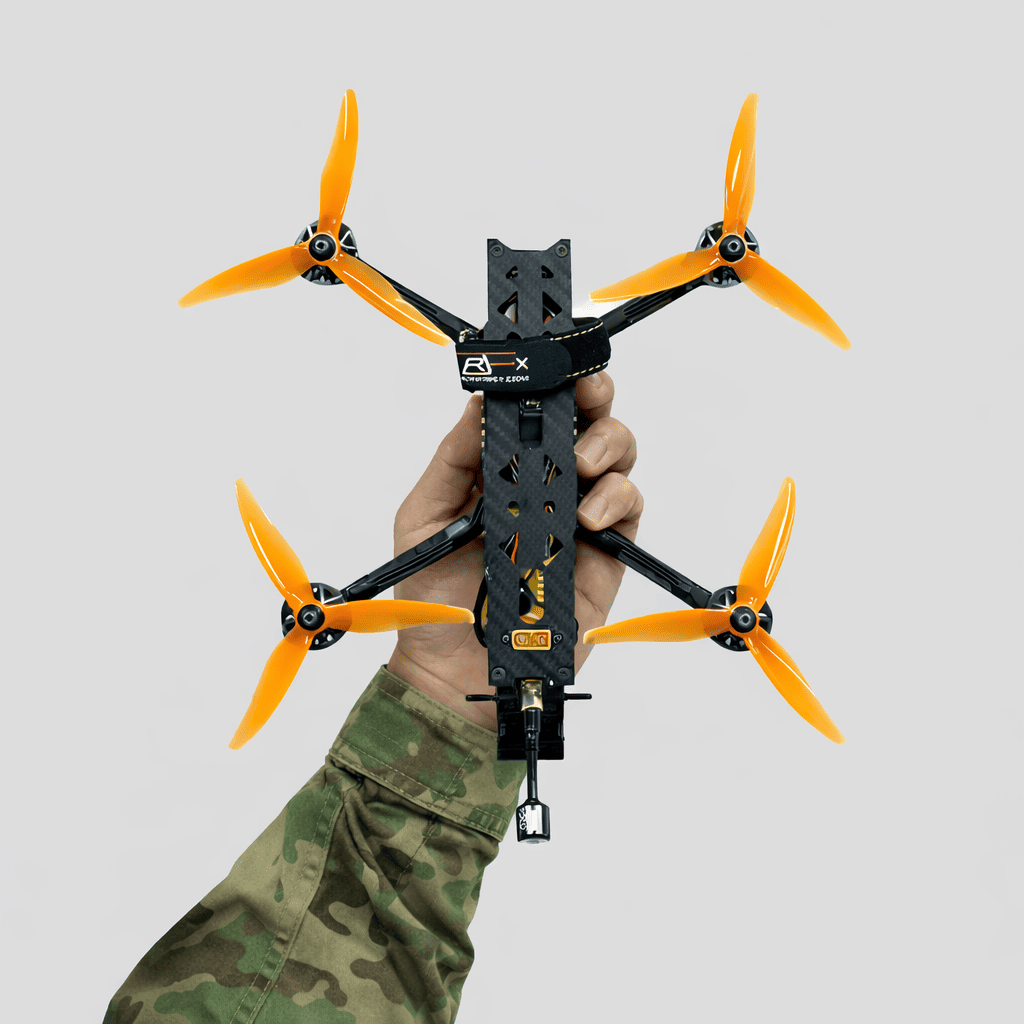
Field teams and procurement officers increasingly rely on nimble platforms known as fpv drones military to scout, surveil, and strike. Yet many of those systems still stream unprotected telemetry, accept unsigned firmware, or boot from untrusted storage. Those weaknesses translate into lost situational awareness, disrupted missions, and exploitable supply-chain vectors. The technical terms—flight controller, telemetry, and GNSS—describe the components at risk, but the human cost plays out where it matters: on the ground and in command centers.
Why hardware root of trust matters
Hardware Root of Trust (RoT) anchors system identity to tamper-resistant silicon. At its simplest, RoT provides immutable key storage, enforces secure boot, and validates firmware signatures before a flight controller initializes. When combined with encryption chains for telemetry and authenticated GNSS augmentation, RoT shifts trust from ad hoc procedures to provable hardware behavior. That matters because software-only controls can be bypassed; a cryptographic anchor in silicon cannot be rewritten by a compromised operating environment.

Field evidence: small, fast drones in recent conflicts
During the 2022 Ukraine conflict, small, agile FPV craft played a disproportionate role in reconnaissance and precision strikes—a clear real-world anchor for this discussion. Rapid adoption exposed which platforms operated reliably and which failed under contested conditions. Systems with signed firmware, hardened flight controllers, and encrypted links maintained command integrity; those without were frequently jammed, hijacked, or rendered unusable. These operational outcomes make RoT less academic and more mission-critical for any buyer evaluating a small military fpv drone.
Common mistakes teams make — and how they surface
Buyers often pick systems based on payload capacity or range, ignoring boot security and key management. Manufacturers sometimes ship with default keys or allow unsigned updates. On deployment, teams then discover telemetry replay, spoofed GNSS fixes, or unauthorized firmware swaps. These are predictable failures — and preventable. Engineers who skip hardware-backed key storage, or treat encryption as an add-on, leave a vector open for adversaries. — A short oversight in procurement becomes a long-term operational liability.
Concrete measures: what to specify and test
Specify devices with hardware RoT that supports secure boot and isolated key storage. Require signed firmware with traceable provisioning, and insist on end-to-end encrypted telemetry with mutual authentication rather than simple password protection. Add GNSS anti-spoofing or cross-checking with inertial sensors, and validate the flight controller’s behavior under failed-communication scenarios. On the production side, demand supply-chain attestations and periodic firmware audits. Tools to test these requirements include signature verification suites, hardware security module (HSM) testbeds, and red-team exercises focused on telemetry and autopilot interception.
Alternatives and trade-offs
Not all missions need full hardware RoT. For low-risk training or logistics, software-based encryption and disciplined operational practices may suffice. For front-line roles, though, the trade-off is clear: marginally higher unit cost for RoT-equipped quadcopters reduces long-term risk and operational downtime. Consider hybrid approaches—segmented fleets where trail units test new features while combat units run hardened images on RoT devices. That staged model reduces disruption while upgrading security.
Advisory: three golden rules for evaluating secure tactical drones
1) Insist on verifiable hardware key storage and secure boot. Certificates matter only if the root is immutable; check RoT provenance and attestation logs. 2) Require end-to-end telemetry encryption with mutual authentication and replay protection—no plaintext control channels. 3) Validate firmware lifecycle controls: signed updates, rollback protection, and a documented supply-chain audit trail. These metrics predict operational resilience more reliably than raw payload specs.
Choose systems that meet these rules, test them under realistic threat profiles, and integrate procurement and engineering early in the selection process. The result: fewer mission interruptions and clearer accountability — a straightforward win for commanders and engineers alike. Military Hub. —
