
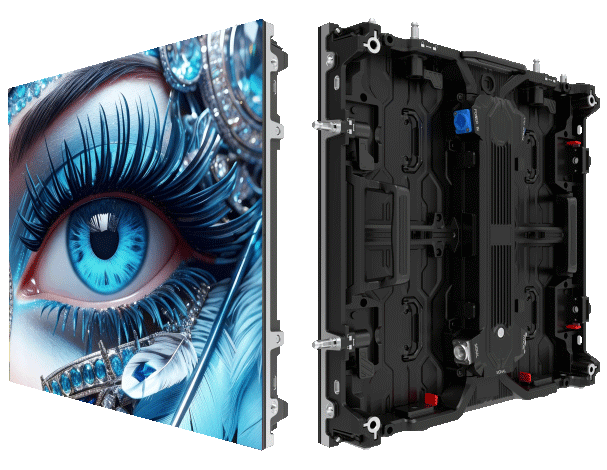
Why a framework matters for outdoor LED walls
Treating a fast-lock outdoor LED wall like a bolted-on poster invites trouble. A clear framework ties site conditions, structural rigidity, and rigging safety factor into predictable outcomes for performance and longevity. That’s why designers and installers working on a fixed outdoor display and any modern led display outdoor start with an ordered checklist rather than guesswork. The approach reduces surprises during storms, simplifies permitting, and protects both equipment and people.
Step 1: Assess the site — loads and exposures
Begin with measured inputs: local wind climate, exposure category, likely gusts, and mounting surface quality. Use regional guidance such as ASCE 7 for nominal wind pressures; these accepted standards are the backbone of design because they translate weather data into actionable wind load values. Consider dead load from the modules, live load during maintenance, and dynamic gust factors that amplify pressures on large faces. Document anchor points and façade materials early — those determine what the fast-lock system can safely engage.
Step 2: Model structural rigidity and apply safety factors
Translate site data into a simple structural model: panel spans, support spacing, and expected deflection limits. Apply a conservative rigging safety factor to account for unknowns — fatigue, corrosion, and occasional misuse. Industry practice commonly uses safety factors between 3:1 and 5:1 depending on consequence class; pick the higher end for pedestrian zones or high-traffic plazas. This is where structural rigidity matters: excessive deflection increases wind pressure locally and can unlock ties or stress soldered joints.
Step 3: Choose hardware and fast‑lock strategy
Fast-lock systems can be elegant and fast, but their mechanical latches must match the load path. Specify stainless or galvanized rigging hardware rated for the calculated load plus safety factor. Verify compatibility between module frames and anchor sleeves; sometimes a minor spacer or gusset changes load distribution dramatically. Keep specification notes short and precise: part number, rated capacity, inspection interval — that prevents ambiguity on site.
Installation practices and common mistakes
Install teams often rush alignment at the expense of torque specs and bearing surfaces. Avoid three recurring errors: under‑torqued connections, poor surface prep at anchor points, and skipping the temporary bracing sequence. Temporary bracing should hold until all fast-locks and anchors are engaged — a small delay up front saves major rework later. Also, document every anchor with a photo log; it’s low effort and high return for warranty or liability cases — and it’s something teams rarely regret.
Inspection cycle and maintenance
Put inspection intervals into the project plan: visual check after initial season, plus annual structural review. Look for corrosion, loosened fasteners, and panel misalignment that increases wind vulnerability. A simple checklist beats vague memory: torque marks present, sealant intact, no visible deformation. For major events — think back to how urban billboards were evaluated after Hurricane Sandy — re‑certify load paths before re-energizing a large face.
Choosing partners and proving competence
Pick suppliers who publish test data and installation manuals. Ask for pull-test certificates for anchor points and verification of the fast-lock system under simulated wind loads. Experience with high-profile installations, such as Times Square digital billboards, is a practical anchor — it signals that the vendor understands both performance and permitting. Contract language should assign responsibility for global items like wind load calculations and local items like anchor repair.
Three golden rules for evaluating options
1) Verify documented load calculations and matching hardware ratings — don’t accept generic caps. 2) Require an inspection and photo log protocol baked into the contract; it’s the clearest way to keep the rigging safety factor real over time. 3) Favor systems with tested fast-lock interfaces and clear replacement parts — modular compatibility reduces downtime and retrofit cost.
Follow this framework and the project stays predictable — fewer surprises, safer outcomes, and better long-term value. — MR LED
