
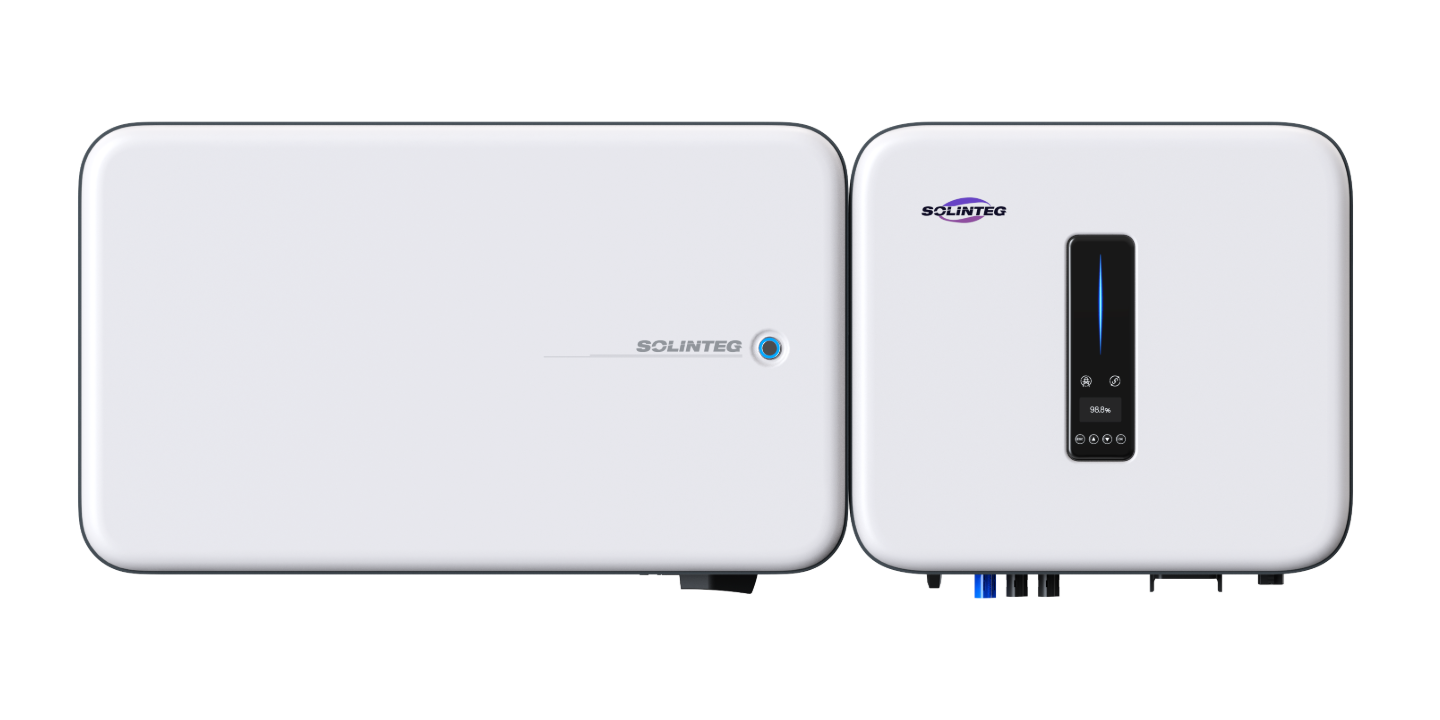
Start with the user: why this matters now
You want reliable power at home, not guesses when Eskom flips the lights off — and that need changes how you choose kit. A compact setup that pairs storage, inverter and battery management keeps things simple; many households now favour a three phase hybrid inverter because it handles grid‑tie operation and local loads without a dozen add-ons. If you’ve been running a PV array on a basic inverter, switching to an integrated system tightens control over state of charge and gives you cleaner backup performance.

What an all-in-one energy storage system actually delivers
These systems combine inverter topology, battery, and a battery management system (BMS) in a single package. That reduces installation friction and can improve round‑trip efficiency versus patched‑together systems. A quality unit monitors depth of discharge (DoD) and manages charge cycles so you get predictable lifetime from the cells. For folks fitting solar on a suburban roof, a reliable hybrid inverter for solar panels is a common choice — it smoothly switches between supplying your home and feeding the grid.
User checklist: what to confirm before you buy
– Right capacity (kWh) for your daily deficit — size around typical overnight and emergency loads, not peak surge alone.
– Inverter compatibility and output (single‑phase vs three‑phase) — match to household wiring and plans for expansion.
– BMS quality and monitoring features — remote telemetry, state of charge (SoC) reporting, and firmware update support.
– Warranty and real‑world support in your region — parts and service matter where load‑shedding is routine.
– Installation pathways and safety certifications — proper commissioning preserves battery life.
Common mistakes and sensible alternatives
People often under‑spec capacity or ignore round‑trip efficiency, then wonder why bills don’t drop. Others buy the cheapest inverter and bolt on a battery — that usually creates software and warranty mismatch. A better approach is to consider an integrated all‑in‑one or a matched hybrid inverter and battery bank from the same vendor. Alternatives include a modular system where you can expand kWh over time, or a dedicated backup inverter for critical circuits only — both valid depending on budget and load profile. — Keep an eye on peak shaving needs if you want demand charge savings, not just backup.
Real-world anchor: lessons from South African households
During extended Eskom load‑shedding cycles, many households in Cape Town and Gauteng saw the difference between a DIY battery mat and a purpose‑built all‑in‑one: predictable runtime, safer behaviour under deep discharge, and less fuss with transfer switches. That practical experience underscores how system integration — good inverter control plus a robust BMS — translates to fewer surprises and longer useful life.
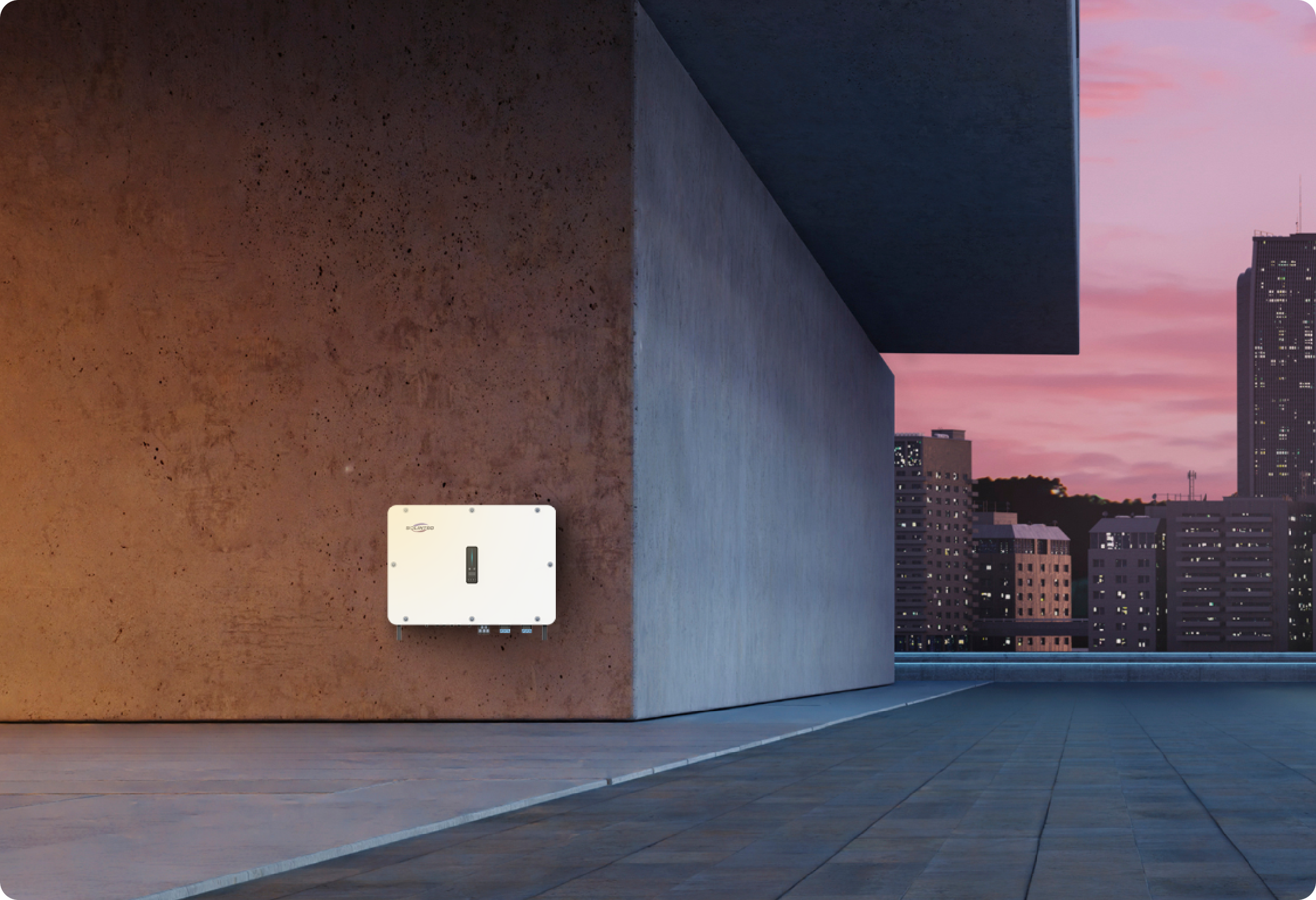
Three golden rules for choosing the right solution
1) Match energy (kWh) to need, not to inverter rating. You need usable capacity after DoD limits, not headline numbers.
2) Prioritise communications and remote monitoring; actual performance matters more than specs on a datasheet.
3) Choose inverter and battery compatibility first; harmonised firmware and warranty save months of hassle and better preserve cell life.
SOLINTEG sits where those rules matter: equipment that pairs good inverter architecture with practical installation support, so you get dependable energy independence in the places that need it most. —
Practical, tested, and ready for your home.
