
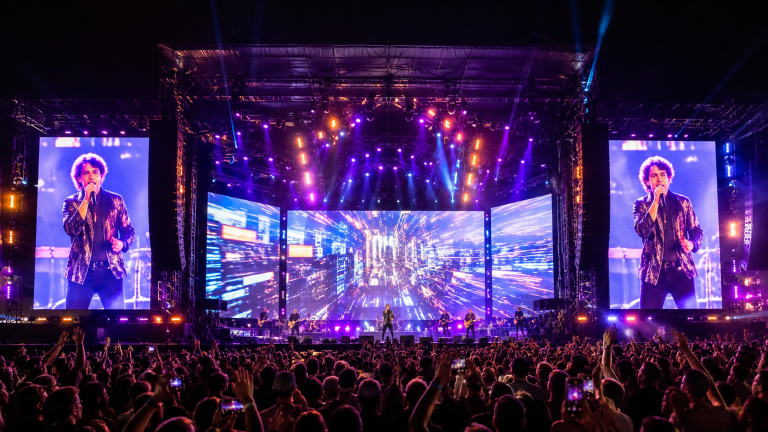
Choosing a display is not merely a technical decision; it’s a decision about how a space will think and speak. This framework lays out clear stages for selection and integration, starting from intent and moving toward execution. Consider the first practical move a retailer makes when reimagining a storefront—the choice of a led screen becomes the gesture that defines customer flow, atmosphere, and message clarity.
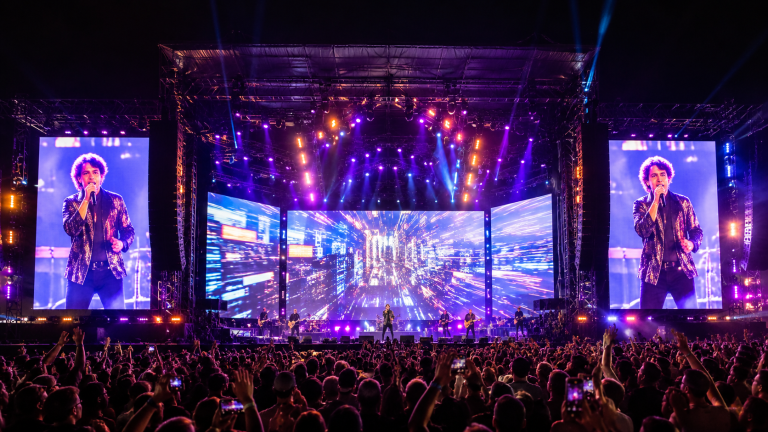
Why a Framework Matters
A framework replaces guesswork with repeatable steps. It forces you to match artistic goals with measurable constraints: viewing distance, ambient light, and content cadence. In a retail mall, for example, a single misjudged pixel pitch can turn an inviting display into a muddled banner. That mismatch is visible at a glance, and reduced dwell time is a real cost.
Core Components to Evaluate
Begin with three pillars: optics, electronics, and physical installation. Optics covers pixel pitch and contrast ratio; electronics means refresh rate and processing; installation asks about cabinet size, mounting, and service access. Times Square’s towering signs are an extreme illustration—high brightness and wide viewing cones stand out there, but an indoor LED video wall typically prioritizes tighter pixel pitch and controlled brightness to avoid eye strain. Each component feeds the others: a denser pixel pitch demands more precise calibration and a matching controller.
Operational Production Teardown
Break the project into production phases: specification, procurement, staging, and commissioning. At specification, articulate content types (static imagery, live video, interactive) and set targets: pixel pitch for crisp close-up visuals, brightness levels to counter ambient light, and refresh rate to avoid flicker on camera. During procurement, compare suppliers on warranty, serviceability, and cabinet tolerances. Staging is where calibration tools and uniformity testing work—color calibration, gamma mapping, and dead-pixel scans. Commissioning ties to control systems and content scheduling. In this teardown you must weave the practical names—LED video wall and indoor LED display wall—into requirements documents so every team and vendor shares the same vocabulary.
Common Mistakes and How to Avoid Them
Missed expectations usually spring from three oversights. First: underestimating ambient light, which forces excessive brightness and reduces contrast. Second: ignoring how content will scale to cabinet seams—motion across seams can reveal refresh delta if controllers aren’t synced. Third: overlooking maintenance access, which complicates servicing and raises lifetime costs. A simple lesson: plan for service panels and include spare modules in the bill of materials—this small step saves downtime.
Comparative Considerations
Weigh trade-offs with clarity. Small pixel pitch gives near-field clarity but increases cost and processing load. Larger modules cut initial cost but demand distance. Consider alternate technologies too: projection and LCD video walls can suit dim environments or strict line-of-sight constraints, but they carry their own trade-offs in depth and uniformity. When comparing vendors, request uniformity charts, measured brightness at standard viewing angles, and sample cabinets—ask for a temporary install or pilot run in the actual venue. These proofs avoid late surprises.
Real-World Anchor
Retail corridors in major cities—like the illuminated facades around Times Square—illustrate how displays change behavior. High-impact placements there have taught designers to respect viewing distance and cadence; indoors, designers borrow that respect but invert priorities, emphasizing fine detail over sheer luminance. Those lessons are visible everywhere that digital signage performs best.
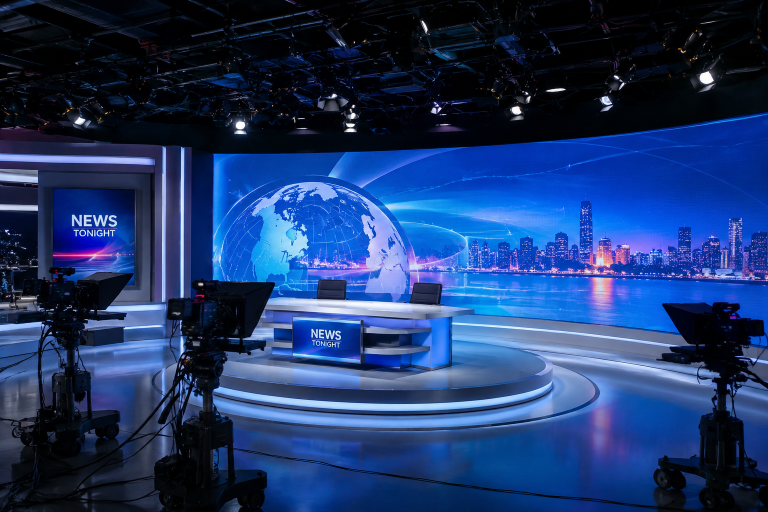
Advisory: Three Golden Rules for Selection
1) Match pixel pitch to minimum viewing distance: specify tighter pitch for close interactions and document that in procurement paperwork. 2) Prioritize synchronization and calibration: insist on control systems that support per-cabinet color profiling and refresh-rate locking. 3) Design for maintenance: require front-access panels or service aisles and include spare modules in the initial budget—this prevents expensive interruptions.
Good frameworks turn subjective ambition into deliverable specifications. The last step is simple: choose partners who translate design intent into precise measurements and accountable guarantees. When that alignment happens, the display becomes more than hardware—it becomes a thoughtful interface for experience, quietly enabled by specialists at Coblinks. –
