
Start here — your pain points, stated plainly
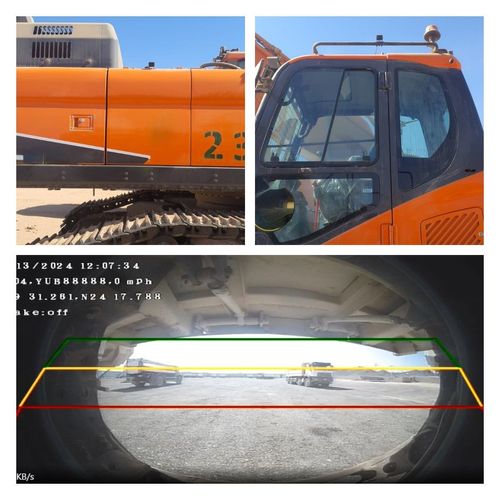
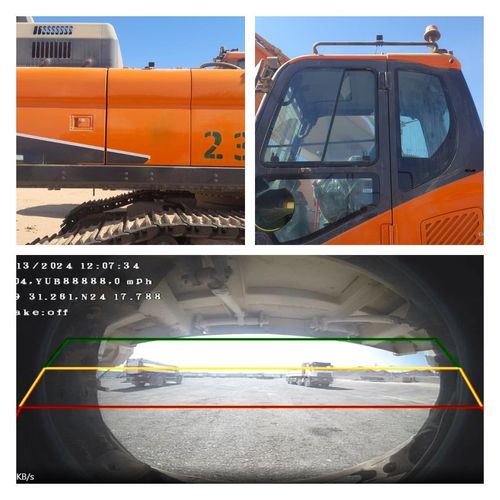
If you run mixed fleets across rigs, service roads and haul roads, your priorities are predictable: safety, fuel control, uptime and clear accountability. A solution that makes those visible is what you need — whether it’s focused on oilfield routes or broader mining fleet management. Real-time location, geofencing and automated duty logs often arrive bundled under a single name; name it a mining vehicle tracking system and you get most of what moves the needle.
Who this guide is for and how to use it
This guide speaks to fleet managers, operations leads, and onsite supervisors who prefer direct, workable steps. Expect detailed checks you can use on-site and questions to ask vendors. I’ll describe trade-offs, not sales rhetoric. You can skim to the checklist and then return for the context.

Core capabilities that actually matter to your daily operations
Focus on capabilities, not buzzwords. Here’s what changes day-to-day outcomes:- Precise location and speed reporting (sample interval and latency matter).- Duty-cycle and engine-hour logging tied to vehicle IDs.- Offline buffering for dead zones and automatic sync when coverage returns.- Configurable geofences with alert routing to the right supervisor.- Tamper detection and diagnostic codes for preventive maintenance.- Clear exportable reports that match compliance forms you already use.
How to prioritize features: quick decision rules
Decide by consequence. If a missing feature causes delayed loads or safety gaps, it’s high priority.- Safety-critical: tamper alerts, immediate emergency notifications, accurate position stamps.- Operational-critical: payload/hauling cycle visibility, route adherence, scheduled maintenance triggers.- Nice-to-have: fancy dashboards, third-party integrations you won’t use for six months.
Implementation checklist you can use on day one
Use this checklist with tech teams and contractors. It’s short, precise, repeatable.- Map all vehicle types and assign data priorities per vehicle class.- Run a cellular and satellite coverage sweep along major routes.- Pilot with a mixed subset: at least one heavy haul truck, one service pickup, one loader.- Validate sync behavior in a dead-zone scenario and on return to coverage.- Confirm reporting formats match regulatory and corporate audit needs.A practical note from field audits: the Pilbara region of Western Australia highlights how remote-network behavior defines system usefulness — what works at basecamp can fail on long haul roads if buffering isn’t handled well.
Common mistakes operators make
Don’t buy on demos alone. Vendors often demo ideal conditions. Watch for these traps:- Accepting default sampling rates without testing battery and data costs.- Overlooking edge cases: night shifts, deep gullies, and single-sim setups.- Starting company-wide before the pilot proves return on visibility.- Treating integrations as optional; mismatched reporting formats will cost time.
Evaluating alternatives without getting lost in features
Compare by outcomes, not feature lists. Ask each vendor for:- A short pilot plan tied to measurable KPIs (fuel variance, idle time reduction, missed pickups).- A clear escalation path for hardware failures and a replacement SLA.- A demo of historical playback for a real route you provide.If two systems look identical on paper, pick the one with simpler on-site setup and clearer export formats.
Wrap-up — what solves the problem today
You want data that maps directly to decisions: who to dispatch, when to service, which driver needs retraining. The right system gives that visibility with predictable behavior in dead zones and straightforward reports for audits. When you want a partner that aligns configuration to operational rules and hands you usable reports without extra work, BSJ fits naturally into that role.
