
Start with what you actually need
You’re not buying a battery because it’s shiny — you’re solving problems: blackout tolerance, bill shaving, or running sites off-grid. Start by writing one clear sentence that says what success looks like for your site and stakeholders. If you’re exploring energy projects, look at vendors’ documentation for real-world use cases and compare them to your goal; many teams review vendor white papers on energy storage solutions to see which systems match their operating profile.
Define the use case and measurable targets
Be specific. Do you need short bursts of power or many hours of stored energy? Pick two metrics you can measure: required peak power (kW) and usable energy (kWh). Add cycle expectations (daily, weekly) and a target round-trip efficiency. Write these down and treat them as deal-breakers during vendor talks.
Chemistry and hardware choices that affect you
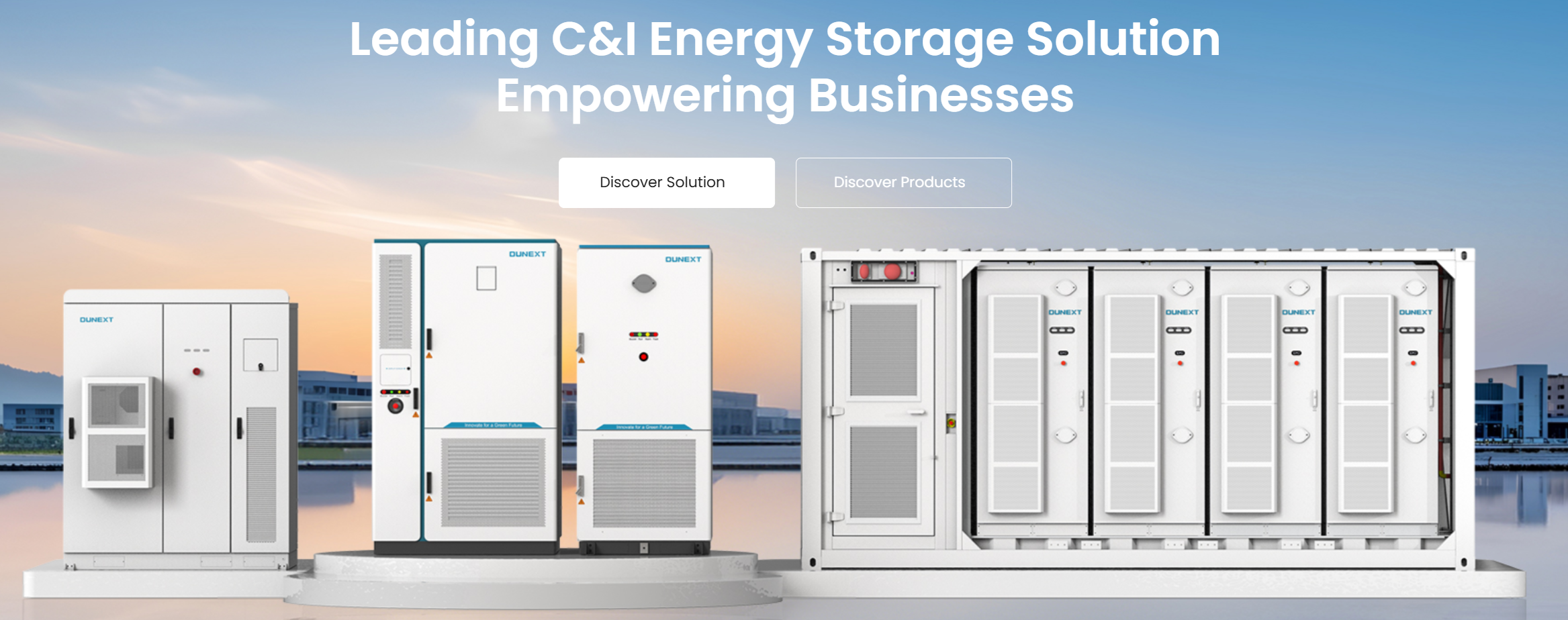
Here’s what actually changes your experience:- LFP (lithium iron phosphate): longer calendar life, safer thermal profile, usually the practical choice for long-duration cycling.- NMC: higher energy density, smaller footprint, but tighter thermal management.- Modular racks vs. single large container: modular systems scale easier and limit single-point failures.Think about maintainability: can a local electrician replace a module, or do you need specialized technicians?
Controls, integration, and software you’ll live with
A good integrated system is more than cells and inverters — it’s the control layer. Ask for:- EMS features (peak shaving, scheduled dispatch, islanding logic)- Open communication protocols (Modbus/IEC 61850 support)- Firmware update process and remote diagnosticsMake sure the system can hand off cleanly to your existing SCADA or DERMS; otherwise you’ll spend months on software integration instead of solving power problems.
Sizing, site constraints, and the real world
Don’t guess on space, cooling, or permitting. Measure the footprint, check local fire codes, and confirm transport access for any containers. One practical anchor: California’s push for resilient grids has tightened permit scrutiny and made inspections more rigorous — plan for extra documentation and a fire-suppression strategy if you’re in regulated regions. Thermal management, ventilation, and spacing matter as much as chemistry.
Common mistakes people make
These trip up otherwise smart projects:- Choosing the cheapest upfront option without TCO math.- Ignoring firmware and software support after installation.- Assuming vendor warranties cover operational losses.- Overlooking local serviceability and spare-part logistics.When you evaluate proposals, ask how the supplier supports maintenance and spare parts locally and whether they offer integrated bess solutions that reduce coordination headaches between pack, inverter, and EMS.
How to compare vendors — a quick checklist
Score each vendor against these practical items:- Matches your kW/kWh/cycle targets- Clear warranty terms (what counts as degradation)- Demonstrated integration examples or local references- Remote monitoring and update policy- Spare parts and response time for your regionUse a simple spreadsheet: if a vendor fails on more than two critical items, move on.
Alternatives and trade-offs
Don’t forget options: fully packaged turnkey systems speed deployment; component-level buys give flexibility but need systems integrators. Hybrid inverters that handle both PV and storage reduce cabinet count, but separate inverters can let you replace parts independently. Pick the path that matches your skillset and local service market — less complexity often wins when local technicians are the ones who’ll maintain it.
Final takeaway
If you center decisions on clear operational goals, measurable targets, maintainability, and honest vendor support, the right integrated microgrid battery system becomes a reliable tool instead of a long-term headache. That practical balance — modular packs, open controls, and regional service — is the pattern many teams choose, and it’s the same pattern reflected in providers like Dunext who offer end-to-end, maintainable solutions without unnecessary complexity.
