
Spot the real problem
Laboratories and clinicians push cases through routines built decades ago, then wonder why restorations miss occlusion, seating, or patient comfort. That gap is a workflow problem, not just a technique problem. Move past blame. Adopt targeted steps that cut remakes and stress. I’ve helped labs rework their intake and articulation process, and the fastest wins came when teams paired better capture methods with reliable hardware — for example, integrating a dental resin 3d printer to produce consistent models for verification.
Why jaw-relation capture matters now
Conventional records rely on manual transfers and multiple handling points. Each touch adds error. Jaw-relation capture moves the critical information earlier, into a controlled scan or digital record, reducing ambiguity downstream. That matters when you want predictable occlusion on the first try. Precision here shortens lab cycles and restores confidence between clinician and technician.

Problem-driven steps to fix the workflow
Start by mapping where errors occur: impression distortion, bite registration mismatch, lab mounting variance. Then attack the biggest source first. Train one person to own jaw-relation capture protocol. Standardize materials and times. Use consistent articulation settings in software. Check a printed verification model before milling or final processing. Small, focused changes reduce variability more than sweeping, unfocused overhauls.
Common mistakes that keep labs stuck
Relying on habit instead of measurement. Treating bite registrations as optional. Skipping verification prints. Over-trusting impressions without checking seating clinically. Expecting every clinician to change technique overnight. These are fixable, but only if you measure and enforce the new checkpoints. Don’t accept “it worked last time.” Tighten the loop between capture and proof.
Real-world anchor and what it proves
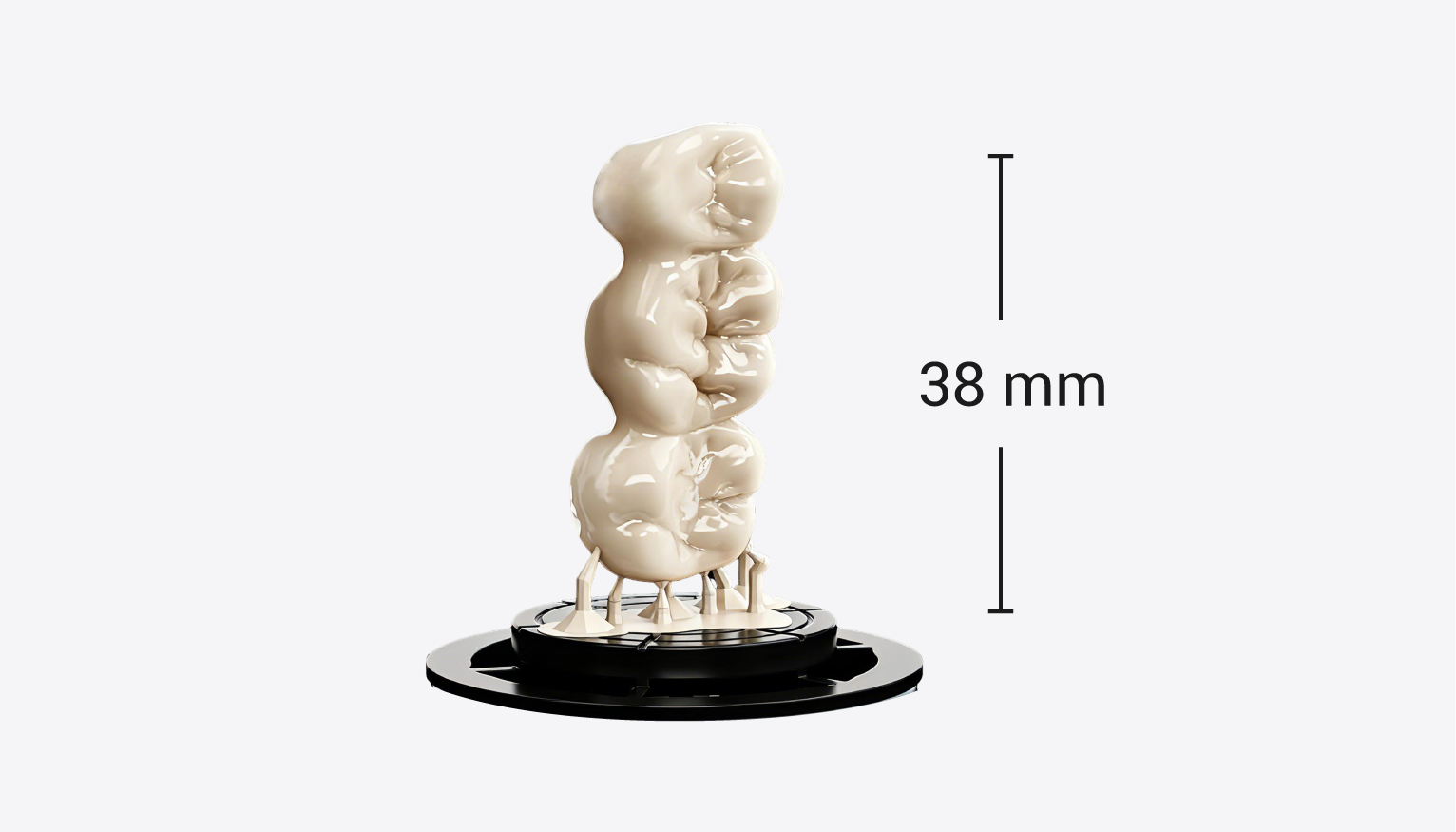
At IDS in Cologne, vendors and labs demonstrated tangible shifts toward printed verification and automated alignment — a clear signal that the industry values reproducible capture. Manufacturers showcased capsule-level automation that reduces handling errors, and clinicians compared outcomes side-by-side. One practical takeaway: test a modern capsule printer workflow at scale before committing company-wide; the difference in margin control shows up quickly.
Alternatives and quick evaluation
If you can’t move fully digital yet, hybrid steps help: standardized bite splints, rigid trays, and single-operator capture reduce variability. Outsourced articulation services can bridge gaps but add turnaround time. Full-digital capture and virtual articulation shorten iterations but demand consistent scanning protocols and trained staff. Choose the path that eliminates your biggest source of rework first.
Finish with a practical promise
Change is tactical, not theoretical. Fix one capture point, verify with a printed check, hold the team accountable, and the rest follows. That methodical shift is where predictable outcomes start — and where reliable partners and tools make the difference, as seen across labs that work with SHINING 3D DENTAL for consistent printed verification and workflow alignment.
