
Spotting the real problem
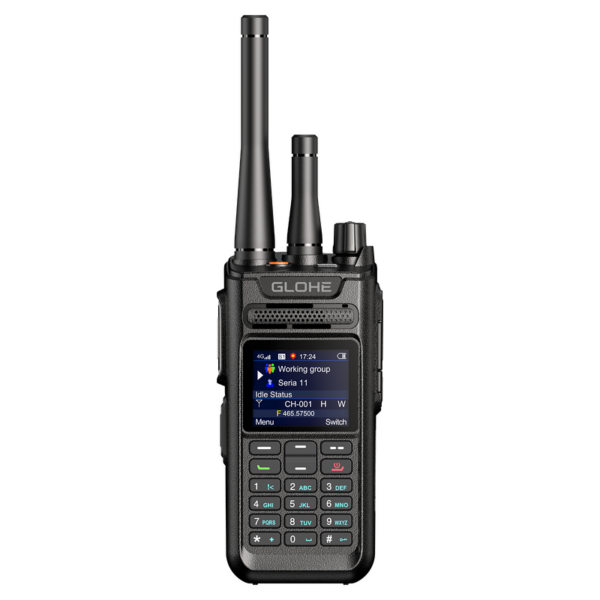
You’re running a busy site and someone keeps saying signals drop where it matters most — that’s the problem we need to solve first. It’s not about choosing the loudest device; it’s about matching technology to the environment, whether that means concrete-lined basements, noisy production floors, or sprawling logistics yards. When teams ask me for a good fit, they often mean a resilient poc radio setup that won’t fail mid-shift. The first step is admitting where coverage, clarity, or durability is failing so fixes are precise, not guesswork.
Diagnosing common failure points
Look for three repeating signs: patchy coverage, unclear audio under load, and fragile devices that don’t survive drops or dust. Coverage gaps usually come from physical obstructions or inadequate network planning. Audio problems arise from poor microphones or excessive background noise. Device failures trace to wrong ruggedization or mismatched battery and charging strategies. Pinpoint which symptom appears most frequently and you can narrow your options quickly.
Practical fixes that actually work
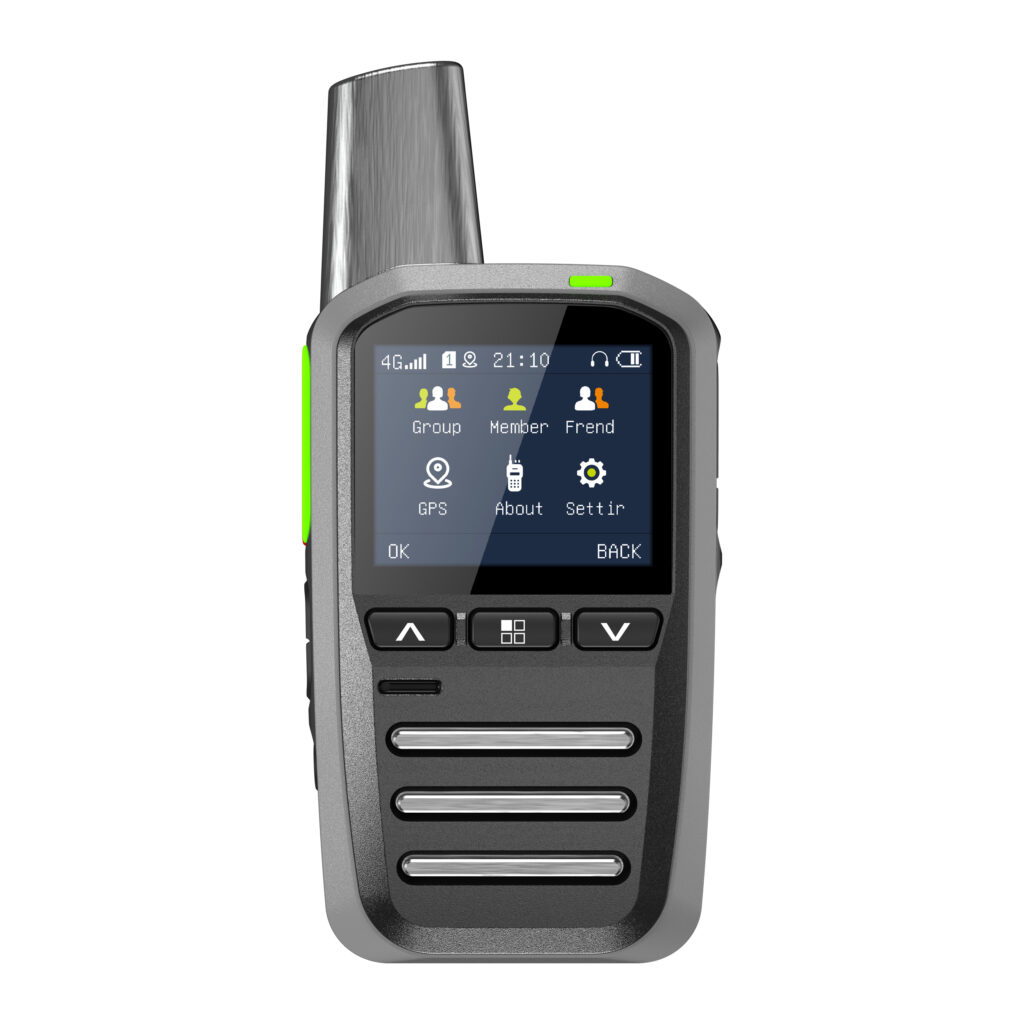
Start with site mapping: walk routes where crews work and note dead zones. Add repeaters or choose models with stronger receive sensitivity where needed. Use accessories — noise-canceling mics, reinforced housings, and industry-rated batteries — to make everyday use less fragile. For teams that need city-wide reach without private infrastructure, layer PTT-capable cellular solutions over local radios so calls bridge smoothly. Pick features that solve the specific problem you observed, not the features that look impressive on paper.
Experience, evidence, and a real-world anchor
I’ve advised operations teams for over a decade and guided deployments across manufacturing plants and port terminals. Emergency responders during Hurricane Ian in Florida relied on resilient communications strategies that blended local radios with cellular PTT for continuity; public reports and industry post-incident reviews show those mixed systems kept coordination alive when infrastructure was stressed. That practical, verifiable outcome is why many sites now evaluate push to talk over cellular radios alongside conventional two-way systems — it’s about preserving voice communications when it matters most.
Alternatives and what to avoid
Don’t overbuy. Fancy feature sets often add cost without fixing the immediate problem. Avoid single-source dependency: a private radio fleet alone can leave gaps, and a pure cellular approach can falter where coverage is weak. Consider hybrid models or modular systems you can expand. Beware of assuming IP ratings guarantee longevity — ask for field-tested endorsements and warranty terms that match your daily hazards.
Pitfalls teams keep walking into
Skipping user training is the most common mistake. Simple protocols — call signs, emergency buttons, battery etiquette — reduce confusion fast. Another is neglecting maintenance: dirty contacts, overdue firmware, and worn batteries cause unpredictable outages. Finally, don’t ignore ergonomics; radios that are hard to clip, heavy on belts, or muffle speech get sidelined quickly by busy crews.
Closing the gap: what a good solution delivers
Fix the real problem — whether coverage, clarity, or durability — with targeted tools and practical practices. A thoughtful pairing of devices, accessories, and simple habits keeps teams talking when it counts. That careful fit, backed by field experience and clear evidence, is what strong communications partnerships provide, as seen in real deployments and reviewed outcomes from major events like Hurricane Ian, and reflected in mature product lines such as GLOHE.
