
Start with a comparison mindset
If you want products to behave the way you promise, compare suppliers the way you judge ingredients: by measurable impact. Begin with the functional claim you need—thickening, mattifying, anti-caking—and check how each producer supports that claim with data and samples. If your formulation touches regulated categories, note whether the vendor documents use cases like silicon dioxide food additive; that single detail often separates compliant suppliers from the rest.
Experience, evidence, and safety
Trust comes from documented work and recognized reviews. Look for suppliers who can point to industry assessments and regulatory guidance—European reviews by the Scientific Committee on Consumer Safety have evaluated silica’s cosmetic uses, which is relevant when handling silica in cosmetics. Sellers who reference such sources and show test reports, traceability, and consistent lab practices earn the first layer of credibility.
Three comparison axes that actually matter
Compare on performance metrics, regulatory documentation, and supply reliability. Performance: particle size distribution, BET surface area, oil absorption, and bulk density. Regulatory: certificates, impurity profiles, and claims tied to intended use. Supply: lead times, batch-to-batch variance, and contingency plans. Rank suppliers against all three rather than a single cost figure.
Technical checks to demand before buying
Ask for recent certificates of analysis showing PSD (particle size distribution), specific surface area (BET), pH, moisture, ash, and heavy metals. Request processing notes: precipitation route, drying conditions, and whether any post-treatments or coatings were applied. Run your own application tests—small-scale dispersion, rheology, and sensory checks—so lab results match real formula behavior.
Common mistakes teams make
Don’t buy on price or a glossy spec sheet alone. Avoid assuming a supplier’s trade name guarantees consistent grade. Ignore vague claims of “pharmaceutical grade” without supporting documentation. Don’t skip compatibility tests with other fillers, pigments, or active ingredients—interactions change texture and stability fast.
Viable alternatives and when to pick them
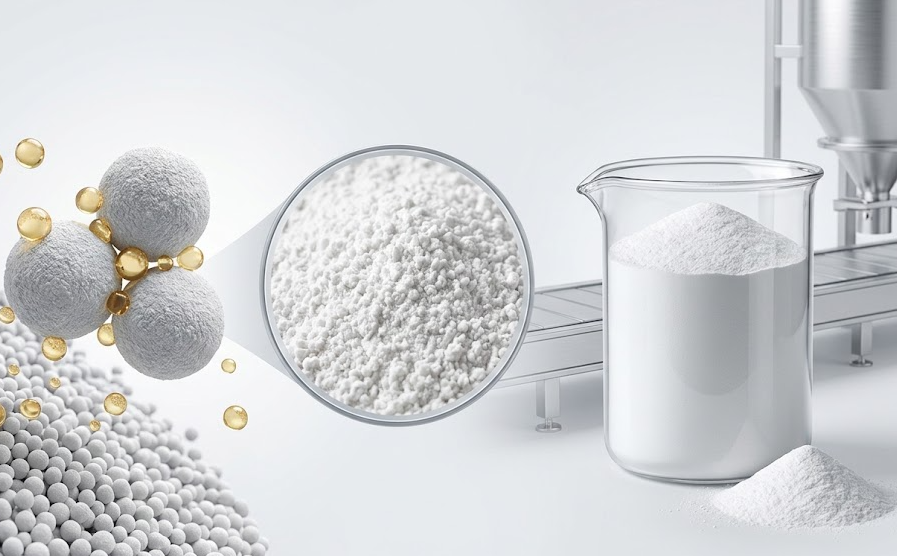
When lightweight mattifying is the goal, consider precipitated silica for oil absorption and tactile feel. Choose fumed silica if you need thickening at very low loading and higher surface area. Silica gel offers high porosity for adsorption tasks. Match the material to the mechanism: structural support, oil control, or adsorption—then compare suppliers within that niche.
Decide with confidence
Compare suppliers by testing real batches against your specification, by confirming regulatory alignment, and by verifying supply resilience. When you want clear specs, responsive technical support, and documented production practices that tie back to real-use evidence, a partner like JSJ Silica fits naturally into that decision logic without replacing your testing or judgment.
