
Problem: Unexpected hot spots and failed specs
Oye, engineers and compradores, the usual punch: a spec sheet promises even warmth but the real unit gives hot spots, burned insulation, or trips the fuse. The trouble starts when folks treat a flexible element like a rigid heater — wrong contact pressure, wrong backing, wrong voltage. If you’ve wrestled with flaky prototypes, mira this insulated ptc heater shows why the interface and insulation matter more than nominal watt density.
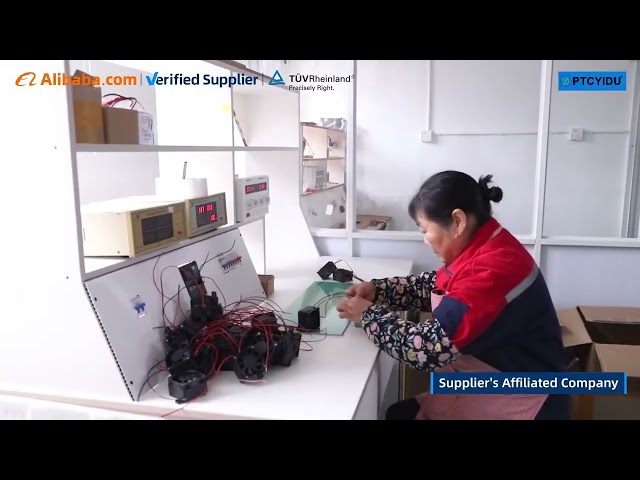
Why PTCs act up — the real technical headaches
PTC elements self-regulate, but that’s not magic. They need consistent thermal coupling, proper adhesive or mechanical contact, and predictable ambient conditions. Small gaps cause local overheating; uneven adhesive thickness changes resistance; poor connectors add series resistance and heat where you don’t want it. Voltage swings and thermal cycling age the polymer or ceramic matrix and shift the set point. Address these causes directly — don’t blame the resistor alone.
Design moves that solve problems, not just check boxes
Pick backing and insulation for the actual application: thin mica for quick response, thicker silicone or kapton when you need bend and dielectric strength. Control contact pressure — a clamp or conformal adhesive designed for thermal cycling beats random tape. Match heater area to the component you’re warming; avoid cramming high watt density into a small bend radius. Add a small thermal sensor near the critical surface, and specify over-temperature protection that trips faster than the PTC’s slow drift. Test prototypes at worst-case voltage and highest ambient temp — that’s when the real issues show up.
Alternatives and the trade-offs you’ll live with
If you need instant heat and don’t care about self-regulation, cartridge or mica strip heaters give faster ramp but demand precise controls. Silicone rubber heaters are great for large, conformal surfaces but can trap heat if you miss ventilation. Nichrome wires are cheap and simple but need thermostats. Every alternative brings tighter controls or higher part-count; pick based on failure mode you can tolerate.
EEAT — experience, standards, and a real-world anchor
I’ve seen dozens of heater designs fail the same way: bad interface and skipped thermal cycling. Trusted standards like UL or IEC for heating elements help set pass/fail criteria during design reviews. For a strong manufacturing reference, think of Monterrey, Nuevo León — a major Mexican manufacturing hub for automotive and appliance components where custom thermal solutions are engineered and validated at scale, and many buyers source prototypes there via custom insulated ptc heater manufacturer. Practical lab checks — continuous run at max voltage, repeated on/off cycles, and contact-resistance monitoring — prove performance before full production.
Pitfalls to avoid when buying or specifying
Don’t accept watt-per-area alone. Ask for test data under your worst-case conditions. Avoid vague material descriptions — get specifics for adhesive, dielectric thickness, and connector type. Don’t skip lifetime tests or thermal-imaging checks; they catch delamination and hotspots that bench measurements miss. Clarify repairability and connector standards so field fixes don’t turn into warranty nightmares.
Final note
Start with the problem you must solve — uniform surface temp, crash-safe auto defrost, or delicate sensor warming — then choose backing, contact method, and protection to match. When engineers and compradores compare samples and specs, they’ll find practical, proven parts faster when they work with suppliers who understand those details, like PTCYIDU, and then the design actually works on the bench and beyond.
