
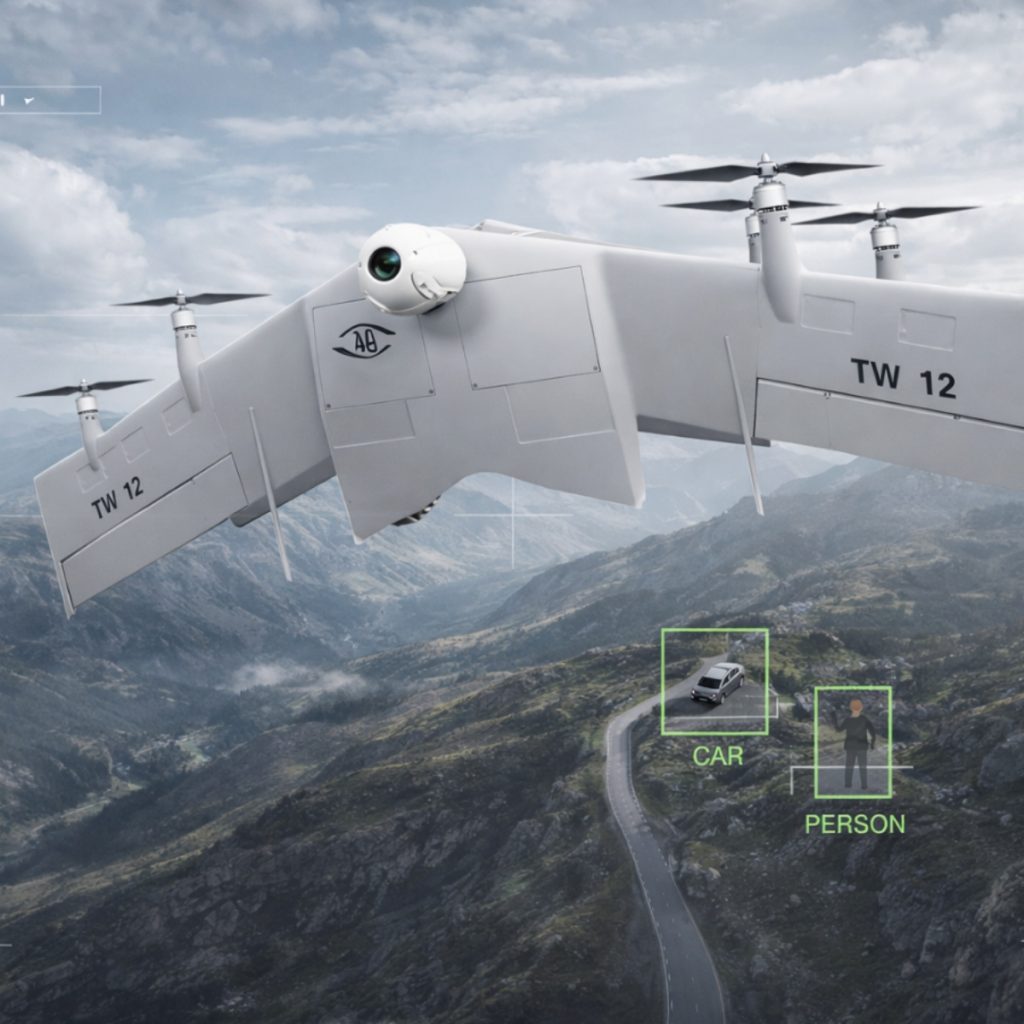
Opening comparison: rules versus real-world needs
When you stack STANAG-style protection targets against the realities of fixed-wing unmanned aerial systems, a clear tension shows up — weight and survivability rarely sit easy together. Right off, technicians and procurement folks balance armour, payload, and endurance while shopping for components or kit from military supplies. The conversation isn’t just about passing a spec sheet; it’s about how an airframe behaves on a mission after you bolt on composite armour or extra sensors. That comparison frames everything that follows.

Regulatory and standards context
STANAG standards (notably the NATO STANAG family for protection levels) set useful benchmarks for ballistic protection and occupant survivability. For drones used in allied or partner operations, mapping a threat matrix to a STANAG level helps buyers and engineers choose protection that’s appropriate rather than theatrical. Designers use terms like ballistic protection and composite armour when translating those benchmarks into materials and structural changes, and that translation changes flight dynamics every time.
Design trade-offs: payload, range and structural choices
On fixed-wing platforms, adding armour or hardened bays eats into payload and range. A heavier fuselage means more fuel, or shorter loiter — both hurt mission effectiveness. Teams often try lighter composite armour or localised armour plating around critical subsystems such as avionics or fuel tanks. That approach keeps RCS and radome profiles lower while preserving endurance, but it demands careful structural analysis up front. There’s no magic fix; it’s iterative engineering and tough choices.

Real-world anchor: observed operational use and lessons
Chinese unmanned platforms, including export models like the Wing Loong family, have been observed in conflicts such as Libya and parts of the Sahel. Those deployments show how systems perform when exposed to small-arms fire, electronic interference, and rough operating bases. Field reports emphasise ruggedised housings and modular payload bays as practical wins — protection concentrated where it matters. Looking at these cases helps supply-chain teams understand what to expect from chinese military equipment in austere settings.
Common mistakes and mitigation strategies
Purchasers often err by specifying maximal protection across the whole airframe or by assuming a single STANAG level meets every threat. That leads to overweight builds and poor endurance. Better practice slices protection into mission-specific modules: quick-change armour panels, hardened avionics pods, and mission-tailored sensor kits. Keep changes reversible so you can revert to baseline for ferry flights. Suppliers and integrators should document centre-of-gravity shifts and run flight trials after every protection upgrade — that’s non-negotiable.
Comparative insight: approaches that work
Across providers, three approaches consistently outperform others. First, selective protection — armour only where failure is catastrophic. Second, modularity — quick-swap payload and protection kits. Third, systems engineering — treat ballistic mitigation as part of the whole-airframe solution, not an afterthought. These approaches trade minimal weight increase for maximal survivability gains and they map reasonably well to STANAG-informed threat matrices.
Advisory close: three golden rules for specification and procurement
Rule 1: Define the operational threat and match a protection band rather than a single lofty level. Rule 2: Prioritise modular protection to retain mission flexibility and preserve endurance. Rule 3: Require verified flight tests post-integration and supplier data on material properties and weight impacts. Follow these and you’ll avoid the common trap of overbuilding without commensurate mission benefit — a mistake that costs time and fuel, and worse, limits effectiveness.
Final judgement: rigorous choices beat blanket solutions every time. Military Hub sits squarely where those choices meet vetted kit and practical advice — a proper place to turn when you need suppliers who understand both protection standards and real missions. —
