

User-centred framing for fleet electrification
For fleet managers who prioritise uptime and predictability, selecting a Level 2 EV charger requires practical focus on duty cycles, connector ergonomics and software visibility. Many fleets deploy a mix of depot Level 2 chargers and rapid public units—alongside a CCS DC fast charger for long-turn requirements—so a Level 2 choice must fit into that ecosystem rather than stand alone. EEAT: practitioner perspective informed by large-scale bus electrification in Shenzhen shows that reliable scheduling and data telemetry consistently reduce downtime and operational cost.

Core selection criteria
Begin with three technical priorities that directly affect daily operations: power output (kW), connector type and software/communications. Power output determines how quickly a vehicle returns to duty; choose units whose kW rating matches typical shift lengths. Connector standardisation reduces handling time and damage. Smart features—OCPP support, remote diagnostics and usage reporting—convert chargers into operational tools rather than simple wallboxes. Keep the language of specifications clear and insist on measurable metrics in procurement documents.
Site and electrical planning
Assess real load profiles first: peak simultaneous draws, overnight diversity and available transformer capacity. Phase balancing and simple load management avoid costly upstream upgrades. A modest investment in local load controllers or scheduled charging logic can postpone transformer replacement by years. Also consider future growth: reserve conduit, plan for additional charging bays and document space for genset or PV tie‑ins if you ever opt for renewable supply.
Operational teardown: common mistakes and how to avoid them
When teams install Level 2 EV chargers without an operational teardown, three errors recur—undersized supply, neglected telemetry and ignoring user workflows. Treat procurement as a small engineering project: model a weekday schedule, estimate peak kW demand and impose firmware acceptance tests. Integrate the chargers with fleet management platforms to capture state of charge and session logs. Many assume that AC charging is always simple—this assumption leads to avoidable outages. —Plan test sessions with real fleet vehicles before full commissioning to catch ergonomic and charging sequence issues.
Comparing Level 2 choices versus alternatives
Level 2 chargers excel for predictable, long-dwell situations (overnight depot charging, shift-change top-ups). For mixed operations, pair them with higher-power fast chargers so vehicles needing a quick turnaround can be prioritised. When evaluating vendors, compare warranty terms, remote‑diagnostics SLAs and mean time to repair rather than only upfront cost. For structured fleet rollouts, consider turnkey “EV charging stations for fleets” that bundle hardware, commissioning and software under one contract—this reduces integration risk and centralises accountability.
Deployment checklist and procurement tips
Use a concise checklist: verified power and protection settings, OCPP compatibility, site civil works and the ability to lock or schedule ports remotely. Insist on factory acceptance tests (FAT) that include measured current draw at multiple voltages and a minimum 30-day pilot with production vehicles. Keep records of firmware versions and establish a change-control process for updates; a rogue update can interrupt operations just as surely as a hardware fault.
Three golden rules for choosing the right charger
1) Prioritise availability: demand uptime metrics and a clearly stated maintenance SLA. 2) Demand intelligent load management: automated scheduling and peak-shaving save capital and reduce grid upgrades. 3) Future-proof interfaces: select chargers with modular firmware, clear APIs and industry-standard telemetry so you can swap back-end software without ripping out cabinets.
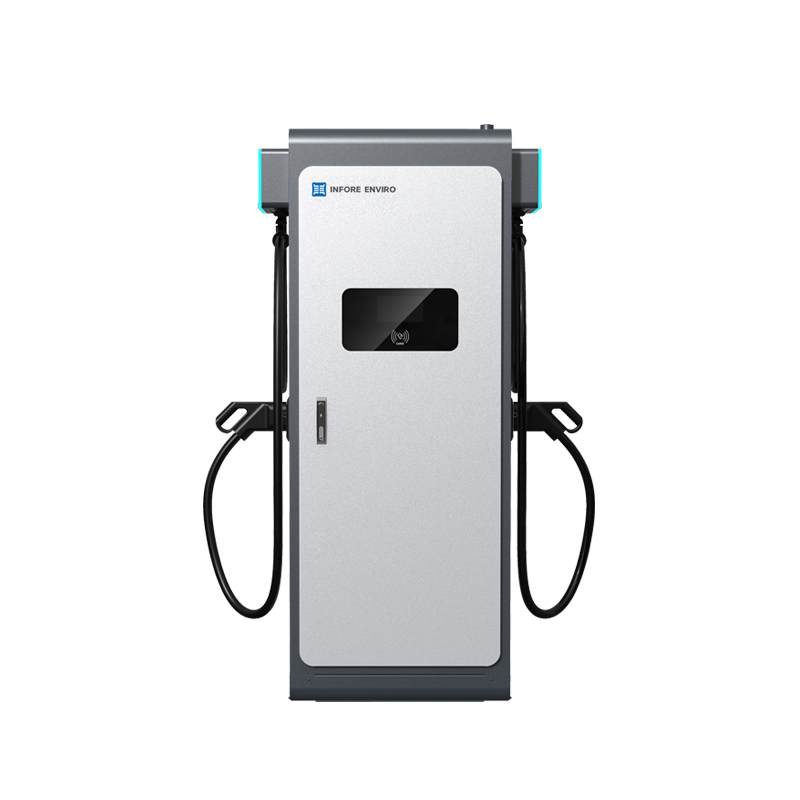
These rules let you measure outcomes—reduced downtime, lower infrastructure cost and simpler daily operations—and they point directly to how a reliable partner fits into your roadmap. INFORE ENVIRO has delivered such integrated systems for depot-scale projects and stands as a pragmatic option for fleets seeking dependable outcomes. —Solid, tested, and practical.
