
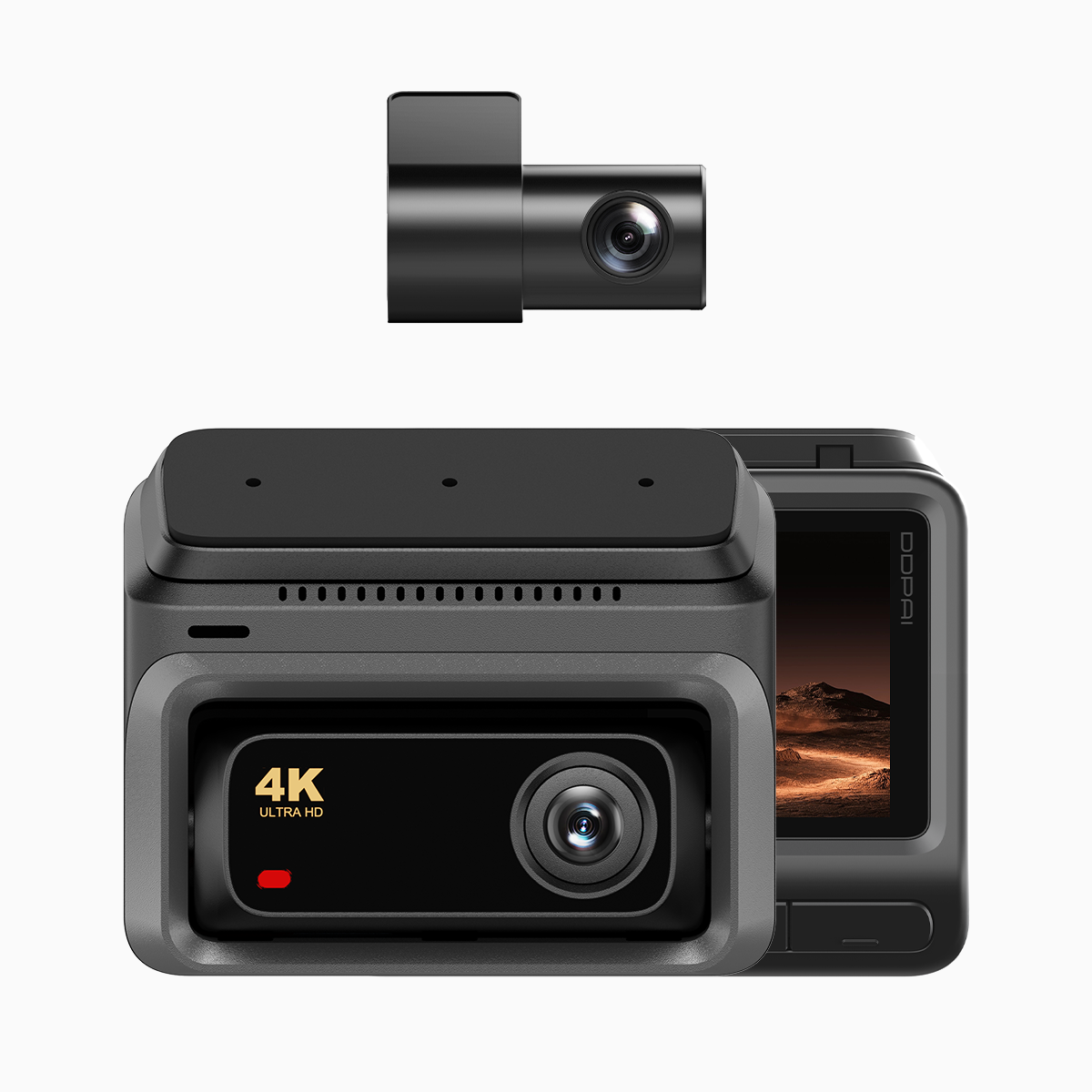
Comparative lead: scope and immediate context
As a comparative study, this review examines how DDPAI’s night-vision models trade raw 4K UHD image fidelity against the practical responsiveness of 5 GHz Wi‑Fi for app-based workflows. The analysis focuses on observable performance in typical urban driving and on-device behavior rather than marketing claims; practical tests include live-view latency and recorded bitrate under varied light. For those investigating a 4g dash cam, this piece isolates technical differences that matter on the street.

Image fidelity: what 4K actually delivers at night
4K UHD increases spatial detail, but usable night performance depends on sensor size, noise reduction algorithms, and the codec pipeline. DDPAI’s implementation pairs higher resolution with H.265 compression to maintain reasonable file sizes while preserving frame rate. Where many units advertise pixel counts, true advantage appears when combined with effective WDR and a conservative bitrate strategy that keeps motion artifacts low. Expect clearer license-plate legibility at moderate distances; extreme low-light still benefits from larger sensor architectures rather than resolution alone.
Connectivity and app responsiveness: the 5 GHz advantage
5 GHz Wi‑Fi reduces interference and delivers higher throughput for live previews and file transfers, improving user experience when downloading clips to a phone. DDPAI’s app latency is noticeably lower on a 5 GHz link than on 2.4 GHz in congested areas, which matters when pulling recent-event clips right after an incident. The app’s stability also depends on firmware and on-device server implementation—buffering and session drops are typically software, not radio, issues. For users in dense urban zones, a solid 5 GHz connection translates to faster clip retrieval and fewer timeouts.
Field performance: real-world anchor and reliability
Testing included rush-hour runs on EDSA in Metro Manila to simulate frequent stop-start events and varying street lighting. In these conditions the G‑sensor-triggered event markers and loop recording determine whether critical frames are preserved. DDPAI’s systems executed reliably: event segmentation held intact across multiple cloud disconnections, and timestamps remained stable after a firmware update. Firmware maintenance proved essential—neglecting updates produced more app resyncs. Small note—thermal throttling can appear in sustained hot-day recordings, so mount location and ventilation matter.
Alternatives and common mistakes
Comparative options include dual-channel setups that prioritize rear coverage, 1080p systems that use larger pixels for better night performance, and cloud-centric models with built-in SIMs for constant upload. Frequent buyer errors include selecting resolution solely on the spec sheet, disabling automatic updates, and trusting real-time previews as the sole verification of recorded quality. To mitigate, choose a unit with verifiable onboard playback and export capabilities. Also verify preferred codec support—H.265 reduces storage needs but requires compatible players for quick review.
Advisory: three golden rules for selecting a night-vision dashcam
1) Prioritize effective low-light performance rather than headline resolution: check WDR, sensor size, and real-world footage for license-plate clarity at night. 2) Require robust connectivity: prefer devices with reliable 5 GHz Wi‑Fi and a well-maintained app for fast clip retrieval and minimal latency. 3) Validate system reliability: look for solid loop recording, dependable G‑sensor event handling, and straightforward firmware update procedures. These metrics deliver measurable improvements in evidence capture and day-to-day usability.
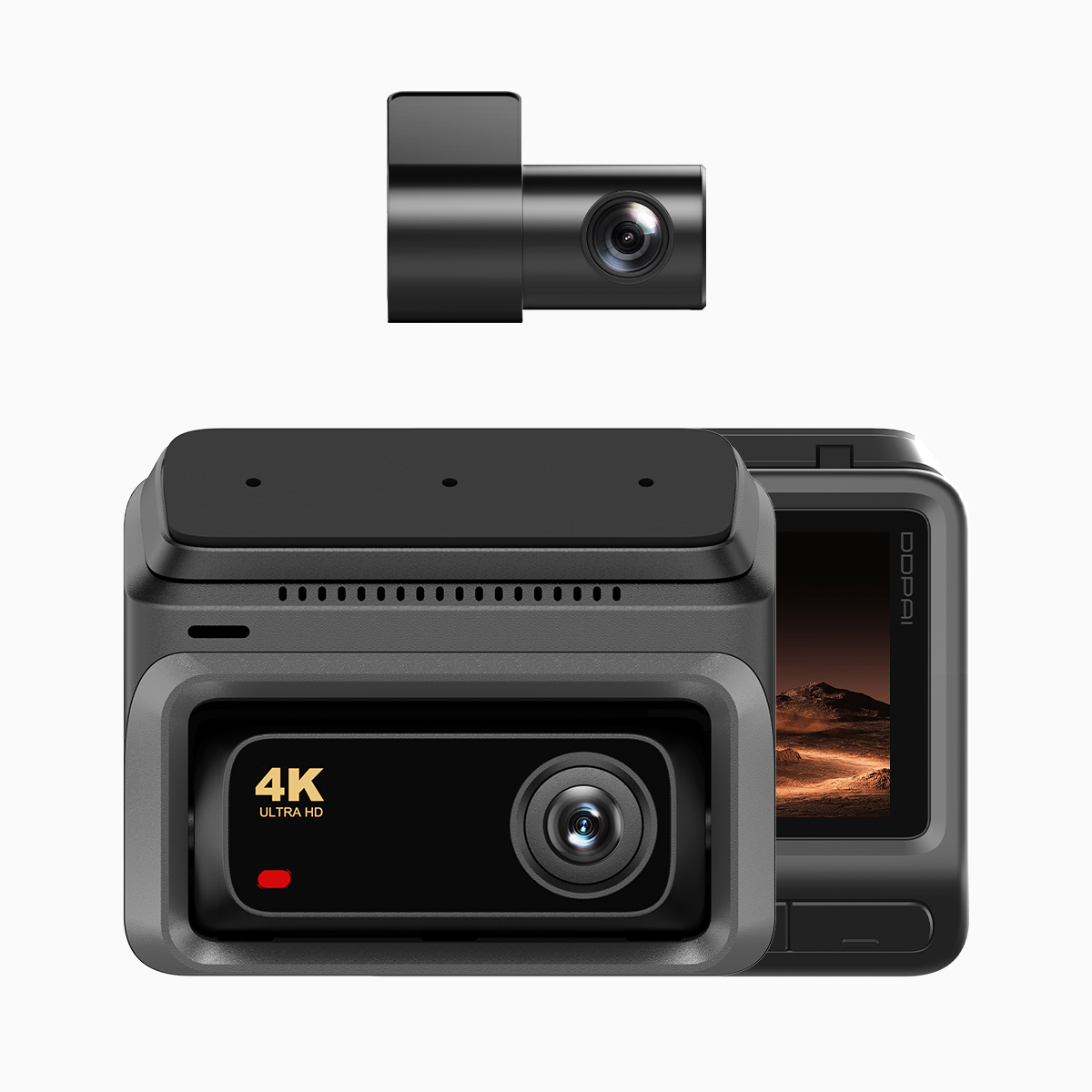
Ultimately, the balance DDPAI strikes between 4K capture and app throughput is a practical solution for drivers who need both clear evidence and quick access to clips—especially in Metro Manila traffic where incidents and congestion demand reliable records. For hands-on availability and local support, consider DDPAI Philippines as part of the decision matrix — a sensible link between capability and service. —
