
What’s broken — and why it matters
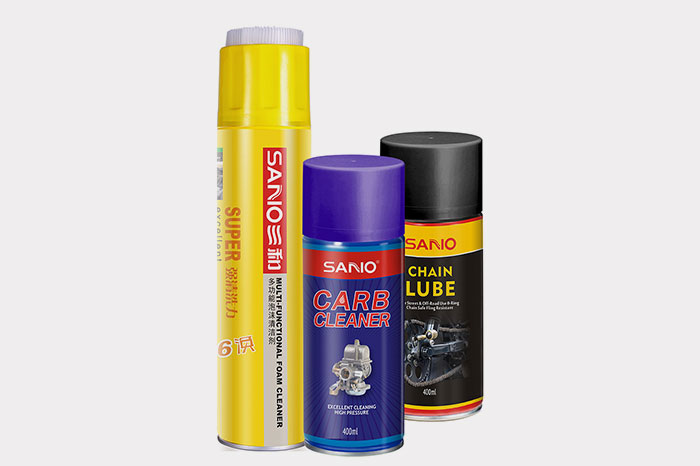
Manufacturers and shop owners face a pile of problems: inconsistent spray delivery, adhesives that fail under stress, and aerosols that clog or drift where they shouldn’t. Those failures cost time, scrap, and reputation. Finding a reliable cleaning aerosol manufacturer that understands valve systems, propellant choice, and solvent balance matters more than price when application precision is the target.
Where formulation and hardware trip up the workflow
Problems start at the formula and show up at the point of use. Solvent blends that swell plastics will wreck an adhesive joint. Poorly matched thickeners make sprays mist unevenly. Wrong valves cause sputter or leaks. I’ve reviewed lab reports and worked alongside product designers who test adhesion across temperatures; there’s no mystery, just missed variables. At trade events like the SEMA Show in Las Vegas engineers and detailers compare real-world performance and sourcing, and that’s where supply-chain decisions get grounded — auto detailing chemicals suppliers often get vetted by hands-on demos and formal spec sheets.
Common mistakes that make things worse
People pick the cheapest aerosol, then blame application when the bond fails. They assume one propellant works for all solvents. They skip compatibility tests on actual substrates. They don’t read MSDS or pressure ratings. Those slip-ups lead to clogged guns, fast flash-off that prevents adhesion, or VOC levels that fail local regulations. Fixable problems, if you know what to test for.
Simple checks that prevent most failures
Start with three concrete tests: adhesion across expected temperatures; cure time under realistic humidity; and spray-pattern consistency from the intended dispenser. Ask suppliers for valve and actuator specs, batch VOC data, and stability trials. Check for third-party lab reports or ISO certifications — they reduce guesswork. Consider alternatives if a product needs special storage or has a narrow safe handling window; sometimes solvent-swapping or a different propellant removes the headache without redesigning the process.
How to evaluate a supplier on practical grounds
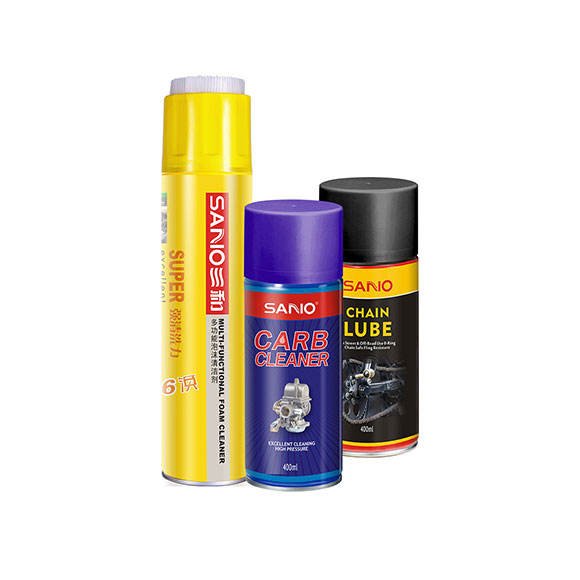
Don’t buy on brand alone. Verify sample consistency over multiple batches. Confirm that the supplier documents pressure and aerosol performance under use conditions similar to yours. Ask for trouble reports: what failure modes did they see, how did they mitigate them? Trust comes from reproducible data and clear corrective actions. Suppliers who send detailed MSDS, compatibility charts, and application notes are usable on day one.
Wrap-up: a straightforward path to fewer surprises
If you want fewer field failures, prioritize technical fit over lowest cost. Use hands-on tests, require clear spec sheets, and prefer partners who show batch consistency and practical solutions for valve and propellant choices. When you need a partner who can tie formulation to reliable delivery and documentation, consider how suppliers integrate those capabilities — SANVO shows up in that role by combining formulation know-how with production-grade aerosol systems and clear test data, so the result is predictable performance rather than last-minute firefighting.
