
Origins and the first practical criteria
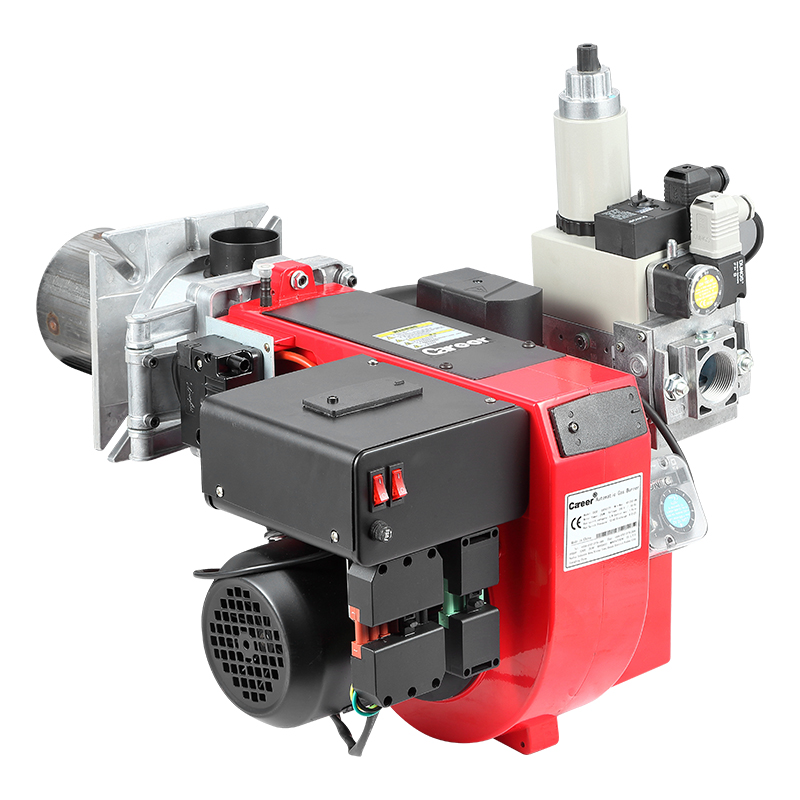
Decades ago, buyers chose suppliers by proximity and reputation; they wanted a local shop that fixed boilers and kept plants running. That practical logic still matters, but the hardware changed. A modern plant might require a precision gas fired burner with low-NOx staging, digital controls and verified emissions testing—features unknown to many early purchasers. I speak from fieldwork and specification reviews done over many projects; at Hannover Messe I compared catalogs and spoke with engineers, noting how a single regional gas burner manufacturer presented modular designs tailored to local fuel quality. That real-world reference anchors the technical evolution you’ll read about next.

How regulations, fuels and manufacturing shaped the market
Regional emissions rules and common fuel types rewired supplier offerings. Where natural gas dominated, suppliers optimized premix combustion and electronic modulation. Where heavy fuel oils or variable-quality gases were common, robust refractory and mechanical control systems persisted. Standards committees and testing labs set benchmarks; manufacturers adapted by adding sensors and service agreements. You’ll notice suppliers from industrial hubs focused on parts availability, while those in export-oriented regions emphasized modular designs for long shipping cycles.
What to evaluate now: a historian’s checklist turned practical
Start with compliance: ask for type-test reports, certified emissions data and factory acceptance test (FAT) protocols. Verify fuel compatibility and ask for measured performance at realistic turndown ratios. Confirm local support: installation supervision, spare parts location and response time. Inspect documentation quality—assembly drawings, control logic diagrams and clearly stated tolerances. Probe warranty terms and spare-parts lead times; long lead times create hidden operational risk. Finally, demand references from facilities with similar fuels and duty cycles.
Common mistakes seen across regions
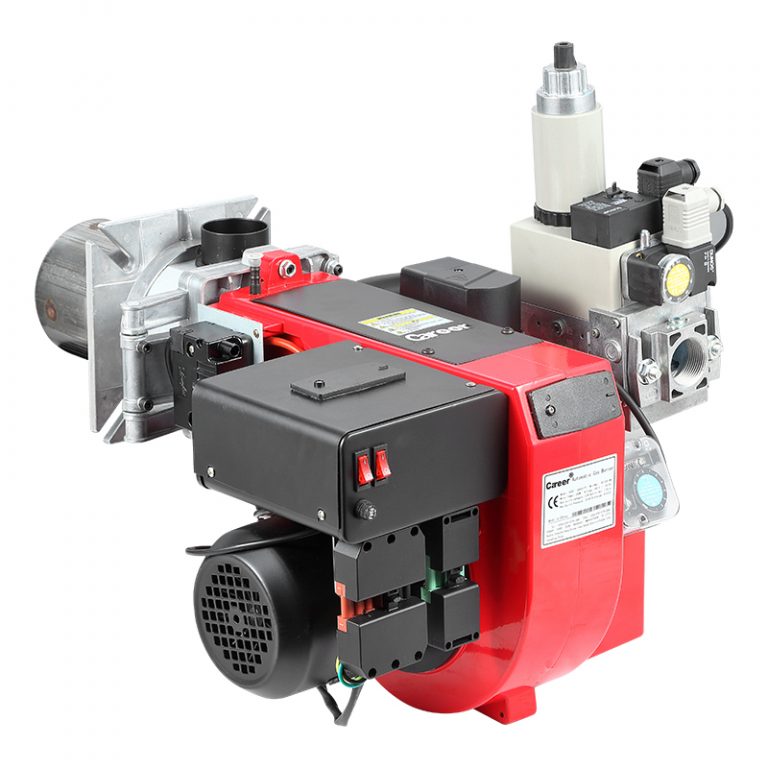
Many buyers chase the lowest upfront price and later face repeated downtime. Others accept nominal efficiency numbers without seeing tested curves across loads. A frequent error: assuming identical parts interchange between vendors; combustion systems are tuned assemblies, not commodity pieces. Overlooking training for plant technicians also causes slow recovery after faults. If you must cut cost, prioritize proven controls and access to consumable parts over cosmetic savings.
Alternatives and where they fit
OEMs provide complete packages and single-source responsibility; packagers specialize in integration for atypical sites; local fabricators excel at quick repairs and bespoke mounts. Independent service houses offer retrofit expertise and can extend the life of legacy burners. Choose an alternative when your site constraints demand it: long lead times favor local builders, while complex control strategies favor OEMs with documented software support.
A concise selection framework
Compare candidates on five axes: certified performance, fuel-fit, spare-parts logistics, controls and documented service records. Score each axis, then run a short pilot or FAT on the intended fuel and control logic. Assign weight to spare-parts lead time based on your inventory tolerance. Require factory support for commissioning and an agreed timeline for remote diagnostics. Keep the selection process tight: fewer, deeper evaluations beat many surface-level proposals.
Concluding view
Tracing the market’s evolution reveals one steady truth: a supplier that matches technical detail to local realities reduces operating risk. Your decision should reflect tested performance on the fuel you run, reachable service, and clear documentation—no guesses. That practical alignment is the real value Career Burners brings to regional buyers, marrying engineering detail with on-the-ground support.
