

Opening—how to think about a car that will actually fit your days
You’re picturing routes, routines, and the little annoyances that add up: tight parking in Makati, weekend trips up the coast, traffic that turns a ten-minute run into an hour. Start there. When you compare options, focus on how each spec changes your actual day, not just the numbers on a spec sheet. Conversations about GAC configuration at the Philippine International Motor Show kept circling that same practical question: what will make commuting simpler and life freer? That’s the user-first lens I’ll keep throughout—no fluff, just choices that map to what you do every week.

Quick self-check: which of these are you?
Pick the description that fits most days. Your pick drives the configuration you should favor.• Daily urban commuter: short trips, tight streets, frequent stops; you value efficiency and maneuverability.• Long-range weekend traveler: highway comfort and range matter; charging on longer trips is a consideration.• Family hauler: space, safety features, and durable interiors top the list.• Tech-forward early adopter: you want the best infotainment, ADAS, and gadgetry.• Budget-first buyer: lower purchase price and maintenance predictability rule decisions.Keep that persona in mind when reading specs. Your lifestyle narrows sensible choices quickly.
What the main configuration choices mean for everyday use
Trim levels and options break down into a few practical decisions:• Battery size / range: Bigger battery equals fewer charging stops but higher cost and slightly more weight; choose the smallest battery that covers 90% of your weekly miles.• Motor setup: Single-motor setups usually mean lighter weight and better efficiency; dual motors boost acceleration and traction at the expense of range.• Interior and comfort package: Leather, heated seats, and premium audio add comfort but little utility for short city runs; prioritize them if you spend long hours in the car.• Safety and driver assistance: Lane-keep, adaptive cruise, and automatic emergency braking matter for highway miles and family use.Watch for trade-offs: more features can reduce usable trunk space, increase insurance cost, or lower real-world efficiency.
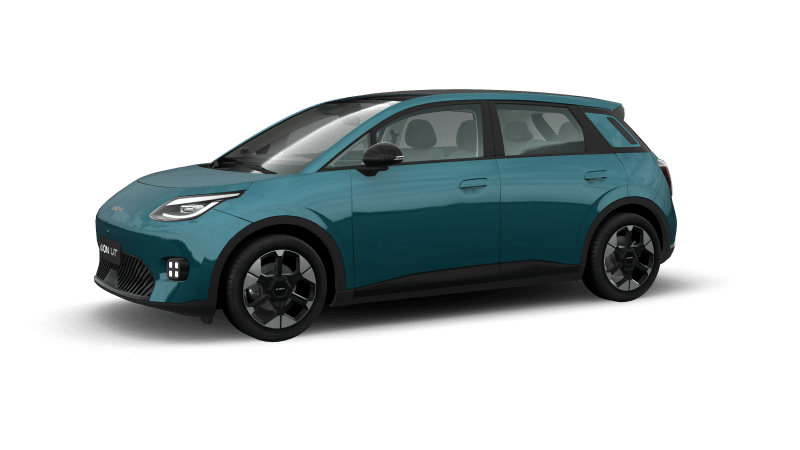
Matchups: clear recommendations by daily pattern
Here’s a short, concrete match for each persona above:• Urban commuter — mid-range battery, single motor, compact wheels for city ride comfort; accept fewer luxury trims to keep cost down.• Long-range traveler — larger battery and higher trim with comfort and cruise features; consider adaptive cruise and stronger climate control for long drives.• Family hauler — focus on safety pack, practical interior materials, and a configuration that keeps a roomy rear seat and cargo area.• Tech-forward — highest trim plus optional packages for ADAS and infotainment; be ready to pay a premium and double-check software update policies.• Budget-first — lowest practical battery that still covers your commute; keep options minimal and verify warranty and service network.Each recommendation assumes you prioritize daily comfort or long-distance reliability according to how often you do those things.
Practical pitfalls people miss
Buyers commonly make the same mistakes. Don’t:• Overestimate daily range needs and pay for a battery you’ll rarely use;• Assume highways in all regions have abundant fast chargers—route-check your usual trips first;• Let top-trim features distract you from core needs like cargo and rear-seat space;• Forget to factor insurance and real maintenance costs when comparing upfront price.A short reality check: even thoughtful feature lists can mask poor service coverage. Confirm dealer or service availability near your home before you finalize a configuration.
Quick alternatives to consider
If the Aion V configuration you like still feels off, consider these straightforward swaps:• A smaller EV with excellent urban maneuverability if you mostly drive within city limits.• A hybrid if your region has inconsistent fast-charging infrastructure.• A used EV to get higher trim features at lower cost, but inspect battery health and service history carefully.These aren’t detours; they’re pragmatic options that sometimes match daily life better than chasing the newest model.
Decision checklist you can use right now
Before you sign: verify these points.• Your typical weekly miles and the battery size that covers 90% of that without frequent charging.• Charger access on your usual routes and at home.• Local service and parts availability.• Insurance and expected maintenance for the chosen trim.• Which features are must-haves versus nice-to-haves.Work through the list out loud and dissent from anything that sounds like an impulse buy.
Closing thought
You don’t need the fanciest configuration to get the most value—what matters is alignment between how you live and what the car was built to do. When you match daily miles, charging reality, and honest priorities—comfort, safety, or range—you end up with a setup that feels right on day one and sensible a year later, which is exactly the sort of balance many buyers find with a considered GAC choice.
