
Introduction
Have you ever paused and asked why some devices promise quick fixes but leave you wondering what actually changed? In many clinics and homes today, advanced red light technology sits on shelves and carts, claiming healing and recovery — yet outcomes still vary a lot. I see the scene often: a therapist tests a device, a patient reports modest gains, and someone asks for clearer numbers (we want facts, not fog). Recent surveys and small trials often report 20–40% gains in targeted symptoms, but those numbers hide wide spreads and lots of unanswered questions. So what explains the gap between the glossy brochure and the real result?
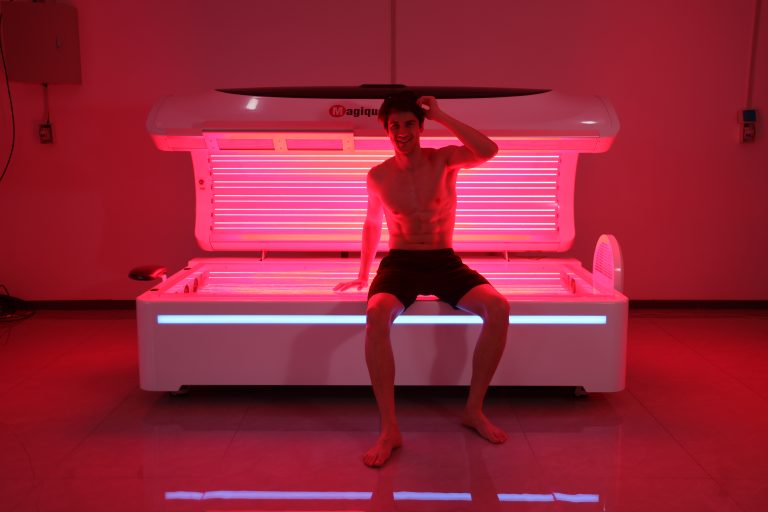
Let me be frank: part of the problem is not the light itself but the system around it — from LED arrays to power converters and poor wavelength calibration. We talk about photon flux one minute and user soreness the next, and that mix confuses both buyers and pros. If you feel a little lost — yalla, you are not alone. This intro sets the stage: I’ll point out the weak links, then walk you through what we can do better next. Onward to the specifics.
Hidden Flaws in Current Solutions
red light therapy technology is powerful, but the way most systems are designed today leaves room for error. I’ll be direct: many devices chase high wattage or flashy power specs while ignoring beam uniformity and wavelength stability. Engineers and clinicians know that uneven LED arrays and sloppy wavelength calibration give uneven dosing to tissue. Edge computing nodes or firmware algorithms can help with timing, yet too many units lack robust control loops. Look, it’s simpler than you think — a stable output matters more than sheer intensity when you want repeatable results.
Why does this matter?
Because users experience inconsistent outcomes. Patients report good days and bad days with the same device. That tells me the device is not delivering predictable photobiomodulation. From an engineering view, issues like thermal drift, poor lensing, and inefficient power converters cause the output to wander over a treatment session. From the user side, unclear interface design and weak feedback make it hard to follow a protocol. We end up blaming biology when the real culprit is hardware and UX. In short: the tech is there, but execution often fails the person using it.
Principles for the Next Generation (and Three Metrics to Judge Them)
What’s next? I prefer practical principles over buzzwords. First, design for dose control: you must measure and hold photon flux within tight bands, not just promise peak watts. Second, build feedback into the product: active sensors and smart control—edge computing, yes—can adapt output in real time as LEDs heat up. Third, make the user path simple so clinicians follow protocols reliably. These principles sound basic, but applying them shifts outcomes in real clinics — and I’ve seen it work.
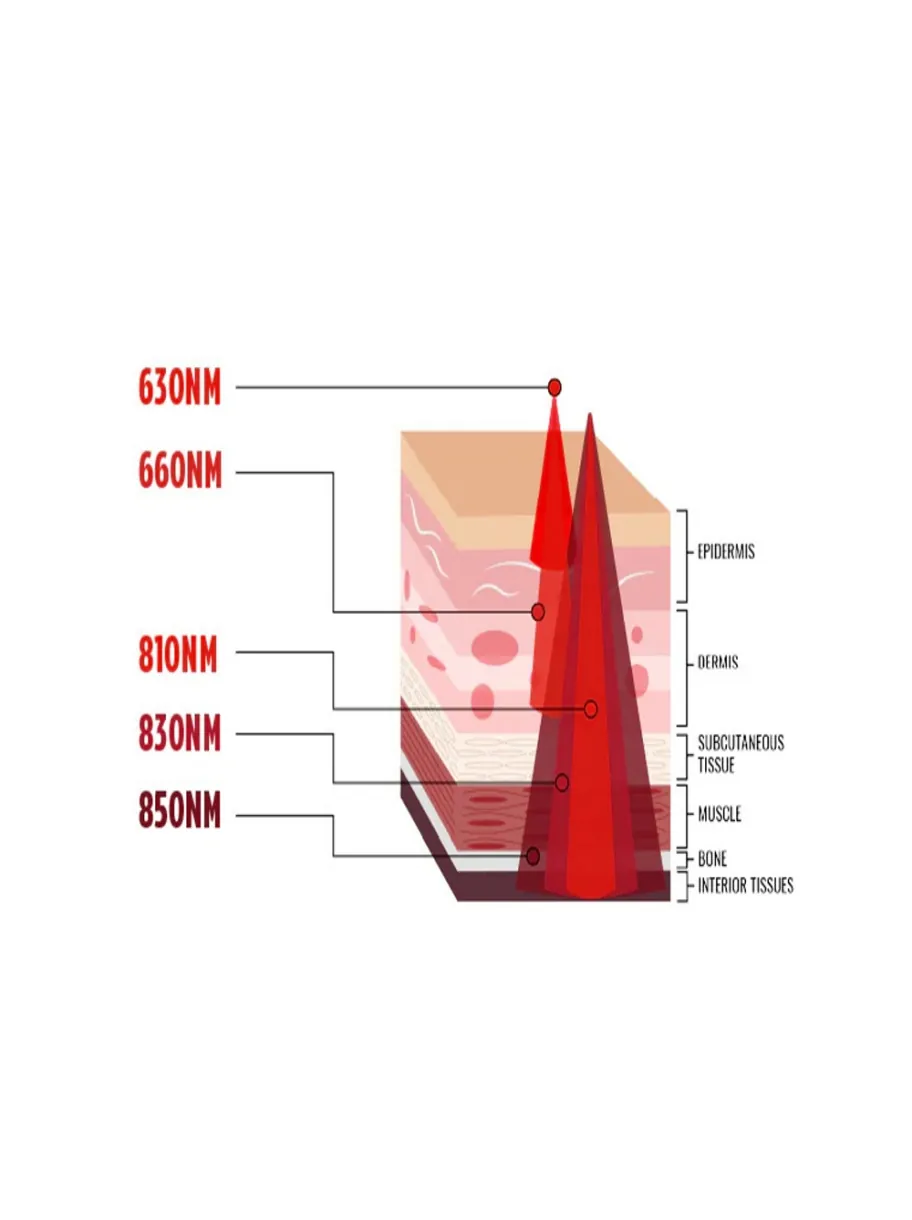
What to evaluate before you buy?
Here are three metrics I always ask about when I test or advise on systems: 1) Dose repeatability — can the unit deliver the same energy per cm² across sessions? 2) Spectral accuracy — does the device hold its target wavelength within narrow bounds under load? 3) Interface reliability — can a user run the exact protocol without guesswork? If a device scores well on these, it usually performs better in practice. — funny how that works, right?
I’ll finish with a short note: technology alone does not guarantee better care, but smart design and clear metrics do. We must move from marketing claims to measurable engineering. I care about real people getting real relief, and that’s why I push for better standards and clearer information. For reliable solutions and sensible design ideas, I often look to teams who combine engineering rigor with clinical feedback — such efforts are where progress happens. And if you want to explore serious work in this space, check out Magique Power for examples of measured approaches and quality thinking.
