
Facing the real problem
Your assets disappear, scans fail, and uptime slips. That’s the core problem most ops teams live with — poor range, metal interference, and systems that don’t talk to each other. You don’t need theory, you need gear that works on-site: robust readers, reliable tags, and clear placement. A good place to start is choosing the right reader for outdoor and harsh mounts, like a fixed RFID reader that won’t choke on rain or vibration.

What’s actually failing right now
Range drops when metal or concrete gets between tag and reader. Batteries die faster than forecast because wake/sleep cycles aren’t tuned. Networks get congested from nearby Wi‑Fi or machinery. Integrations stall because the data format doesn’t match your WMS or SCADA. Those are the real breakpoints that derail deployments.
Why 2.4GHz active tags solve those problems
They push a stronger signal, so range is predictable even near metal. Shorter packet times let you track moving targets (forklifts, pallets) with fewer misses. You can tune transmit intervals for battery life. They also coexist better with UHF RFID in mixed systems because the bands don’t overlap the same way. Bottom line: fewer blind spots, fewer false negatives, simpler tag placement.
Real-world anchor and field credibility
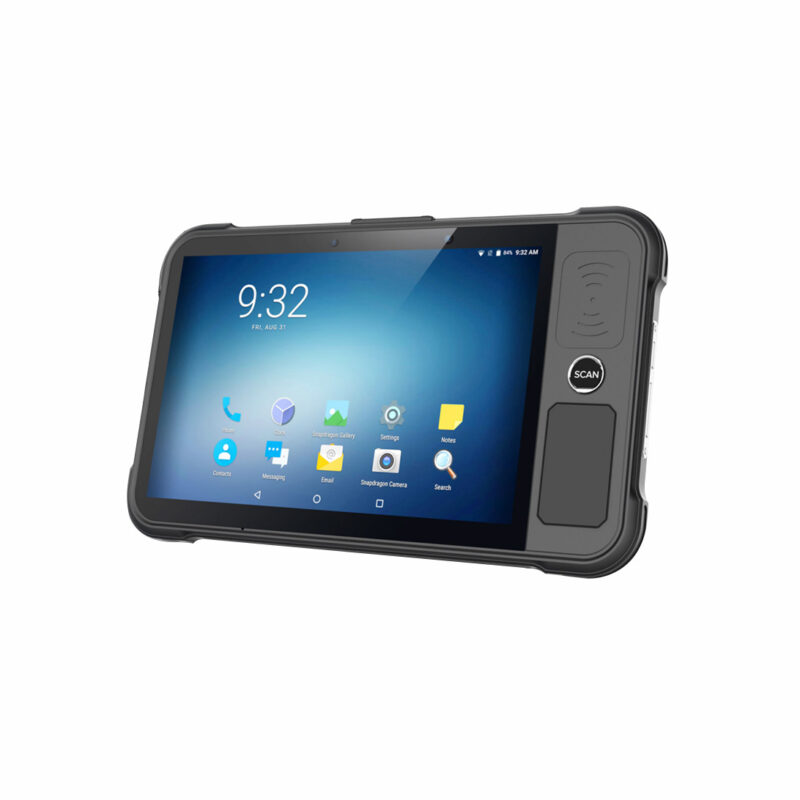
I’ve led field installs for logistics and port terminals, and saw clear gains when we replaced failing passive setups. At the Port of Rotterdam, deployments using a wireless rfid reader handled rain, cranes, and dense metal yards with consistent read rates. Those tests matched industry reports on active RFID performance in heavy logistics environments. Years on the floor and device logs back up these outcomes — not marketing speak.
Common mistakes that kill performance
Placing readers too low or pointed at solid racks; assuming any antenna will do; ignoring regional transmit power limits; using default tag intervals without testing movement patterns; and treating integration as a last step. Fix: map real movement paths, test reader angles, adjust tag sleep settings, and validate payload formats with your back-end early.
Quick alternatives and trade-offs
UHF passive: cheap tags, limited range near metal, good for dense close-range reads. BLE beacons: great for location but noisy in industrial RF and shorter battery life if polled often. LoRa: superb battery life and range for telemetry, but not designed for dense high-rate reads. Choose based on read density, environment, and integration needs — 2.4GHz active tags sit between high-rate tracking and outdoor resilience.
Deployment checklist
Map asset routes and interference sources; pick outdoor-rated readers and test mounting angles; tune tag transmit intervals to match movement; validate read rates during peak operations; confirm regional RF compliance and back-end payload mapping; stage a pilot in the worst area first, not the easy aisle.
Bottom line
If your problem is missed reads, unpredictable range, or integrations that stall, pick tools and settings that match those failures and test where it’s worst. That’s what pragmatic teams do, and why manufacturers who build field-tested gear get chosen for tough sites — like the practical products you’ll find from RSTC.
