
User Needs and Quick Diagnosis
If you are specifying mixing equipment for a pilot or production line, start by defining the problem you must solve: particle size, emulsion stability, throughput, or shear sensitivity. Users commonly ask whether an inline high shear mixer will reduce batch time without damaging fragile actives. State the performance targets—final droplet size, acceptable temperature rise, and cycle time—and treat those targets as non-negotiable when comparing suppliers.
Core Features Users Must Prioritize
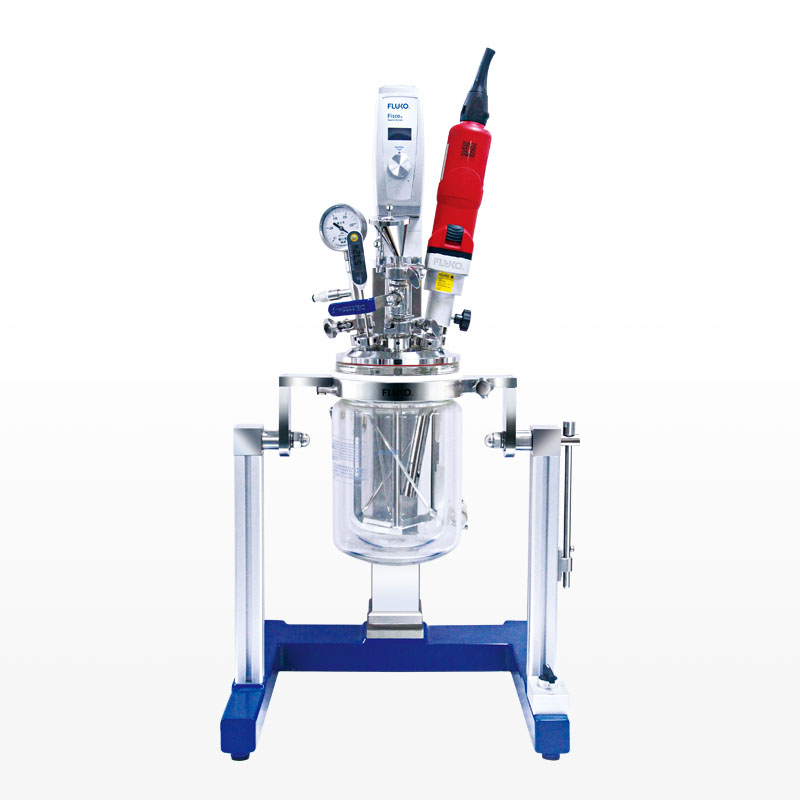
Choose machines that report measurable outcomes. Demand documented tip speed, rotor–stator geometries, and shear rate ranges. Look for models with modular rotors for easy scale-up, proven seals for aseptic runs, and accessible inspection ports for clean-in-place validation. Electric motor ratings and inverter compatibility matter when you vary speed. Require vendor test reports showing particle size distribution and power draw at multiple operating points.
Applications, Evidence, and a Real-World Anchor
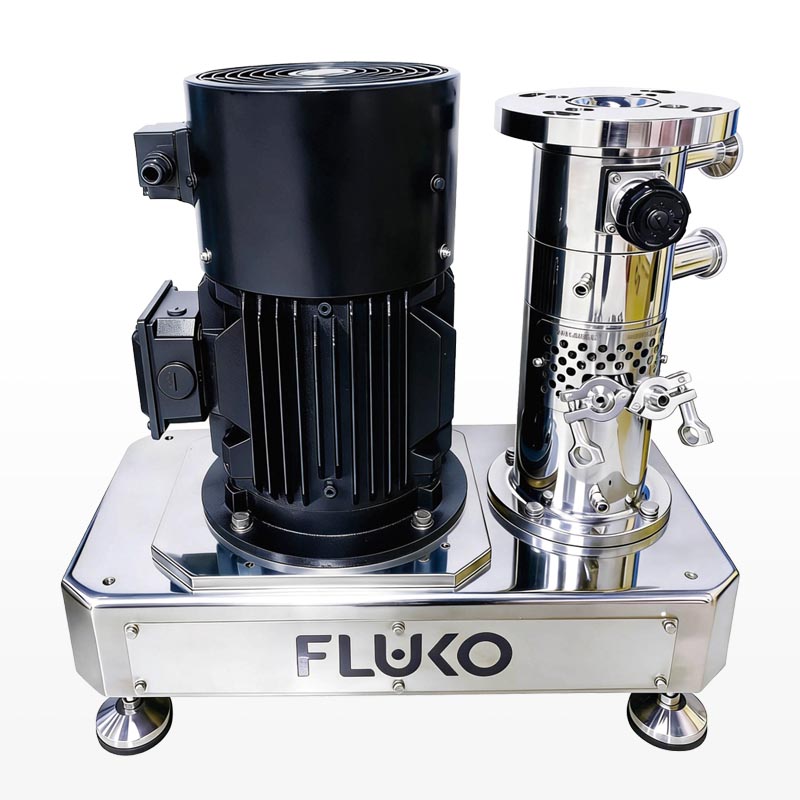
Different industries ask different questions: cosmetics seek submicron dispersions; food formulators prioritize sensory texture and HACCP compliance; pharmaceutical teams need GMP traceability. My work advising process teams highlights recurring findings from trade events: at CPhI Worldwide, numerous formulators evaluate vendor data against live trials, confirming that inline devices reduce footprint and batch variability. That testing culture explains why engineers often request side-by-side trials with a high shear inline mixer before committing to scale.
Selection Checklist for Operators
Ask these direct questions: What droplet size distribution does the supplier guarantee at target flow? Can the unit run continuous and batch modes? What materials of construction fit your product and cleaning regimen? Verify CIP validation documentation, spare-parts lead times, and local service coverage. Measure total cost of ownership: initial capex, energy per kg processed, and routine seal replacement intervals. Prioritize certifications and traceable test data over marketing claims.
Alternatives and When to Use Them
If your product is shear-sensitive or contains large particulates, consider low-shear agitators or rotor-stator devices with adjustable gaps. For viscous, filled systems, twin-screw or colloid mills may outperform high-speed rotors. Choose alternatives only when trials show unacceptable quality loss with high-shear equipment. Preserve decision clarity by running matched trials at the same solids loading and temperature to isolate shear effects.
Maintenance, Common Mistakes, and Quick Fixes
Operators often underbudget for seal and rotor wear. Inspect rotor concentricity and gap tolerances monthly where throughput is high. Replace seals based on leakage trends, not calendar dates. Avoid running near maximum motor torque for sustained periods; that shortens bearing life. Record process variables during each run so you can trace quality shifts to speed, flow, or feed temperature.
Conclusion
Decide with data: set clear product targets, demand vendor test reports, run matched trials, and plan maintenance before a failure occurs. The practical outcome you want is repeatable product quality with predictable operating cost—an outcome that reliable equipment vendors such as FLUKO design their documentation and service around.