
Introduction: The Quiet Geometry of Speech
To hold a meeting is to shape air into decisions. A conference room mic system turns that air into shareable sound. In a simple scene—ten delegates, two remote guests, one tight deadline—the stakes ride on intelligibility. Data tells a plain tale: even a 3 dB drop in signal-to-noise ratio (SNR) can halve perceived clarity, while a slight rise in packet jitter can smear speech on the far end. Yet we still ask rooms to behave like studios, and people to speak like broadcasters (they do not). What, then, is the core concept? Speech capture is a chain, not a point. Each link—capsule, preamp, DSP, network, and amplification—must hold steady within a set latency budget. Phantom power must be clean. Gain structure must be sane. And the noise floor must stay low enough that AEC can do its work. One weak link spoils the hour—funny how that works, right?
Let us set the stage, compare the old with the new, and ask where the real differences lie.
Hidden Fault Lines in the Delegate Unit: Why Old Fixes Fail
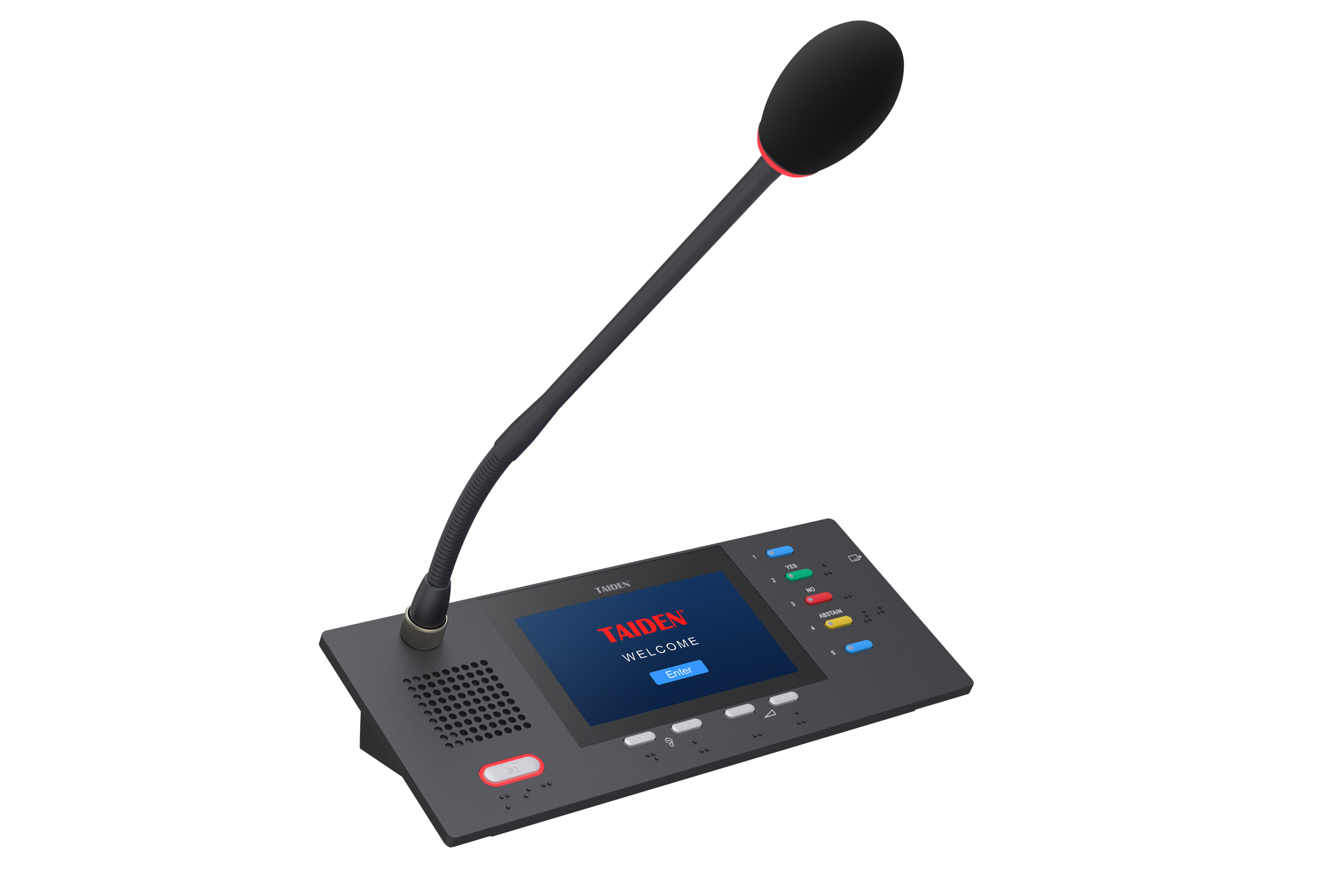
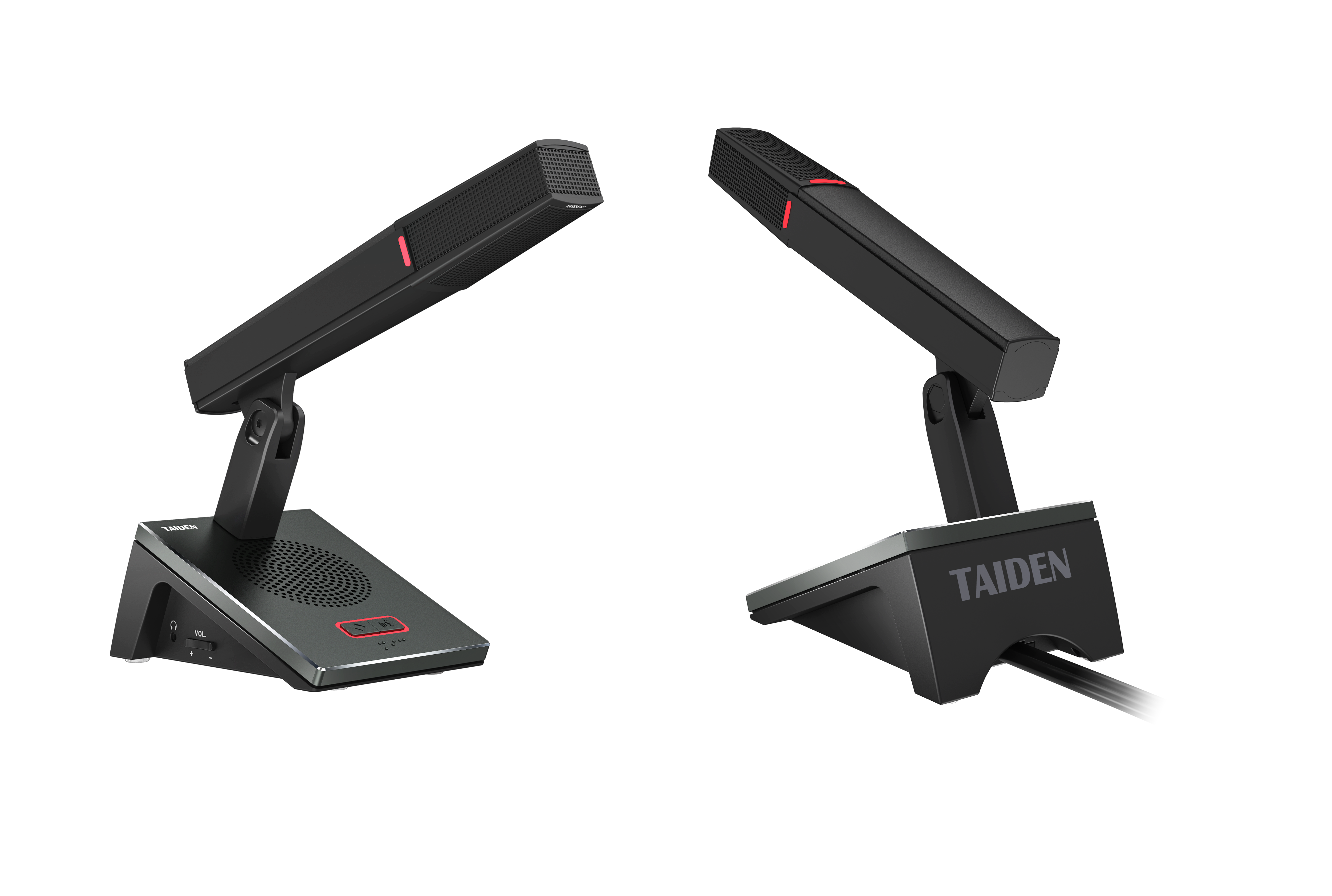
At the table, the delegate unit sits like neutral furniture. It is not. It is the junction where human habits collide with electronics. Traditional models assumed fixed posture, steady mic distance, and predictable room gain. In practice, participants swivel, tap pens, and lean back. Legacy devices often rely on simple gating, which chops soft consonants, or on wide-open gain, which raises the ambient hiss. Beamforming helps, but only when paired with stable DSP and proper AEC. Without consistent PoE power delivery and RF shielding, even the best capsule picks up hum or bursts. Look, it’s simpler than you think: if the unit cannot keep mouth-to-mic geometry within a narrow window, clarity drops and fatigue climbs.
Where Does the Noise Creep In?
It enters at seams—mechanical, electrical, and behavioral. Loose goosenecks wobble. Worn connectors add micro-resistance. Power converters add ripple. Every twitch alters gain structure and confuses AEC models. Old talk/mute logic was binary; modern discussion patterns are not. That mismatch triggers hunting behavior in the DSP, which amplifies chair squeaks and paper shuffles. Meanwhile, Dante or other AoIP links are robust, yet they demand clock discipline; poor switch QoS nudges packet timing and raises perceived blur. In short, traditional “more gain, nearer mic” advice fails when posture varies and traffic is bursty. The delegate unit must adapt first—then the room feels easy.
Comparative Horizons: From Fixed Stems to Smart Arrays
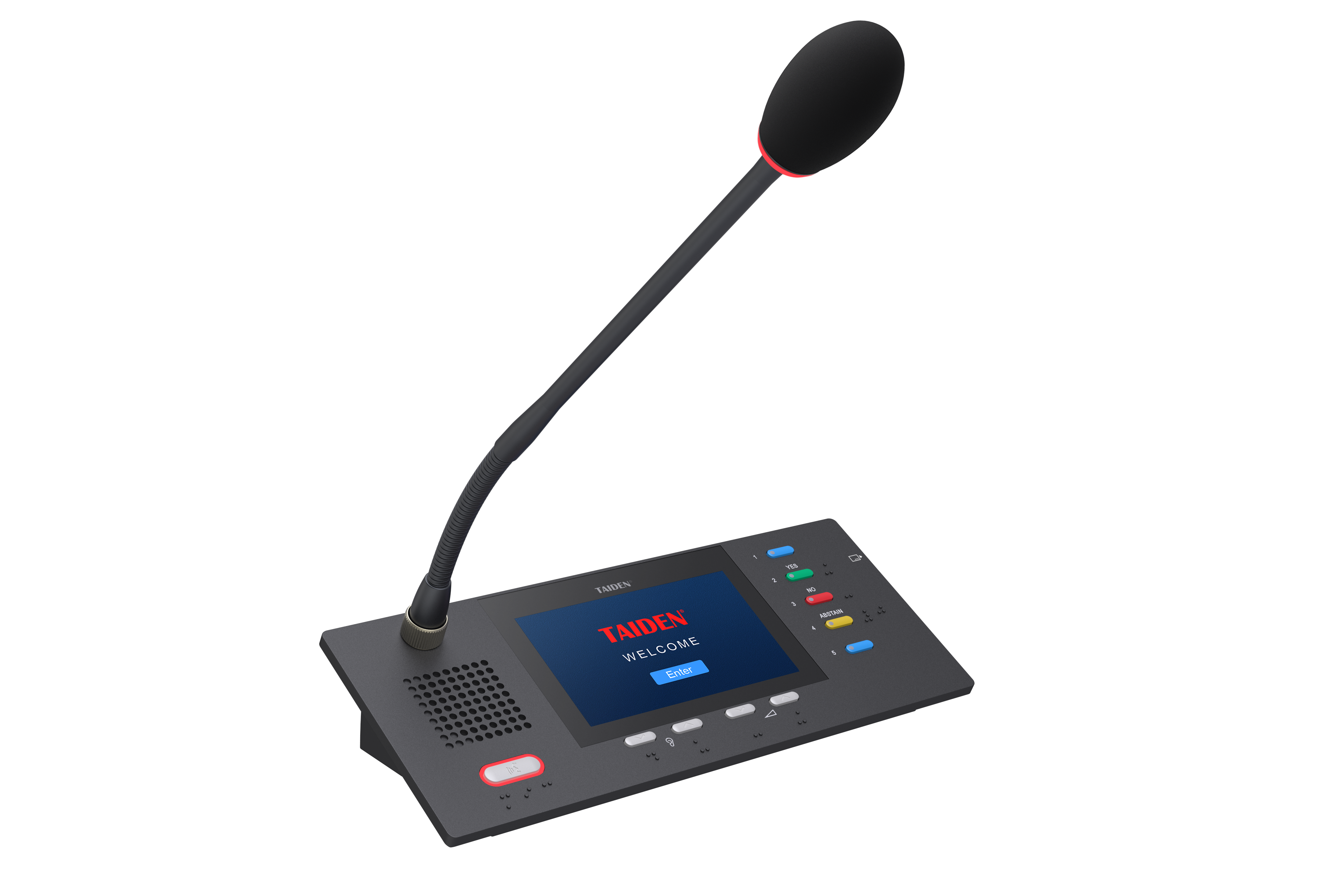
The new playbook reads like a set of physics notes, not a brochure. Start with capsules that map voice fields rather than just volumes. Smart arrays model directivity in real time; they fuse beamforming with talk-state prediction. Instead of relying on one fixed stem, the system infers who is speaking and where the mouth sits in the lobe, then sets gain and EQ before the next syllable lands. A modern gooseneck condenser microphone remains vital for clear on-axis pickup, but it now partners with intent-aware DSP. The array locks the speaker; AEC learns quicker; latency stays under the human threshold. And yes, that matters. Compared to legacy units, these systems ride out posture shifts without pumping. They also enforce clock sync to keep AoIP clean, tame packet jitter, and hold SNR steady even when rooms grow noisy.
What’s Next
We stand at a neat comparison point—fixed hardware versus adaptive logic. Yesterday’s kits promised “set and forget.” Today’s promise “sense and react.” The best designs fuse three layers: hardware stability, predictive DSP, and network governance. Hardware must tame handling noise and keep connectors tight. Predictive DSP must align AEC, dynamic EQ, and noise suppression, so consonants cut through but room tone stays natural. Network governance must secure Dante timing and prioritize media packets over chatty control frames. The lesson from earlier sections holds without repetition: the weak link moved from the mic capsule to the interaction between users and systems. So choose like a steward, not a gambler.
Advisory close—three metrics to weigh before you buy: 1) Adaptivity Index: How fast does the system re-steer beams and update gain when the speaker moves, measured in milliseconds? 2) AEC Headroom: How well does echo cancellation hold at higher room gain before artifacts appear, in dB and across frequencies? 3) Network Discipline: What packet loss, jitter tolerance, and clock recovery does it achieve on mixed switches under load? If these numbers read well, the rest tends to follow. For a clear benchmark and thoughtful engineering, see TAIDEN.
