
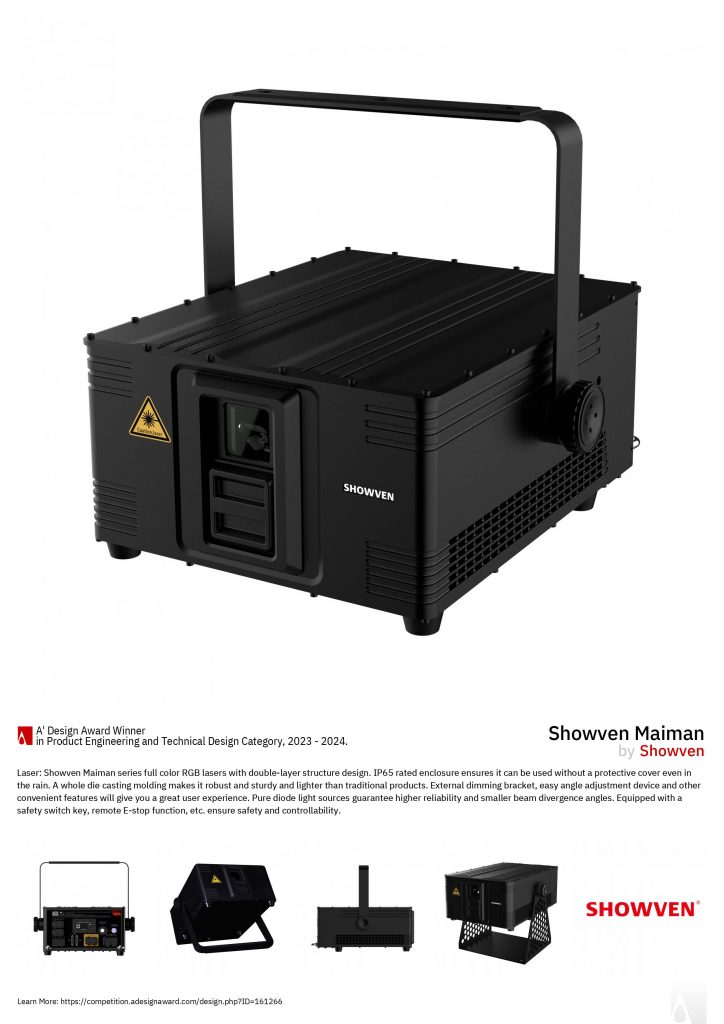
Introduction: A Clearer Show Starts in the Dark
Here’s the plain truth: crowds remember the light, not the wiring. Laser Light Systems can fix most of the little things that make big nights drag. Picture a county fair stage at dusk, cables coiled like snakes, and a tight schedule. The old rigs hum hot, and the dimmers sip more power than a barn in July. With Professional Laser Lighting, you cut that waste and get sharper beams that punch through smoke, not just float in it (no city gloss needed). Data says lamp-based fixtures drop brightness fast and eat labor hours—up to 30% time lost to gaffing, re-aims, and heat resets. So, why keep trusting gear that fades when the crowd leans in?
You want punch, speed, and safety. You want simple cues that don’t stall when DMX512 hiccups. And you want hardware that survives rain, dust, and long hauls without drama. Big ask? Not really—funny how that works, right? Let’s walk the field, see what the old way gets wrong, and then talk about what the new way does better. Saddle up; next we dig into the real snags you can’t see from the booth.
Old Fixes, New Problems: The Hidden Costs of “Good Enough”
What’s broken with the old rigs?
Most “traditional” lighting has a silent tax. Bulbs fade, optics drift, and beam divergence grows until your crisp shapes blur into fog. Every re-aim steals show time. Analog dimmers hum and add heat. Power converters run hard, then harder, and your crew chases faults instead of building looks. When a DMX512 chain hiccups, you reboot half the line and pray the address table holds. Look, it’s simpler than you think: the system isn’t built for precision, just for “bright enough.” That’s why cues slip, and that’s why your transitions feel mushy.
The dirtier secret? Optical attenuation climbs as lenses age and housings breathe dust. Outdoor dates make it worse unless you spec IP65 rating, which many legacy fixtures skip to save cost. You get flare in haze, jitter in pans, and a color shift that no gel fixes. Add thermal drift, and your patterns don’t land where you marked them last night. Crews start compensating with extra gear and longer line checks—more cases, more taps, more time. The crowd sees “fine.” You see the bill. And that gap grows show by show— and that’s no tall tale.
New Principles: How Precision Laser Wins the Night
What’s Next
Modern laser engines solve these nags by design. Tight beam divergence holds shape over distance, so patterns stay crisp even at the back fence. Fast galvanometer scanners draw frames at high speed, slicing latency you can feel in the beat. An FPGA controller handles signal timing, smoothing out micro-jitter that ruins tight chases. Edge computing nodes near the stage process cues locally, so a network burp doesn’t freeze the rig. Housings with IP65 seals push out rain and grit, while safety interlock circuits and IEC 60825-1 compliance keep operators covered. This is not just brighter; it’s cleaner control.
When you size the system right, you trim power draw and cut heat, which means less fan noise and fewer resets. That steadies the show clock. Pair that with smart power converters and line filtering, and your cues track true, even on flaky generators. In practice, professional laser lights turn “hope it hits” into “know it lands,” show after show. You’ll see fewer re-aims, tighter mid-air graphics, and smoother fades that don’t ghost in haze. The kicker is reliability: fewer moving parts, less lamp drift, and control paths built to recover fast if the bus burps. Different feel, same rugged work ethic.

Choosing Smart: Metrics That Matter
First, measure beam quality over distance: check beam divergence and verify optical attenuation after 50 meters in haze, not just on paper. Second, test control stability: run complex frames over DMX512 and network failover, and watch the galvanometer scanners for jitter under load. Third, check field readiness: IP65 rating, safety interlock behavior, and service time for cleaning optics and swapping modules.
Do that, and you’ll buy once, not twice. You’ll also spend more time calling cues and less time chasing gremlins. That’s the kind of change folks notice, even if they can’t name it. If you want a place to start looking, keep an eye on Showven Laser—steady hands make steady light.
