
Introduction — a quick scene, some numbers, and a question
I remember walking into a salon where the owner waved me over like we were old friends; she wanted to show off a new machine and I was curious. In that tiny room the staff told me that up to 68% of clients report better skin tone after sessions with a red light bed — and yet many still leave confused about how to use it properly. So, how do you tell the real benefits from the hype, and how do you use a red light bed without frying your patience (or your skin)? I’ll walk you through what I’ve learned on the job, in plain talk, so you can judge for yourself before you step under the lamp. Now let’s dig into where things actually go wrong — and why that matters for your skin and comfort.
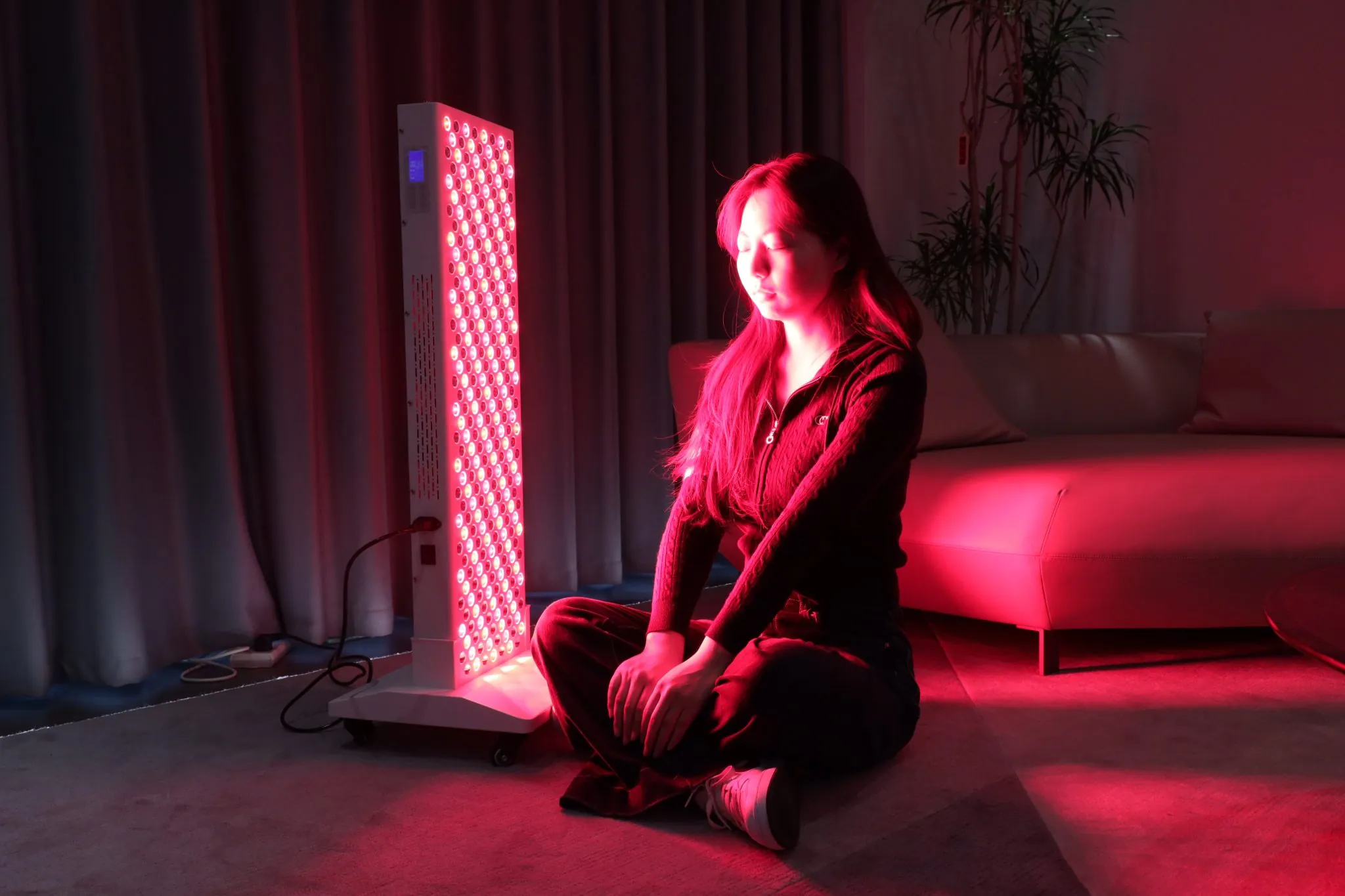
Part 2 — What the usual solutions miss about the collagen bed
Why do the promises fall short?
When clinics sell treatments as quick fixes, they often skip the fine print. I’ve seen a handful of setups that tout instant collagen boosts but ignore key science. For instance, LED array placement, wavelength calibration, and thermal management are not just buzzwords; they decide whether light penetrates tissue effectively or simply heats the surface. Many operators rely on cheap controllers and mismatched power converters that produce uneven output — and that ruins outcomes. Look, it’s simpler than you think: consistent irradiance and the right wavelengths matter far more than session length alone.
There’s also a user pain point nobody likes admitting: session scheduling and expectations. People expect visible tightening after one visit; reality needs repeat exposure and realistic tracking. I’ve had clients who stopped too soon because their device used a poor irradiance profile, or the clinic didn’t monitor pulse vs. continuous modes. Those choices affect mitochondrial response and collagen synthesis. So yes — the technology is promising, but sloppy implementation and weak quality control leave many users disappointed. We need better standards and clearer guidance from providers, or people will keep chasing marginal gains instead of lasting results.
Part 3 — Looking ahead: case examples and what to test next
What’s Next for devices and users?
I want to shift from critique to a practical outlook. Take a recent example: a clinic upgraded its fixtures and introduced verified wavelength maps for their collagen bed, and within three months client satisfaction rose noticeably. They tracked metrics like irradiance uniformity, session dose, and recovery time — simple, measurable things. This shows that better engineering matters more than flash marketing. We should expect manufacturers to tighten specs and provide clearer user protocols (no guesswork). — funny how that works, right?
For consumers and small clinics, I suggest watching for standardized specs, asking for irradiance charts, and checking whether devices support calibrated maintenance. If you’re comparing options, note how the device handles heat, what wavelengths it uses, and whether treatment plans are evidence-based. In short: don’t buy on promises; buy on proof. I’ve learned this the hard way, and I share it so you won’t repeat my mistakes.
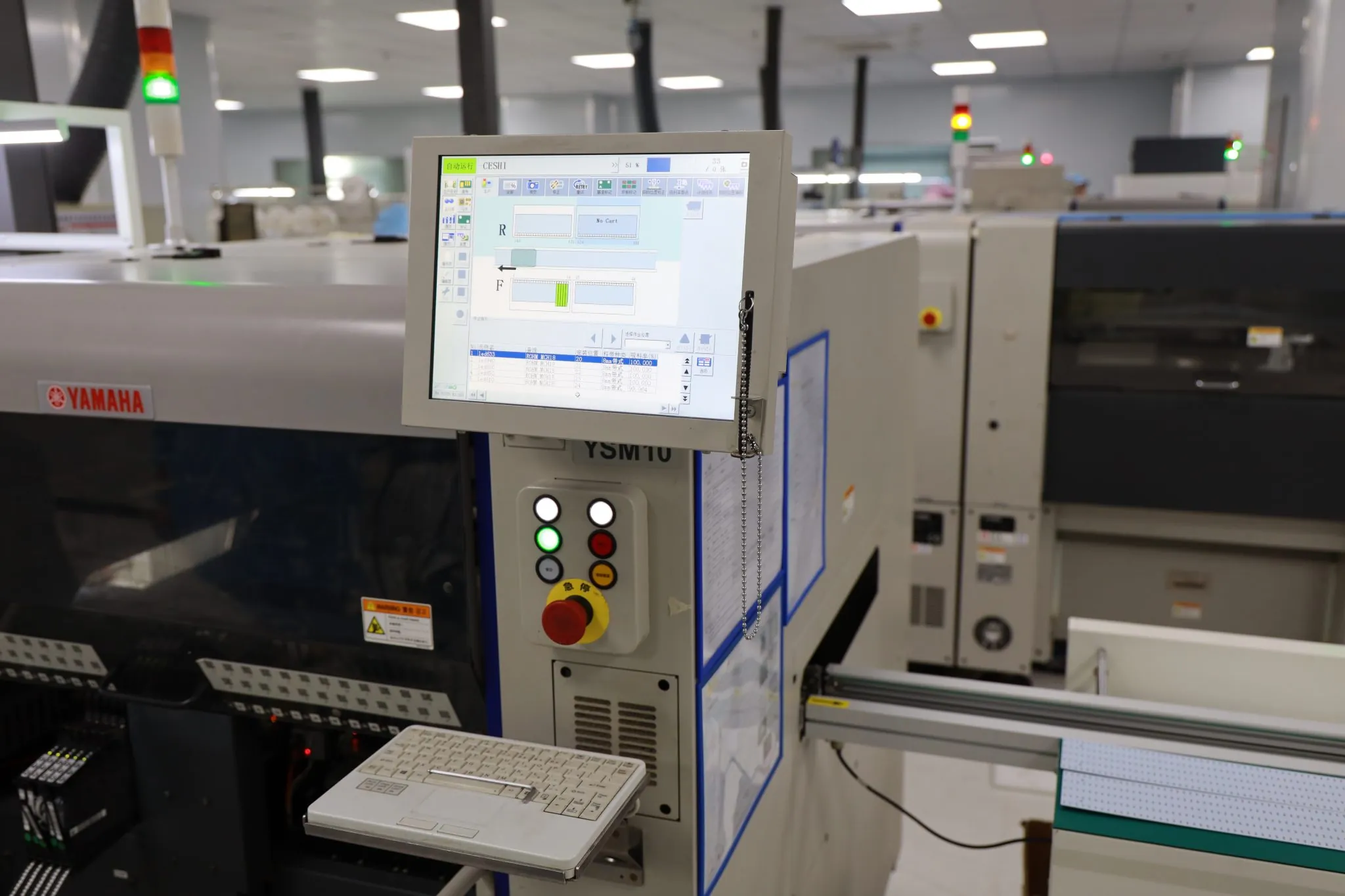
Conclusion — three metrics I use when evaluating red light solutions
Here are three clear evaluation metrics I always use when I test a red light bed or a collagen solution: 1) Irradiance uniformity (is the light evenly delivered?), 2) Wavelength accuracy (does the device hit the therapeutic bands consistently?), and 3) Maintenance and calibration support (can the clinic or user verify performance over time?). Measure these, and you’ll separate real results from well-spoken sales pitches. I hope my firsthand notes help you make better choices — I’d pick rigorous engineering over clever marketing any day. For trustworthy suppliers and further details, I often point people to reliable vendors such as Magique Power.
