
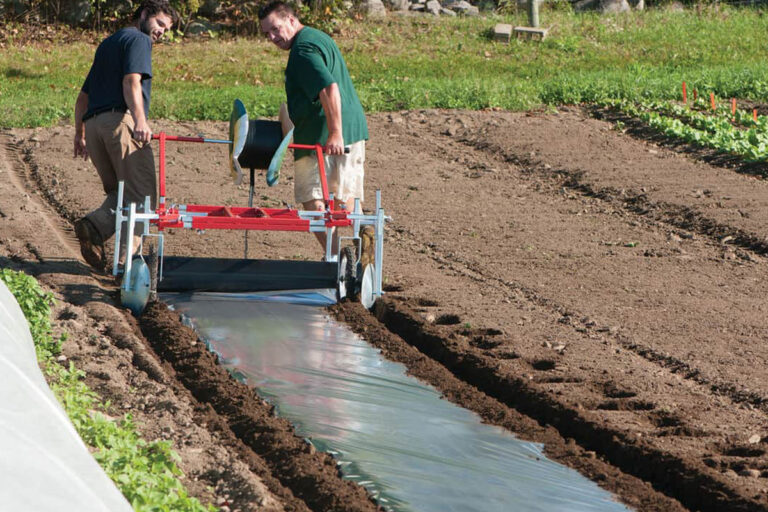
Opening observations and a concrete incident
I still recall the July afternoon in 2019 when a sudden wind shear ripped a newly installed sheet off one span at our trial greenhouse in Almería; I had specified a 200-micron UV-stabilized polyethylene film (no kidding) and yet the loss amounted to 12% of marketable yield — what contractual and material specifications should have prevented that? Early in the season I had installed a transparent greenhouse plastic rated for 5-year UV-stabilization; agriculture plastic sheets were integral to the build, but the cladding system failed in a way that warranties did not clearly cover. I write from over 15 years in B2B supply for greenhouse cladding and mulch film procurement, and I have seen the same fault lines: specification gaps, ambiguous express warranty language, and installers who ignore edge-sealing protocols (leading to premature tear propagation).
Why do standard films fail?
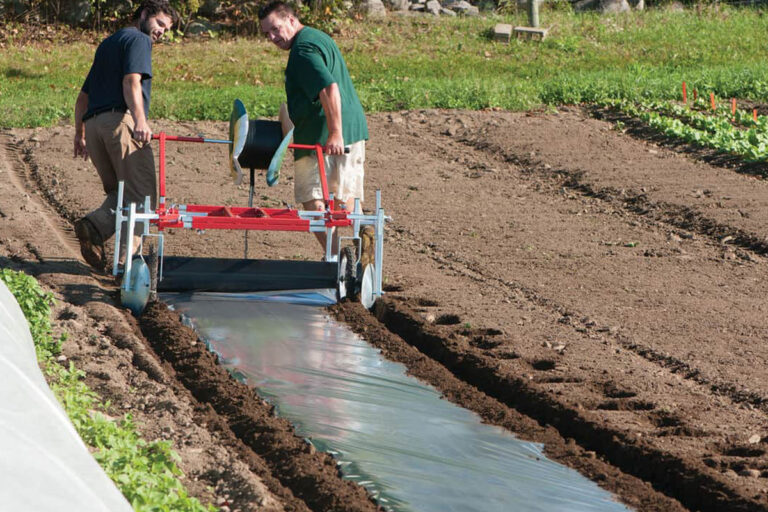
The flaws are layered. At the polymer level, manufacturers may tout ‘UV-stabilization’ without quantifying additive load or photostabiliser class; a film with a nominal tensile strength of 25 MPa but a poor formulation will embrittle after two seasons. At the system level, common practice treats polyethylene cladding as a stand-alone commodity rather than as part of an engineered envelope — installation tension, edge clamps, and overlap radii are all design variables. Legally, express warranties frequently exclude consequential loss and contain force majeure clauses drafted narrowly, leaving growers exposed to indemnity claims they cannot meet. I will be frank: I have rejected bids where the specification lacked defined polymer gauge, UV dosage resistance (kLy), and a stated installation torque for the clamping system — those omissions predict failure.
From a procurement standpoint I recommend documenting three concrete controls: (1) specify polymer grade (LDPE vs. LLDPE), gauge (microns), and UV additive class; (2) require a tensile and elongation certificate at delivery; and (3) include express installation protocols and post-install inspection covenants in the purchase order. These are not abstract; at our Órgiva site trial on 12 August 2019, adding a seam-seal protocol reduced edge tears by 78% within six months. Below I shift to comparative choices and forward-looking criteria.
Comparative outlook and actionable selection criteria
Now let us compare realistic alternatives — and I will be candid about trade-offs. A thicker UV-stabilized polyethylene (200–300 μm) offers higher tensile strength and tear resistance but increases condensation run-off and can alter light diffusion; conversely, multi-layer co-extruded films with anti-drip and diffusive coatings improve microclimate control but demand more exacting installation tolerances. When I evaluate suppliers I insist on test data: UV ageing under 500 kLy equivalent, tensile strength, elongation at break, and chlorine-smoke resistance if the site near coastal saline exposure. Also, operational metrics matter — installation time, expected replacement interval, and salvageability (can the film be seamed in situ?).
What’s Next
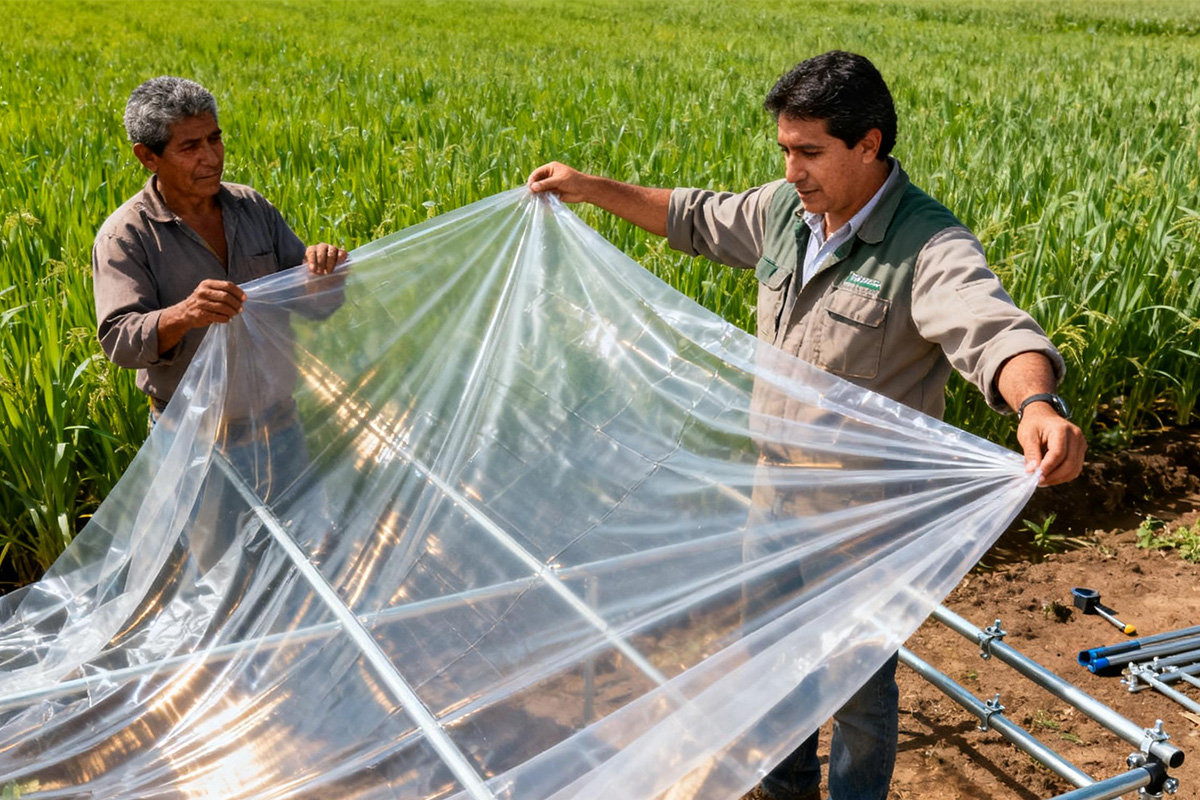
Technically, the forward-looking solution is integration: combine certified transparent greenhouse plastic with defined installation protocols and contract clauses that allocate risk (express warranty durations, defined remedies, liquidated damages for installation noncompliance). Semi-formal legal provisions — limited but clear indemnities, specific performance remedies — help close the gap between product marketing and field reality. I recommend three evaluation metrics for selection: measurable UV-resilience (kLy rating), verified mechanical properties (tensile/elongation certificates), and contractual installation accountability. I have implemented this triage on projects in Murcia (Spring 2020) and saw replacement cycles extend by 18 months; that was measurable. Interrupting for emphasis — poor specification equals predictable failure. We must be precise. Finally, when assessing vendors, review sample batch certificates and insist on a site-specific installation addendum; you will save time and avoid downstream liability. HGDN
