
Comparative lens: why this choice matters for operators
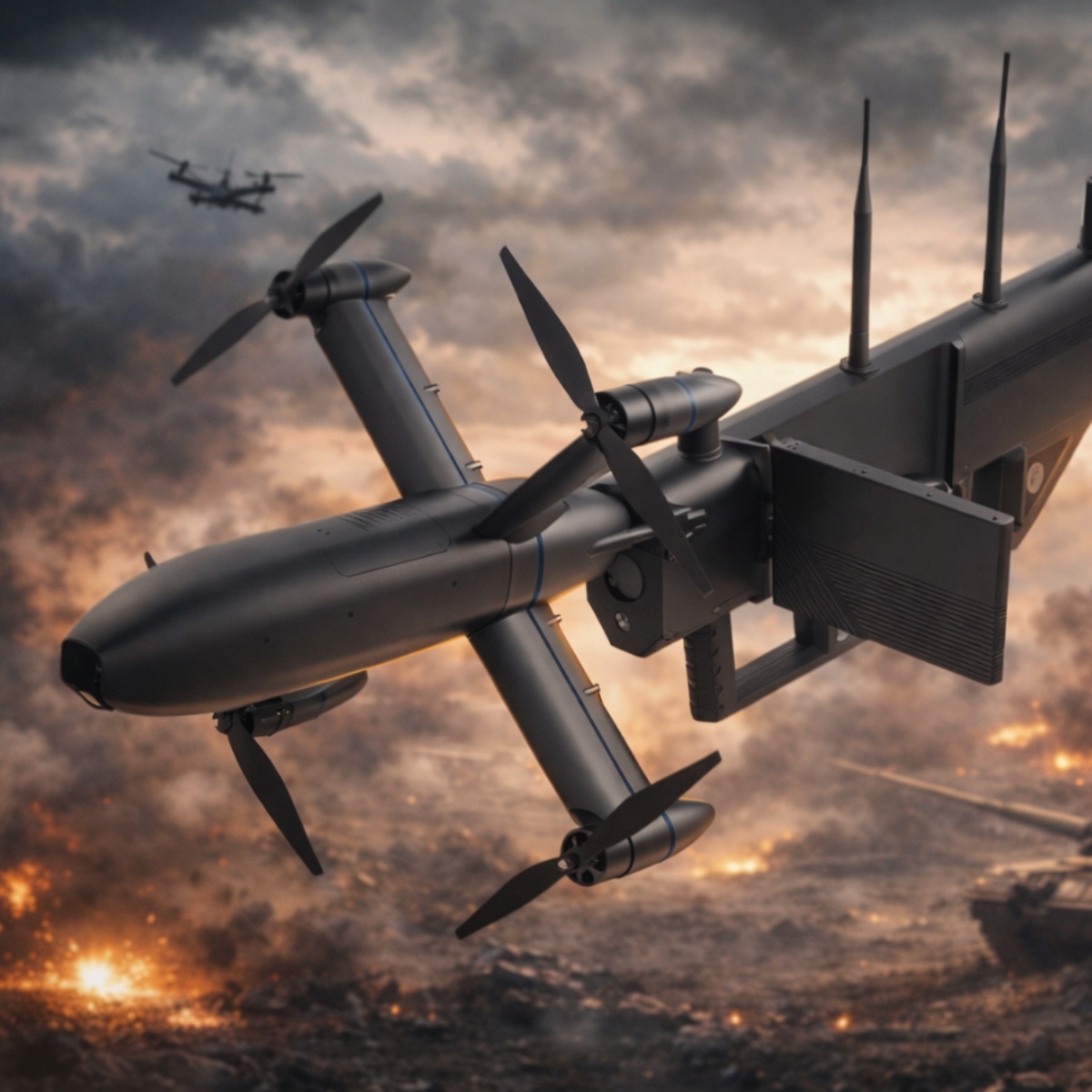
For teams sourcing long-range thermal imaging drones, materials and reliability metrics shape mission success more than glossy specs. I’ll compare carbon fiber composites against common alternatives and weigh mean time between failures (MTBF) as a deciding factor. If you’re outfitting a unit or procurement list, consider how the airframe, payload interface and sustainment requirements interact with what you buy from military supplies.
Carbon fiber composites vs. metal airframes
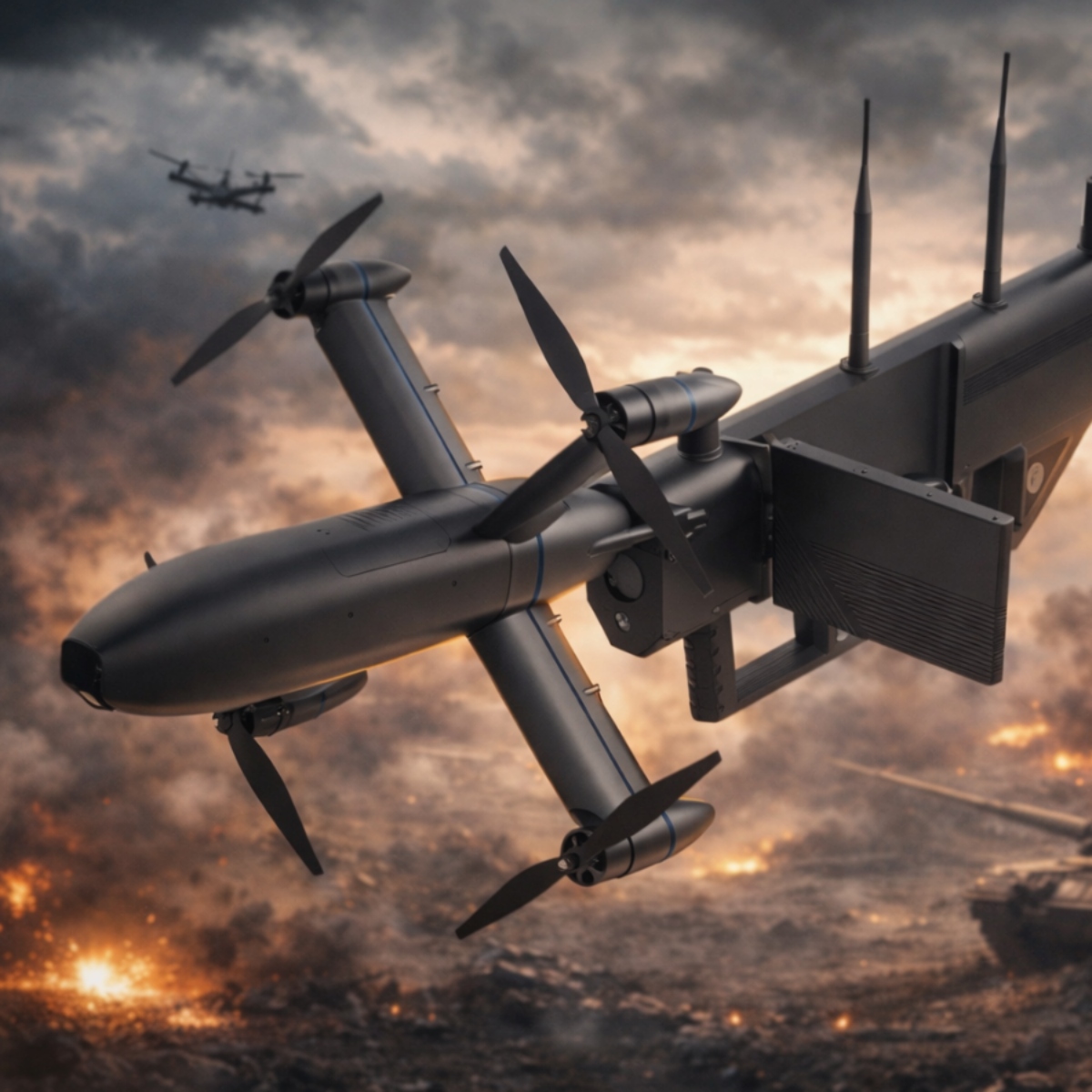
Carbon fiber composites offer clear strength-to-weight advantages: lower empty weight increases useful payload and extends endurance. That directly benefits a thermal imaging payload or EO/IR sensor that needs stable flight time for long-range scans. Aluminum and magnesium alloys are tougher to repair in the field and usually weigh more, which reduces loiter time. On the other hand, metals resist impact differently and sometimes simplify thermal management for onboard electronics. The comparison is pragmatic — not ideological — and depends on what failures you can tolerate in the field.
MTBF: a practical reliability metric
MTBF is not a promise of immortal hardware; it’s a planning tool. Use MTBF to size spare-parts inventories, predict maintenance hours, and budget downtime. A higher MTBF on propulsion motors or gimbal actuators reduces sortie interruptions and training overhead. Pair MTBF targets with environmental testing records — for instance, compliance with MIL-STD-810 procedures helps validate performance under temperature swings, vibration, and salt fog typical of coastal or Arctic deployments. That real-world anchor matters when you deploy to extreme environments.

Payload integration: thermal imager, gimbal and power
Choices in airframe material alter how payloads are mounted and cooled. Carbon fiber frames can be molded with vibration-isolating mounts that protect a sensitive thermal imager and reduce gimbal corrections. But thermal coupling needs design attention; composites can trap heat around batteries or power electronics unless vents or heat paths are planned. Prioritize certified mounts and standardized payload interfaces to lower integration time and avoid field improvisation — a lesson many teams learn the hard way.
Operational trade-offs and common mistakes
Buyers often focus on top-line endurance or camera resolution while underestimating sustainment and repairability. Common errors include choosing a highly integrated platform that forces returns to the OEM for even minor fixes, or assuming carbon fiber equals indestructible. Field repairs are possible but require trained technicians and the right spares. Also, don’t ignore mission logistics: spare motors, gimbal servos, and replacement propellers are where MTBF assumptions meet reality — and where downtime accumulates. — It’s a small step that saves hours later.
Alternatives and complementary approaches
If carbon fiber feels costly or fragile for your operating tempo, consider hybrid designs that mix metal subframes with composite shells; you can get the weight benefits where it counts while keeping repairable structure accessible. For platforms where heat dissipation is key, aluminum heat sinks and open-frame layouts can outperform sealed composites. Evaluate vendor support contracts; good spare-part flow and local repair training often beat marginal gains in endurance.
Advisory: three critical metrics to guide procurement
1) MTBF per critical subsystem: request MTBF values separately for propulsion, gimbal, and sensor modules, then model spare needs against expected sortie rates.
2) Effective endurance with mission payload: measure flight time with the actual thermal imager and communications stack installed, not the base-model figure the vendor cites.
3) Field reparability score: verify whether common repairs require depot-level work, what spares are included, and whether the vendor provides repair training and documentation.
These metrics turn abstract features into operational decisions and align procurement with sustainment capacity. Military Hub often lists both platform specs and support options in the same entry, which helps compare like-for-like quickly.
Final note — concise authority
Choose materials and MTBF targets that match how you’ll operate and maintain the drone; that alignment saves time, money, and mission risk. –
