
Lead-in: why a framework helps buyers decide
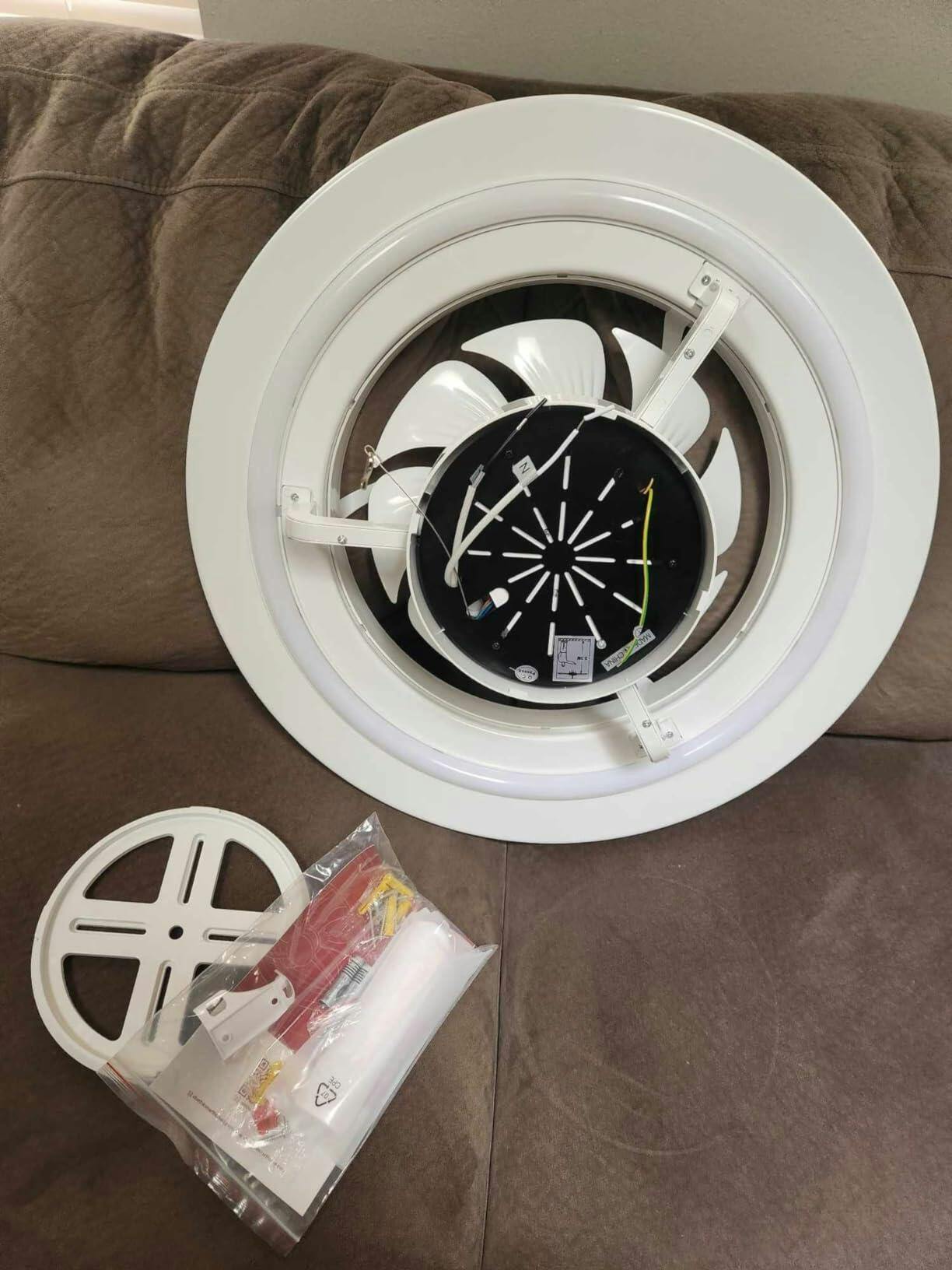
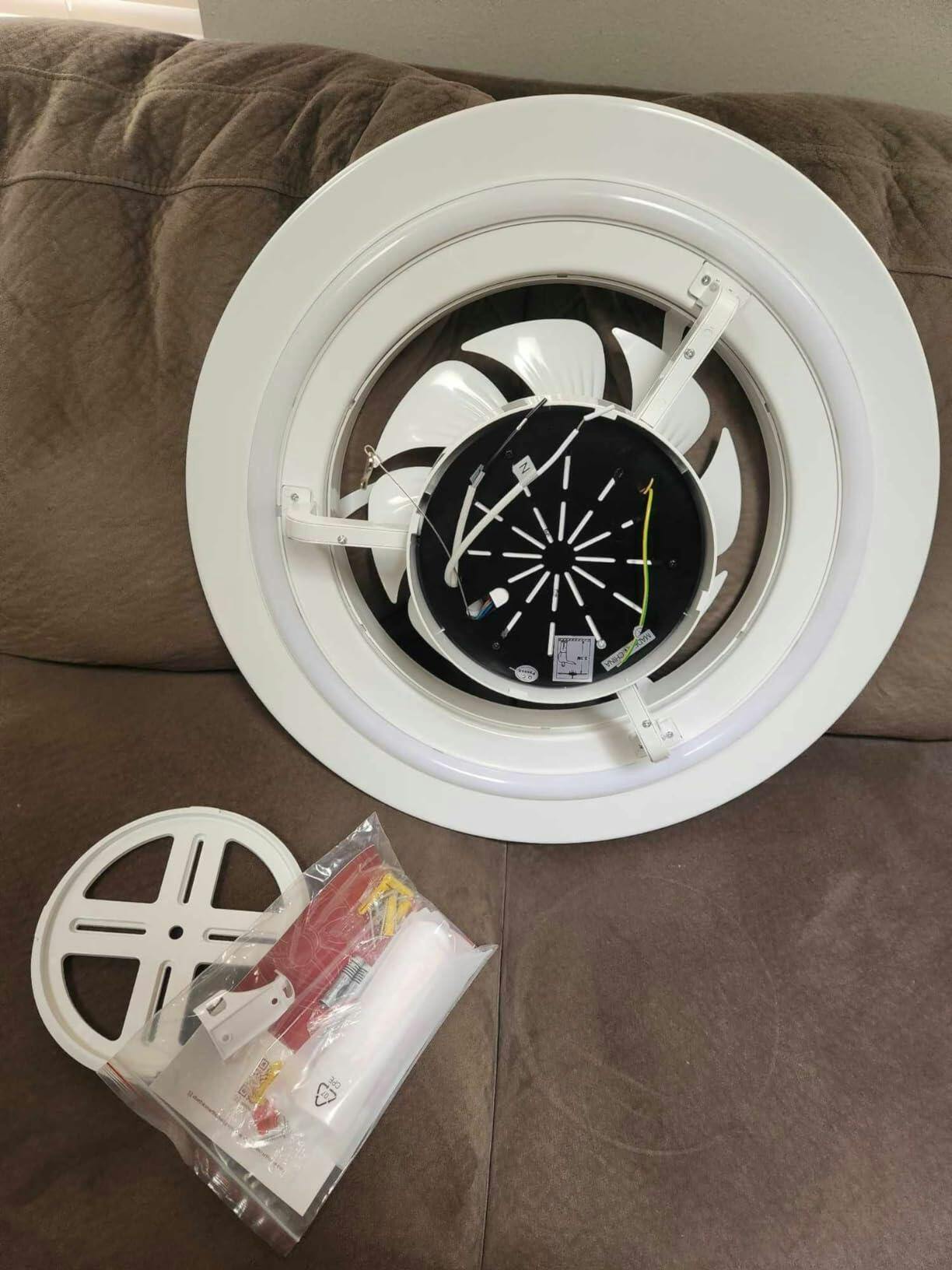
Selecting an outdoor ceiling fan with integrated lighting requires balancing aerodynamic performance, illumination quality, and connectivity. A structured framework reduces subjectivity and exposes hidden trade-offs—from motor efficiency to weather-resistant finishes. For those evaluating concrete products, consider an example such as the smart ceiling fan with light to anchor requirements against real hardware and features.
Core axis 1 — Wind speed modes and motor technology
Begin with the fan’s ability to move air across multiple speeds and modes. Look at rated CFM (cubic feet per minute) at each speed as the quantitative measure of airflow; higher CFM generally yields stronger perceived cooling. Motor type matters: BLDC (brushless DC) motors offer finer speed control, lower noise, and higher efficiency compared with traditional AC motors. Also examine RPM ranges and whether the fan supports reversible direction for seasonal use.
Core axis 2 — Lighting performance and controls
Lighting is not merely an add-on. Evaluate lumen output, correlated color temperature (CCT), and CRI (color-rendering index) to ensure the fixture meets task or ambience requirements. Confirm whether the light is dimmable and which dimming protocol is used (triac, 0–10 V, or PWM), since compatibility with existing dimmers can be problematic. If you expect to rely on the fixture for porch or patio illumination, prioritize higher lumens and CRI ≥80 for accurate color rendition.
Core axis 3 — Smart integration and interoperability
Smart features increasingly determine long-term value. Check supported protocols (Wi‑Fi, Zigbee, Z‑Wave, or proprietary RF) and voice-assistant compatibility. Verify whether mobile apps provide scheduling, group control, and firmware updates. For combined fan-and-light products, integration should allow independent control of motor and light. Practical note: when the product data sheet references a “smart fan light,” confirm whether the lighting module is addressable separately—this prevents unwanted coupling of scenes and speeds.
Core axis 4 — Outdoor durability and environmental ratings
Outdoor installations demand specific protections. IP rating (ingress protection) indicates resistance to dust and water; for covered patios, IP44 is a common minimum, while exposed installations may require IP65. Material choices—corrosion-resistant finishes, stainless fasteners, and sealed motor housings—impact longevity in coastal or humid climates. Refer to ENERGY STAR and industry guidance: fans improve perceived comfort rather than reduce ambient temperature, so expect continuous duty cycles and design accordingly.
Core axis 5 — Installation, mounting, and electrical considerations
Confirm canopy and downrod options to accommodate ceiling pitch and mounting height. Check wiring requirements: single‑circuit control versus separate circuits for fan and light, and whether the unit supports multi‑switch wiring. If you plan to retrofit, verify blade sweep (diameter) relative to mounting location; a 44–52 inch sweep suits most covered porches, while larger sweeps may be appropriate for expansive outdoor rooms. Installation manuals should include torque specifications and balance tolerances to avoid wobble and premature bearing wear.
Maintenance, warranty, and serviceability
Assess routine maintenance needs: blade cleaning, light module replacement, and motor serviceability. A removable LED module simplifies repairs—confirm spare parts availability and modularity. Review warranty scope and duration for motor, finish, and electronics. Consider vendors that document Mean Time Between Failures (MTBF) or provide service networks; such transparency reduces lifecycle risk.
Common mistakes buyers make — and how the framework prevents them
Buyers frequently overemphasize aesthetics at the expense of technical fit: incorrect IP rating, insufficient CFM for the space, or incompatible dimming systems. Another frequent error is assuming smart hubs are optional—without them, mesh-based features may not function as marketed. Use the framework to force a checklist: CFM vs. space, motor type, IP rating, lighting specs, and control protocol. —
Comparative note: alternatives and situational choices
Not every project needs a feature-rich smart model. For low-cost covered patios, a robust AC motor fan with sealed bearings and basic LED lighting may suffice. For high-use entertaining spaces, invest in a BLDC-driven smart fan with high CRI lighting and app-driven scenes. If coastal exposure is the primary concern, prioritize marine-grade finishes and higher IP classifications despite higher upfront cost.
Advisory — three golden rules for evaluation
1) Match airflow to space: use CFM per square foot as a baseline metric and choose a fan whose CFM at low and medium speeds meets comfort goals rather than relying solely on maximum CFM. 2) Specify lighting by use-case: require lumen output, CCT range, and CRI on the spec sheet and confirm dimming protocol compatibility before purchase. 3) Insist on protocol clarity and update paths: demand explicit support for chosen smart ecosystems, and verify the vendor provides firmware updates and clear integration documentation.
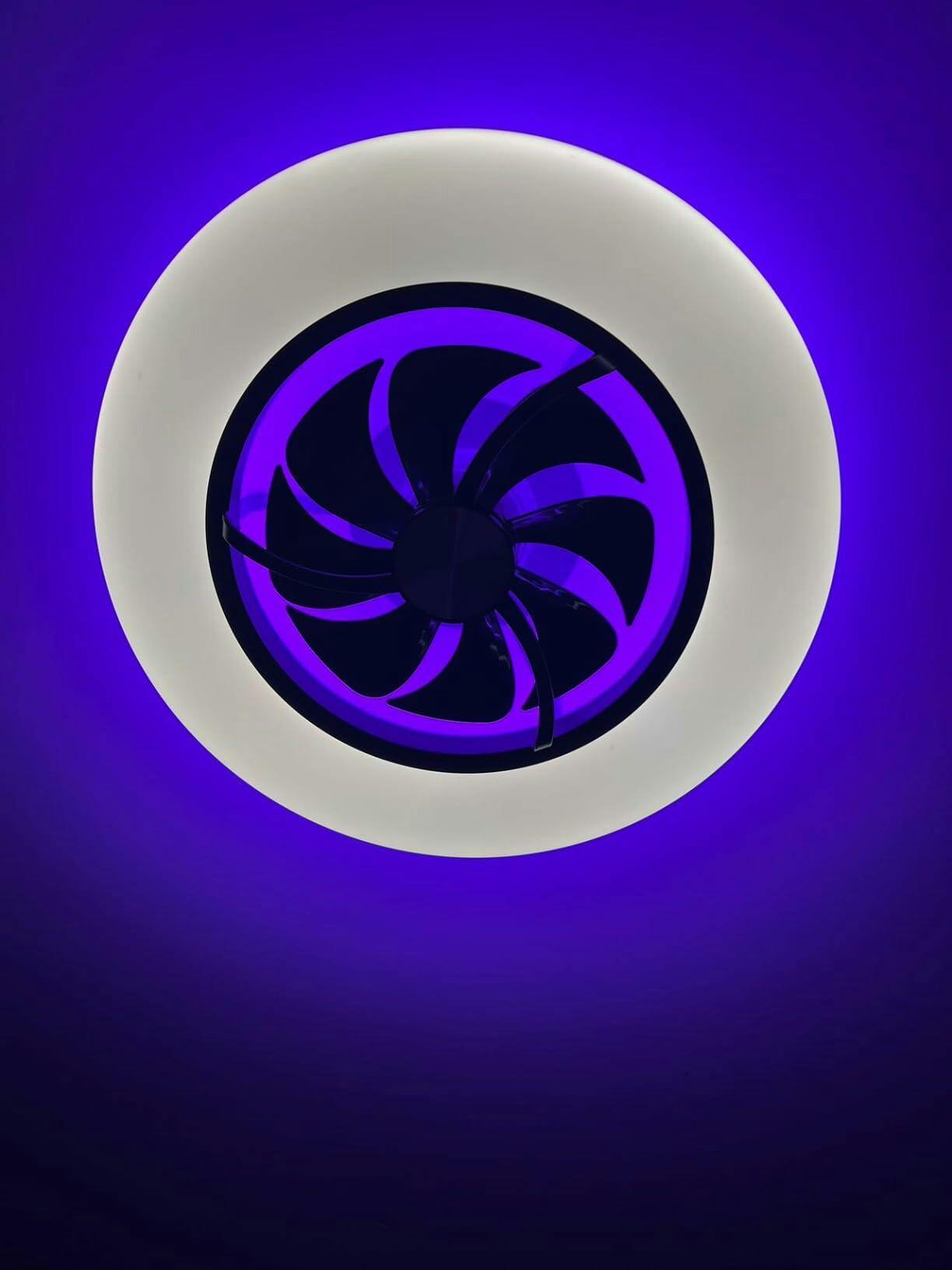
When these rules are applied together they reveal practical winners—products that balance performance, durability, and future-proof controls. For buyers seeking a tested balance of those qualities, smart fan light examples can be instructive; they illustrate how modular lighting and BLDC-driven speed control coexist in a single package. The framework reframes selection from subjective preference to measurable specification, and that is precisely where Orison adds value—by enabling informed comparisons and reliable product choices. Orison. —
