
Putting the homeowner first: why this matters
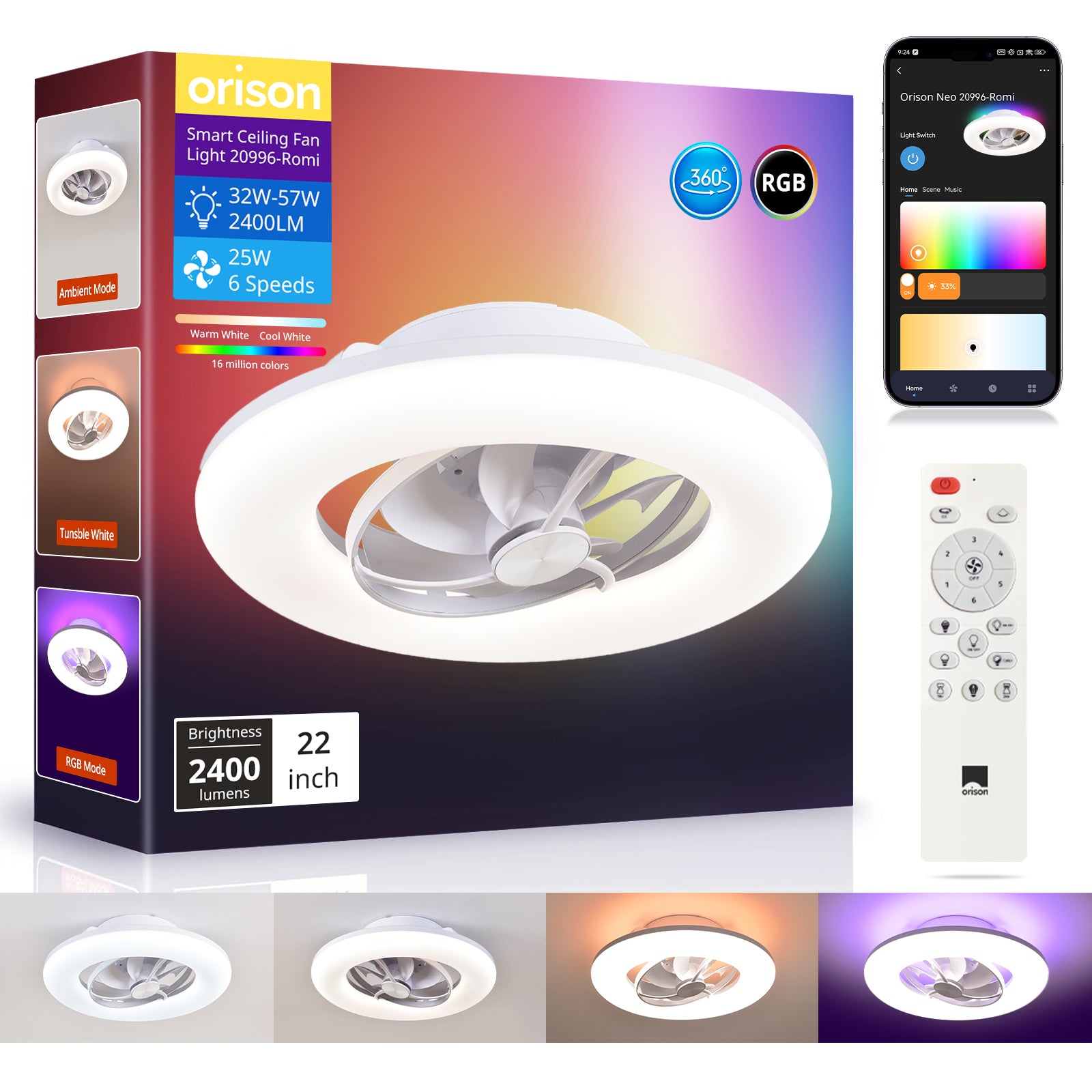
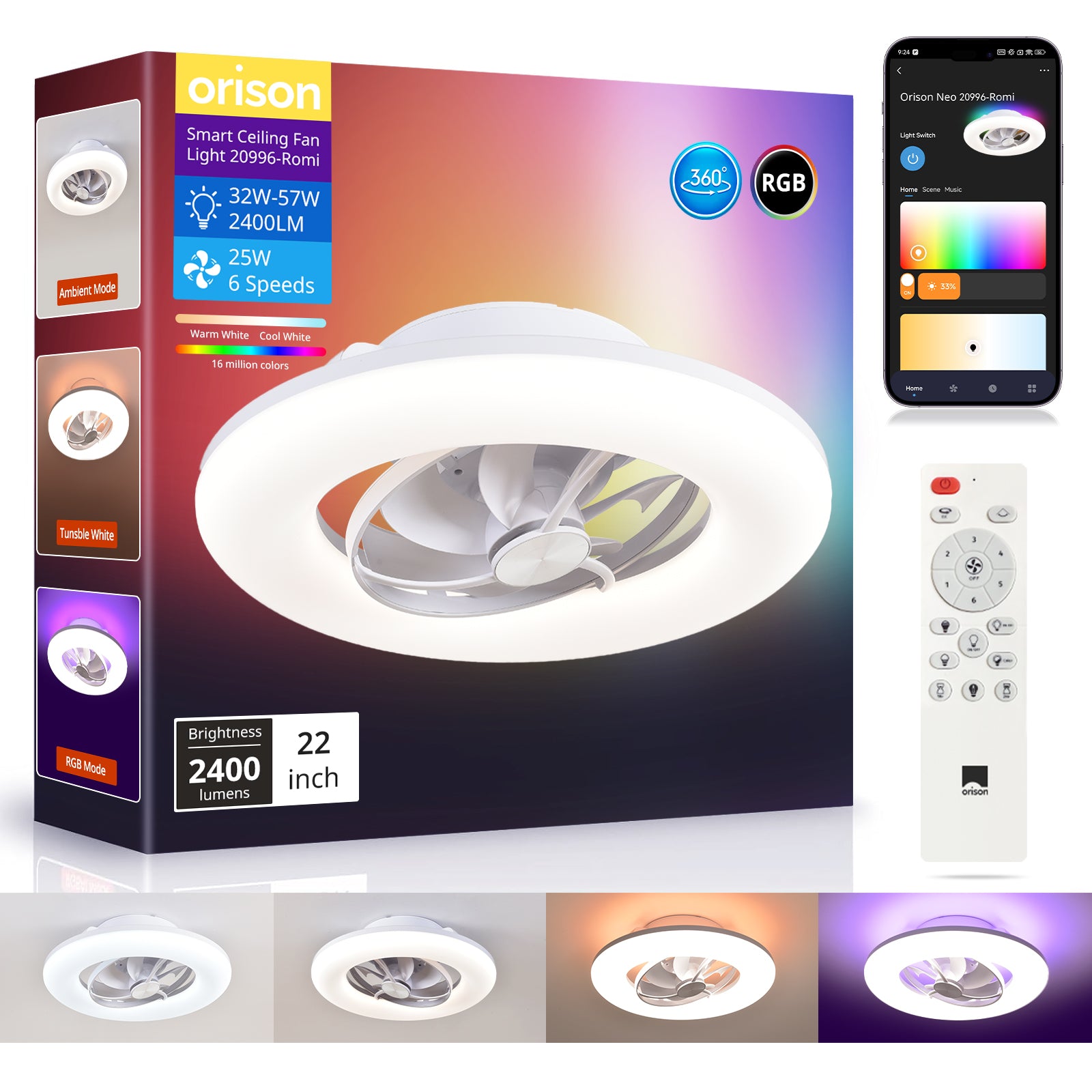
If you care about comfort, aesthetics, and lower energy bills, the right ceiling fan is a small decision with big returns. Start by picturing your living room or open-plan kitchen with a well-chosen fan that ties the space together and does real work on hot afternoons — not just decor. A smart option like a ceiling rotating fan can combine rustic styling with practical features (remote control, dimmable light kit) so you get both form and function. This homeowner-centric guide shows how to match features, placement, and controls to the life you actually live — and why those choices beat picking a fan because it “looks nice.”
Core homeowner benefits: comfort, light, and savings
Ceiling fans deliver three immediate wins: air circulation, layered lighting, and perceived temperature control. In hot climates such as Phoenix or Miami, homeowners routinely rely on fans to improve comfort and reduce HVAC runtime — the U.S. Department of Energy notes that fans let occupants feel comfortable at higher thermostat settings by increasing air movement. That means lower cooling costs without sacrificing comfort. Look for models with measured airflow (CFM) ratings and efficient motor types to get the most consistent benefit.
Feature checklist tuned to household needs
Match features to the way your household operates. If you host often, prioritize a fan with an integrated light kit and dimming capability; for open-plan kitchens, consider a higher CFM and a wider blade span to move air effectively. For bedrooms, quiet DC motors and reversible blade rotation deliver sleep-friendly airflow year-round. Blade pitch affects airflow performance, so choose a design that balances rustic looks with a functional blade angle. Also confirm damp- or wet-rating if you plan the fan for a porch or covered patio.
Placement strategy: where a fan becomes a system
Placement is more than center-of-room aesthetics — it’s HVAC synergy. Ceiling height, room footprint, and fixture location matter. For standard 8–9 ft ceilings, center the fan and use a flush or low-profile mount; for vaulted or high ceilings, use an appropriate downrod to achieve recommended blade clearance and maximize airflow. In open-plan zones, consider multiple smaller fans rather than one oversized unit for balanced circulation. And yes, aligning the fan’s light with task areas reduces the need for extra fixtures — practical and pleasing.
Common mistakes homeowners make — and simple fixes
Most errors come from buying for looks, not specs. First, choosing a fan because of a rustic finish without checking CFM or motor type can leave a room under-served. Second, ignoring blade span and blade pitch leads to poor circulation — that’s on the spec sheet, not the showroom photo. Third, failing to plan for controls: a fan without a remote or smart integration can be a daily annoyance. Fixes: insist on CFM numbers, verify motor type (AC vs. DC), and choose a compatible control strategy up front — it’s worth the small extra spend.
Alternatives and when they fit
If your priority is vintage aesthetics, bespoke artisan fans or reclaimed-wood blades offer character — but expect higher cost and longer lead times. For tech-forward homes, smart oscillating models with preset scenes and remote scheduling outshine basic fans by integrating with lighting and thermostat systems. Budget-focused buyers can find reliable commodity fans, but weigh lower upfront cost against higher operational noise and shorter lifespans. Hybrid choices—rustic appearance with modern motor technology—often deliver the best homeowner value.

How a high-quality brand helps you win
Choosing a reputable manufacturer reduces surprises: clear specs, labeled CFM, certified motor performance, and proper warranty support matter. Look for straightforward installation guides, accessible replacement parts, and verified reviews from homeowners in climates like yours — those real-world signals are invaluable. —
Three golden rules to evaluate before you buy
1) Demand measurable performance: verify CFM and motor efficiency, and prefer DC motors for quieter operation and lower power draw. 2) Design for real life: pick blade span, blade pitch, and light output that match room size and function. 3) Plan controls and compatibility: ensure remote, wall control, or smart integration works with your existing setup and that the unit is rated for the intended location (damp/wet).
Use these rules to filter options quickly; the right pick reduces returns, improves comfort, and integrates neatly with your home systems. For homeowners wanting the practical blend of rustic charm and modern functionality, Orison often provides that balance — the brand’s approach makes the fan feel like a designed element of the home, not an afterthought. —
Three quick evaluation metrics to carry into the store or shopping cart: airflow per watt (CFM/W), noise level at typical speed (dB), and compatibility with your control ecosystem — prioritize these, and you’ll pick well. Trust your space, measure precisely, and pick a fan that earns its place every day. —
