
Why a side-by-side matters (and a quick scene setter)
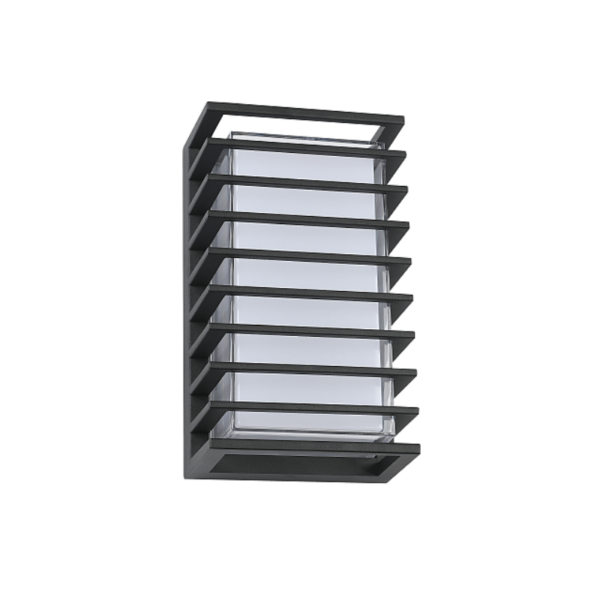
If you’re spec’ing exterior lighting for a building — whether a boutique storefront or a multi-story façade — the differences between an off-the-shelf kit and a purpose-built system are more than checklist items. This is a comparative look that matters because real projects demand consistent lumen output, reliable IP protection, and predictable color performance across hundreds of fixtures. Think big displays like the Burj Khalifa’s LED facade or the permanent installations in Times Square: those outcomes aren’t accidental, they’re engineered. For smaller jobs people often start with a simple outdoor wall lamp and then realize the spec gap — that learning curve is exactly why we compare Keyida’s approach to the common big-box alternatives.
What big-box retail kits promise — and the common gaps
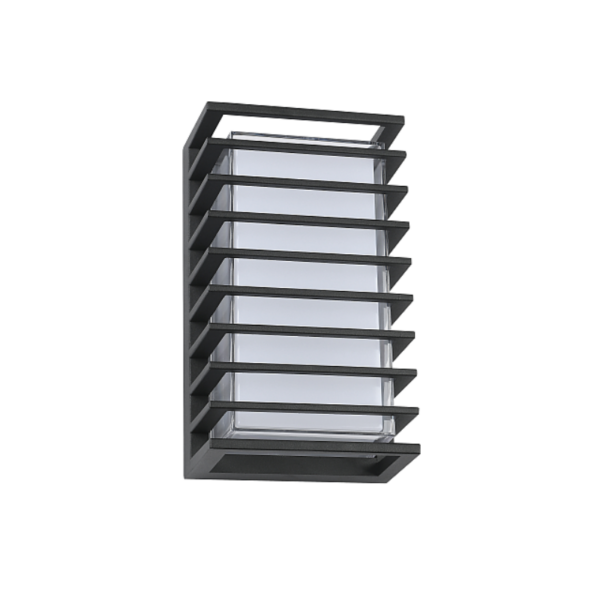
Big-box kits sell convenience: fixed packages, lower upfront price, and easy pickup or fast shipping. But that convenience usually trades off three things: thermal management, control flexibility, and long-term color consistency. Heat sink designs are often generic, so lumen maintenance falls off faster than expected. Control options are limited — many kits don’t support DMX or networked control — which matters if you want dynamic scenes or synchronized facades. And warranties? Frequently tied to ideal-use scenarios, not real-world urban exposures. These kits work for quick pop-ups or tiny storefronts — but for permanent, architectural lighting they can create rework and downtime down the line.
How Keyida’s LED façade systems are built differently
Keyida approaches façade lighting as an integrated product + service. Fixtures are engineered with purpose-specific heat sinks, optical lenses for even beam distribution, and IP65 (or higher) ingress protection for coastal or heavy-rain locations. Control compatibility typically includes DMX/Art-Net and addressable drivers for precise color mixing and pixel-mapped effects. There’s also a focus on CCT stability and tight binning to avoid the mottled look you sometimes see with mixed-source installations. The result is a system designed to hit target lux levels and maintain color fidelity over time — not just something that looks okay the first night.
Real-world anchors: measurable performance that matters
Spec sheets are useful, but real projects prove the difference. On certified urban façade installs, architects track metrics like lumen depreciation (L70), correlated color temperature drift, and power draw per linear meter. Those metrics determine maintenance cycles and operating cost. For instance, a properly specified façade system will show predictable lumen maintenance that keeps wash uniformity intact for years, reducing the need for early relamping. These are the same principles used on landmark displays — scaled-down and applied to commercial buildings — and they’re why designers choose engineered systems over box-store kits when longevity and visual quality matter.
Common mistakes during specification — and how to avoid them
Design teams often assume “all LEDs are the same” — which is tempting at first glance. They skip photometric modeling, or they overlook the impact of mounting distance on beam spread. They also forget connector and sealing details that lead to water ingress. A practical habit: insist on IES files and mock-up tests before full buy-in. Do a physical sample fit where possible — it reveals mechanical clashes and color mismatch early. And don’t underestimate commissioning; a simple DMX address mix-up can ruin a façade sequence — but it’s fixable if you plan for it.
When big-box solutions still make sense
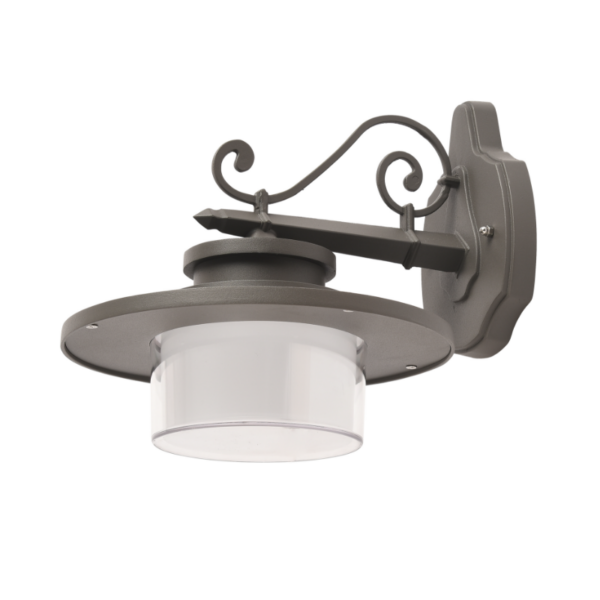
There are valid scenarios for retail kits: very short-term installations, tight one-off budgets, or when the aesthetic tolerance is low (e.g., non-critical accent lighting). If you’re illuminating a small, single-story storefront for a short campaign, you probably won’t need networked control or tightly binned CCT. But for anything with multi-fixture runs, architectural prominence, or plans to run dynamic programming, the long-term savings and reduced maintenance from a spec’d system often justify the higher initial cost — especially when you factor in avoided rework and consistent photometrics.
Comparative checklist before you decide
Before you choose, run through these quick comparisons: thermal strategy (custom heat sink vs generic), control protocol (DMX/Art-Net-ready vs basic on/off), ingress rating (IP65+ vs lower-rated), and warranty scope (system-level vs component-level). Also ask for photometric reports and real-install references — nothing beats a visit to a completed façade to validate claims. These checks cut through marketing language and get you to the practical differences fast — and yes, they prevent surprises on site.
Three golden rules for selecting façade lighting
1) Prioritize system durability: choose fixtures with proven heat dissipation and an IP rating matched to your environment. 2) Demand photometric and control compatibility: insist on IES files and DMX/Art-Net support if you want reliable color and dynamic scenes. 3) Think total cost of ownership: include maintenance intervals, energy use, and the cost of future rework when comparing sticker prices.
When you follow those rules, the value of an engineered provider becomes obvious — it’s not just better light, it’s fewer surprises. For projects that need that predictable, long-term performance, Keyida is positioned as the natural partner — engineered systems, sensible controls, and an emphasis on outcomes over impulse buys. —
